
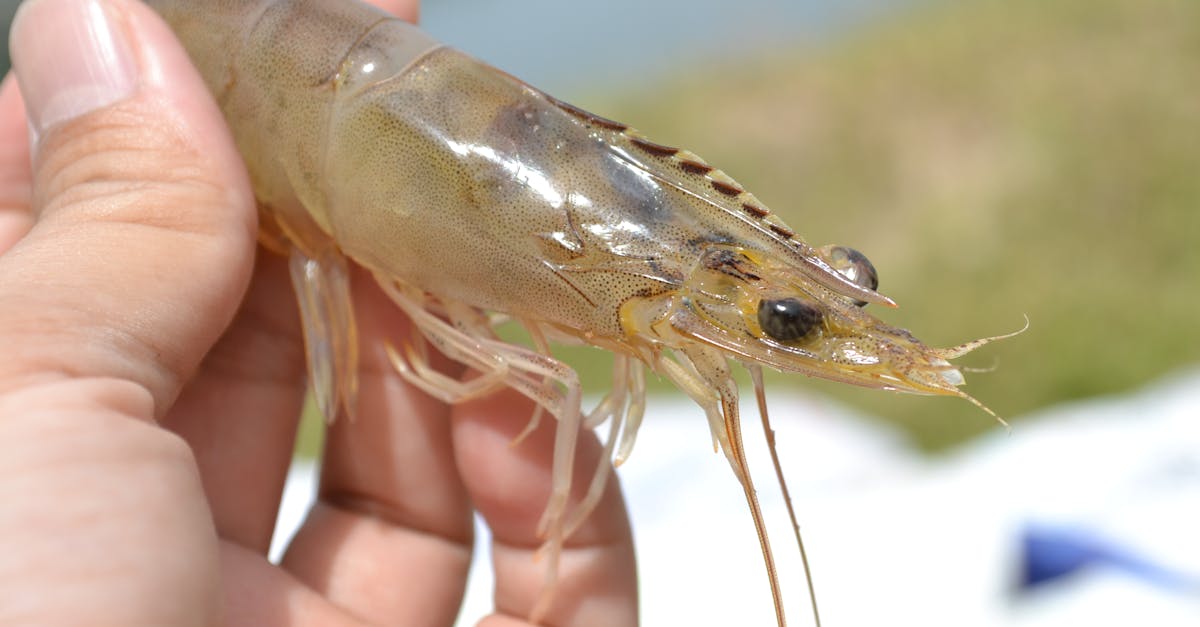
Vannamei (Pacific white shrimp, Penaeus vannamei) is farmed only on the coast or in brackish and saline water, mainly in Andhra Pradesh and eight other coastal states, and it needs registration with the Coastal Aquaculture Authority (CAA), SPF seed from approved hatcheries, aerators and a lot of working capital. It is India's biggest seafood export crop, but a single disease outbreak or price fall can wipe out a crop, so it is not a beginner's venture.
Detailed cost and yield models (such as NABARD's) were not available for this page. Ask the state fisheries department, MPEDA or the nearest ICAR-CIBA centre for a current budget before you commit money.
Size of the industry and where it is farmed
- CIBA's Vanami Shrimpapp material gives about 60,000 hectares under vannamei in nine coastal states, about 3.6 lakh tonnes of production and about 1.5 lakh farm families, mostly small-scale farmers.
- In 2024-25 India exported 1,698,170 tonnes of seafood worth ₹62,408 crore (US$7.45 billion). Frozen shrimp was the top item at ₹43,334 crore, 741,529 tonnes, which is 43.67% of export quantity and 69.46% of dollar earnings (MPEDA).
- The USA took 311,948 tonnes of frozen shrimp and China 136,164 tonnes, so farm-gate prices depend on a few overseas markets. MPEDA lists Andhra Pradesh, Gujarat, Kerala, Tamil Nadu, Maharashtra, Karnataka, Odisha and West Bengal among the seafood-producing states.
- Vannamei took over after 2010 as white spot problems hit the native black tiger shrimp (CIBA).
Legal requirements
- The CAA Act, 2005 covers coastal areas within 2 km of the high tide line of the sea, rivers, creeks and backwaters, and bars coastal aquaculture within 200 m of the high tide line.
- Registration: the farm must be registered with the CAA first (through the district and state-level committees). To culture SPF L. vannamei you then apply to the CAA with a processing fee of ₹500 per hectare of water-spread area, as stated in its public notice, and permission is granted only after inspection by a CAA committee.
- The CAA application asks for farm registration number and water source, stocking density and seed per crop, hatchery tie-up, feed source, aerators, water exchange system, effluent treatment (including a common ETS for farm clusters), disease contingency plan, use of antibiotics or probiotics, marketing or processing tie-up, training received and farm records. Prepare these before applying; fees and rules change, so check the CAA site.
- Seed: only SPF vannamei post-larvae produced by hatcheries permitted by the CAA to import broodstock may be sold to CAA-approved farms.
Production practice
- Stocking density: a Kerala study in semi-intensive ponds tested 15 to 60 shrimp per square metre over 120 days. Higher densities need more aeration and carry higher disease risk. The CAA sets its own limit, so confirm the current cap in your permission.
- Pond and water: dry and prepare the pond, fill through a filter and build a natural plankton bloom before stocking. Plankton and water colour are central to vannamei pond management (Kerala study). See ICAR-CIBA soil and water quality material for limits on salinity, pH, oxygen and ammonia.
- Feed: feed is the largest running cost in shrimp culture; use a quality feed and feeding trays, and record feed and growth daily. Ask your fisheries officer for the current feed brands approved in your state.
- Crop length: the crops in the Kerala study ran for 120 days; confirm the harvest size and timing your buyer wants.
- Disease: CIBA records that intensive vannamei farming has brought emerging problems such as running mortality syndrome, early mortality syndrome and Enterocytozoon hepatopenaei (EHP). Use tested SPF seed, bio-secure water intake, bird fencing and crop-by-crop pond cleaning.
💡 Tip: Before you buy seed, get the hatchery's PCR test report for white spot and EHP in writing, and keep your own pond records. They also help the CAA and the processor.
Cost and returns
- Cost of production depends mainly on seed, feed, electricity or diesel for aerators, pond lease and labour. No verified current per-hectare budget was available, and the figure swings with feed price, survival and harvest size.
- Formula: gross income = harvested tonnes x farm-gate price per kg for the size count. Per hectare, 10 tonnes at ₹250 per kg is ₹25 lakh; at ₹200 per kg ₹20 lakh. These are an illustration of the arithmetic, not a forecast: replace the price with today's price from a processor or your fisheries office, and subtract your own costs.
- A crop that fails by disease at day 40 to 60 usually recovers little of the feed and seed already spent, so keep reserves for one lost crop.
- For finance, ask a bank about aquaculture loans and see KCC for fishery cover. Check subsidy eligibility with the state fisheries department or subsidy finder; no current rate was verified here.
Market and risks
- Shrimp is sold to processors and exporters, who set prices by size count. Delivery arrangement, payment time and testing for antibiotic residues should be agreed before harvest.
- Risks: disease, power cuts, cyclones and floods on the coast, price swings tied to the USA and China as the two biggest buyers, and rising feed costs.
- Do not accept offers of "guaranteed" returns, or seed without a test report. For group marketing see FPO, and for buyers see export buyers.
Sources
- MPEDA press release, India's seafood exports FY 2024-25
- Coastal Aquaculture Authority, public notice and application format for SPF L. vannamei culture
- Coastal Aquaculture Authority, FAQ and registration
- ICAR-CIBA, shrimp farming article on vannamei disease problems
- BioVoice News, CIBA Vanami Shrimpapp (area and production figures quoted from CIBA)
- Fishery Technology (ICAR), pond watercolor, plankton and production of vannamei in Kerala at 15 to 60 per m2