
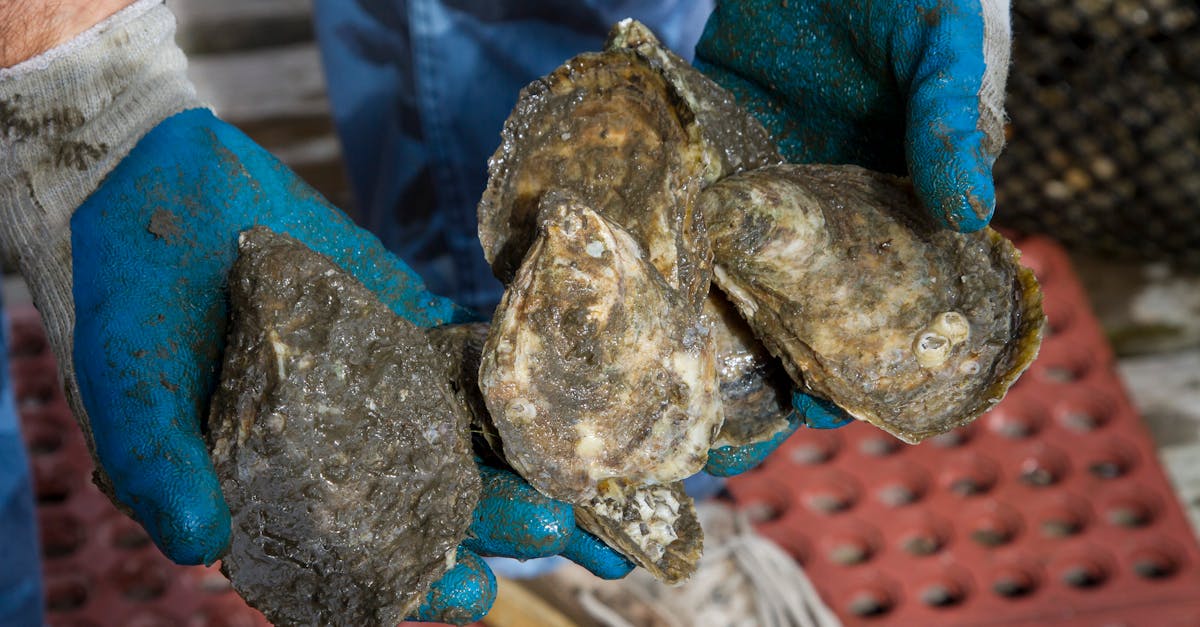
Freshwater pearl farming is technically proven in India, with a method standardised by ICAR-CIFA (Bhubaneswar) using the native pond mussel Lamellidens marginalis, but it works only for people who learn the implantation surgery, can keep a clean pond or tanks, and have a buyer for modest-quality pearls. The mussels are grown for 12 to 18 months after implantation, and the pearl cannot be harvested without killing the mussel.
Published ICAR work describes pearl farming as a profitable business but also names the real limits in India: few trained farmers, no organised market, scattered supply of mussels and a weak extension network. Treat income figures from promotions as unproven and start small.
What is grown and where
- Species: about 52 freshwater mussel species occur in India. The most used for pearls are Lamellidens marginalis, Parreysia corrugata and Lamellidens corrianus, found in the north-east, west, centre and south. L. marginalis, which lives in still or slow-flowing ponds and reservoirs, is the main species for culture.
- Technology source: ICAR-CIFA began research in 1987 and trains entrepreneurs at Kausalyaganga, Bhubaneswar. Breeding of L. marginalis in hatcheries is still under development, so seed mussels are not available from a hatchery.
- Mussel stock: mussels take 6 to 10 years to reach implantable size, so stock is picked by hand from ponds and rivers. Healthy mussels of about 8 cm length and 35 g weight are selected for surgery. Check that collecting from local water bodies is allowed with your state fisheries department.
Site and water
- Pond depth of 1.5 to 2.0 m with a clay bottom, slightly alkaline water, and no heavy weeds or algal blooms such as Microcystis and Euglena. Water must be pollution free and not very turbid, because muddy water reduces how much the mussels filter.
- CIFA's water quality targets for culture: transparency 40 to 60 cm, pH 7.0 to 8.0, temperature 25 to 30 °C, dissolved oxygen 4 to 8 ppm, calcium 20 to 30 ppm, ammonia below 0.004 ppm.
- Mussels eat green algae, with Chlorella the preferred food. A sudden rise or fall in temperature can cause heavy deaths.
- FRP or ferro-cement tanks can be used when no pond is available, with regular water exchange and constant aeration.
Process step by step
| Stage | What is done (ICAR-CIFA method) |
|---|---|
| Pre-operative care | Mussels are kept crowded for 24 to 36 hours in aged tap water at 1 mussel per litre so the shell relaxes and opens |
| Implantation | A nucleus of acrylic or shell powder, usually with a graft of mantle tissue from a donor mussel, is placed by mantle cavity, mantle tissue or gonadal method, depending on whether the target is designer, round or rice pearl. Graft must be used within 45 minutes to 1 hour. Surgery is done all year except May and June |
| Post-operative care | 7 to 10 days in tanks with green algae feed and vigorous aeration; antibiotic at 1 to 2 ppm after surgery, then water exchange after 24 hours |
| Culture | Mussels hang in nylon bags (30 x 13 cm, 1.5 cm mesh) from bamboo rafts, 2 per bag. CIFA's pond density is 25,000 mussels per acre. Culture period is 12 to 18 months depending on method |
| Harvest | Mussels are opened, pearls are graded by size, lustre, texture and colour, then given value addition. The mussel does not survive |
- Success rate: CIFA gives 60 to 70% for mantle cavity and mantle tissue implantation and only 25 to 30% for the gonadal method. Newcomers often get far lower, because implantation skill and post-operative care decide survival.
- Mantle cavity implantation is the simplest and needs the least skill; the others take trained hands.
💡 Tip: Attend the ICAR-CIFA pearl culture training before buying any mussels or beads, and ask them for the current fee and batch dates. Practise on a small batch of 200 to 500 mussels and track survival before scaling.
Cost and returns
- Cost (secondary source): a finance-company guide estimates ₹42,000 to ₹83,000 for a starter unit of 1,000 mussels, including mussels (₹3,000 to ₹8,000), nuclei (₹2,000 to ₹5,000), pond preparation (₹10,000 to ₹20,000), nets and hardware (₹5,000 to ₹10,000), feed and upkeep (₹15,000 to ₹30,000) and training (₹2,000 to ₹5,000). These are estimates, not audited figures.
- Pearl count (illustration): CIFA-style surgery places 2 nuclei per mussel. For 1,000 mussels that is 2,000 nuclei; at 60% survival about 1,200 pearls, at 30% survival about 600. Not every pearl is saleable, and many are low grade.
- Price: the same finance guide shows scenarios of ₹200, ₹600 and ₹1,200 per pearl, but no verified Indian market price series for cultured freshwater pearls was found. Test the market with a few graded pearls before assuming any figure.
- Arithmetic: 600 pearls x ₹200 = ₹1.2 lakh at the low end; 1,200 pearls x ₹600 = ₹7.2 lakh at the optimistic end, both before deducting the cost above and before removing unsaleable pearls. Revenue arrives only after 12 to 18 months, so working capital must last that long.
Market and risks
- ICAR names a lack of an organised sector and limited marketing networks as main constraints. Likely buyers are jewellery makers, bead and designer pearl traders and craft units; line one up before you implant.
- Risks: deaths after surgery, nuclei rejected, algal blooms, temperature swings, and wild mussel supply. Avoid sellers who offer kits with a fixed buy-back or promise lakhs per month; there is no published Indian evidence for such returns.
- Support: state fisheries departments offer schemes for freshwater aquaculture; ask your district fisheries office whether pearl culture is covered and at what rate before counting on any subsidy. See the subsidy finder, Kisan Credit Card for working capital, and FPO for group marketing.