
Buying a Tractor in India - The Complete 2026 Guide
A tractor is the biggest single investment most farmers make, so choosing the right one matters as much as the price you pay. India is the world's largest tractor market, with well over nine lakh units sold every year, and Mahindra leads with roughly 40% market share, followed by Sonalika, TAFE (Massey Ferguson), Escorts (Farmtrac and Powertrac), John Deere and others. With so many brands and models, the smart approach is to start from your land size and the work you do, then match the horsepower, then compare brands and finally arrange finance and subsidy. This guide walks through each step so you buy a tractor that fits your farm and your budget, not just the one with the loudest advertisement.
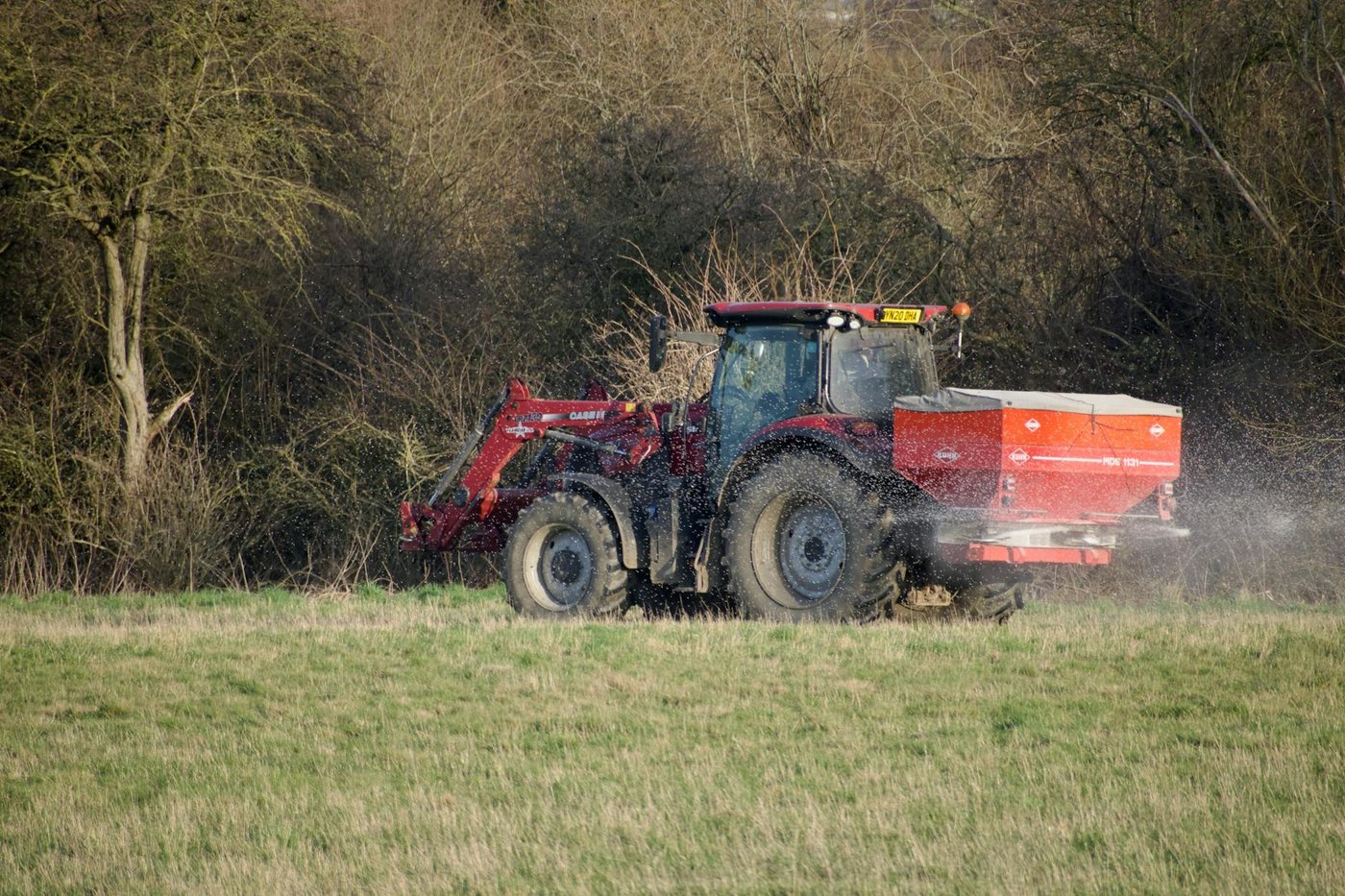
How to Choose the Right Tractor for Your Farm
The single most important decision is horsepower (HP), and the right HP follows your land size and your heaviest job. Buying too little power means a tractor that struggles with a rotavator or a loaded trailer; buying too much wastes money and diesel. As a practical guide:
- Farm under 5 acres: a 25-35 HP tractor handles ploughing, transport and irrigation efficiently and sips diesel. Indicative cost around 3-5 lakh.
- Farm of 5-15 acres: a 40-55 HP tractor is the all-rounder that runs every common implement. Indicative cost around 5-9 lakh.
- Farm above 15 acres: a 55-75 HP tractor gives the speed and pulling power for heavy tillage and large fields. Indicative cost around 9-15 lakh.
- Custom hiring / commercial use: 65 HP and above pays for itself if you rent the tractor out or run heavy implements daily.
Prices above are broad ranges only and change with model, state taxes and dealer margins, so always get a current on-road quote before deciding. Use the on-road price calculator for your state and find authorised tractor dealers by district.
Match the Tractor to Your Implements and Crops
Power alone is not enough; the tractor must suit the work. For paddy and wet fields, a 4WD or higher-clearance tractor with good lift capacity makes puddling and transplanting far easier, which is why 4WD is popular in Punjab, West Bengal and Odisha. For orchards, vineyards and narrow rows, a compact or narrow tractor protects your crop. For heavy tillage with a rotavator, cultivator or reversible plough, check the PTO power and hydraulic lift capacity, not just engine HP, because those decide what the tractor can actually pull and lift. If you mainly haul produce and do light cultivation, a fuel-efficient 35-45 HP model is usually the sweet spot.
Key Things to Check Before You Buy
- PTO horsepower and hydraulic lift capacity - these decide real working ability more than engine HP alone.
- 2WD vs 4WD - 4WD costs more but earns its keep in wet fields, hilly land and with heavy implements.
- Fuel efficiency and service network - a nearby authorised dealer and easy spares matter for years, not just at purchase.
- Resale value - strong brands like Mahindra, Swaraj and John Deere hold value well, which lowers your real cost of ownership.
- Warranty and finance terms - compare the full on-road price and the loan, not just the ex-showroom figure.
New vs Used Tractor - Which Makes Sense?
A new tractor brings a warranty, the latest features and full finance and subsidy eligibility, but loses value the moment it leaves the showroom. A good used tractor can save 40-70% and is ideal for a first tractor, a second machine or a tight budget, provided you check engine hours, service history, hydraulics and tyres carefully and complete the RC transfer. Many farmers buy new for daily heavy use and used for backup or seasonal work. The best time to buy used is usually post-harvest, when more sellers list and prices soften.
Tractor Loan and Subsidy
You rarely need to pay the full amount upfront. A tractor loan from a bank typically covers up to 90% of the price. Lenders that publish a rate start at about 9% to 12%, and finance companies usually charge more but ask for fewer documents. On top of that, the Sub-Mission on Agricultural Mechanization (SMAM) offers a tractor subsidy of up to 50% for SC/ST, women and small or marginal farmers, and around 40% for the general category, applied through your state agriculture-machinery portal. Use our EMI calculator to size the loan, and a Kisan Credit Card can help fund running costs. Always confirm current subsidy rules on the official portal or the Subsidy Finder.
Running Cost and Maintenance
The purchase price is only the start; diesel, servicing, tyres and implements make up the real cost of owning a tractor. Service at the recommended hours, keep the air and oil filters clean (dusty Indian conditions clog them fast), check tyre pressure, and use genuine parts to protect resale value. A well-maintained tractor easily lasts well over a decade and holds a strong second-hand price, so good upkeep is part of getting your money back.
Browse Tractors by Brand
Compare the leading brands and their popular models on the brand pages above, from Mahindra and Swaraj to Sonalika, John Deere, Massey Ferguson (TAFE) and more. Want a free, no-pressure on-road price quote, a demo, or help arranging a loan and subsidy? Use the brand pages or submit an enquiry and we will connect you with an authorised dealer near you.