
Organic fertilizer is plant nutrition made from natural sources - plant residues, animal manure and minerals - instead of synthetic chemicals. It feeds the crop and the soil together, releasing nutrients slowly while building soil organic carbon and the microbial life that keeps land fertile season after season. For Indian farmers moving towards lower-cost, sustainable and chemical-free agriculture, organic fertilizer is the foundation - and this guide covers every practical question: the types, the benefits, the honest trade-offs, how much to use, how to apply it, and the government support available.
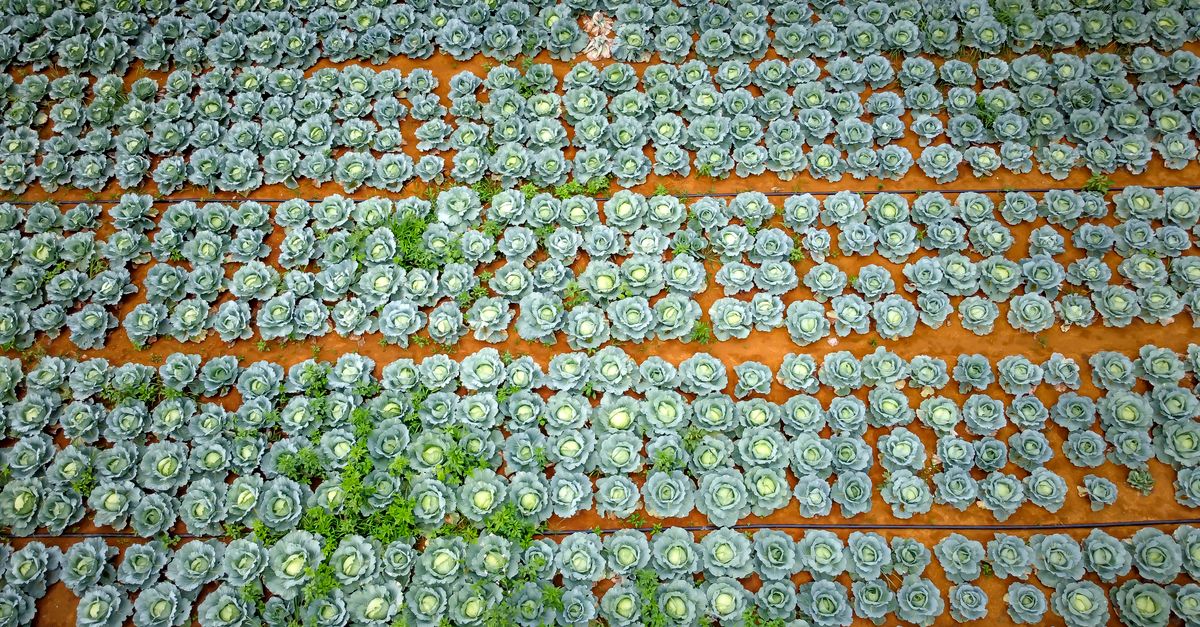
What Is Organic Fertilizer?
Unlike a chemical fertilizer such as urea or DAP, which delivers a concentrated dose of a single nutrient, an organic fertilizer is a whole-food for the soil. It is made from things that were once living or are naturally occurring - cattle dung, crop stubble, kitchen and farm waste, oil-seed cakes, bone meal, rock minerals, and even colonies of beneficial microbes. As soil organisms break this material down, nutrients are released gradually in a form plants can use, while the leftover humus improves the soil's structure, water-holding capacity and biological life. In short, chemical fertilizer feeds the plant; organic fertilizer feeds the soil that feeds the plant.
Main Types of Organic Fertilizer
"Organic fertilizer" is really a family of inputs, each with a different strength. The main ones used on Indian farms are:
- Farmyard manure (FYM) & compost: well-decomposed cattle dung mixed with crop and kitchen waste - the cheapest, most widely available everyday soil builder.
- Vermicompost: compost processed by earthworms, finer, richer and more uniform than ordinary compost; easy to make on-farm or buy.
- Green manure: fast-growing crops like dhaincha (Sesbania) or sunhemp grown in the off-season and ploughed back in to add free nitrogen and organic matter.
- Oil cakes: neem, mustard and castor cake - concentrated nutrient sources; neem cake also suppresses some soil pests and nematodes.
- Bone meal & rock phosphate: slow-release phosphorus from natural minerals, useful on phosphorus-poor soils.
- Biofertilizers: living microbes that fix or unlock nutrients - Rhizobium for pulses, Azotobacter and Azospirillum for nitrogen, and PSB for phosphorus - applied cheaply as a seed or soil treatment.
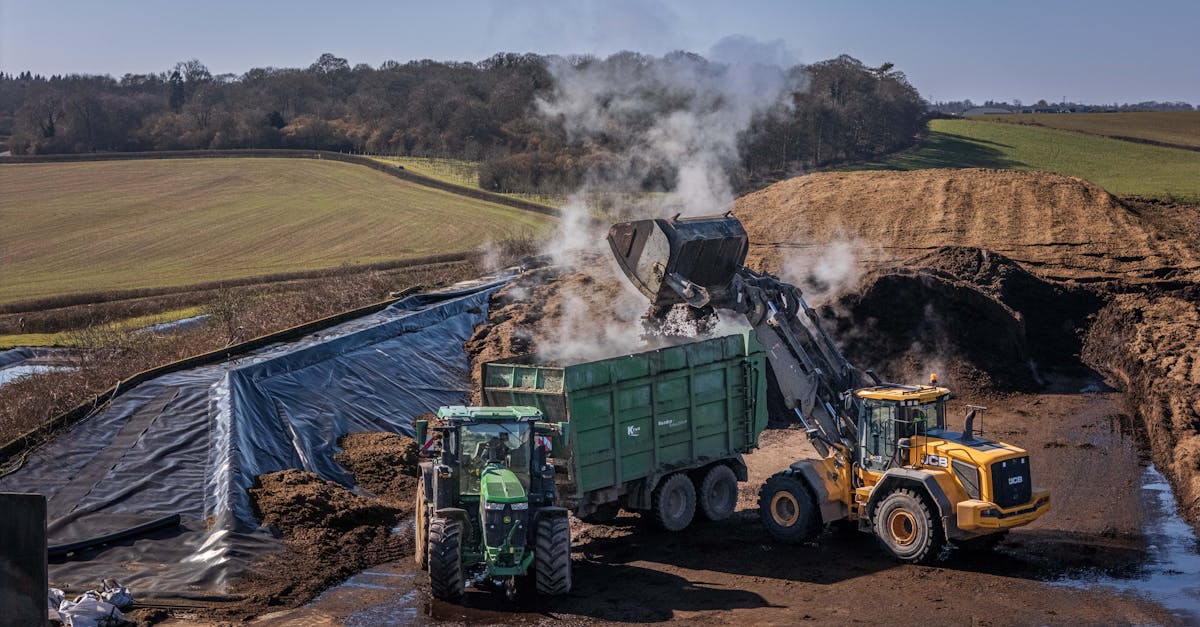
You do not have to choose just one. Most successful organic farmers run a base of FYM or vermicompost, add a crop-specific biofertilizer, and slot in green manure between main crops. Our best organic fertilizers guide explains exactly which to pick for which need.
Benefits for Your Soil and Crop
- Builds soil organic carbon and structure, so the land holds water and air better and resists erosion.
- Feeds soil microbes and earthworms that make nutrients available naturally and improve root health.
- Releases nutrients slowly and steadily, reducing leaching, run-off and the "burn" that over-applied chemical fertilizer can cause.
- Cuts dependence on chemical fertilizer and lowers long-term input cost as your soil gets healthier.
- Supports safer, residue-aware produce that can earn a premium in organic and export markets.
- Improves drought resilience - soil rich in organic matter holds moisture far longer between irrigations.
The Honest Trade-offs
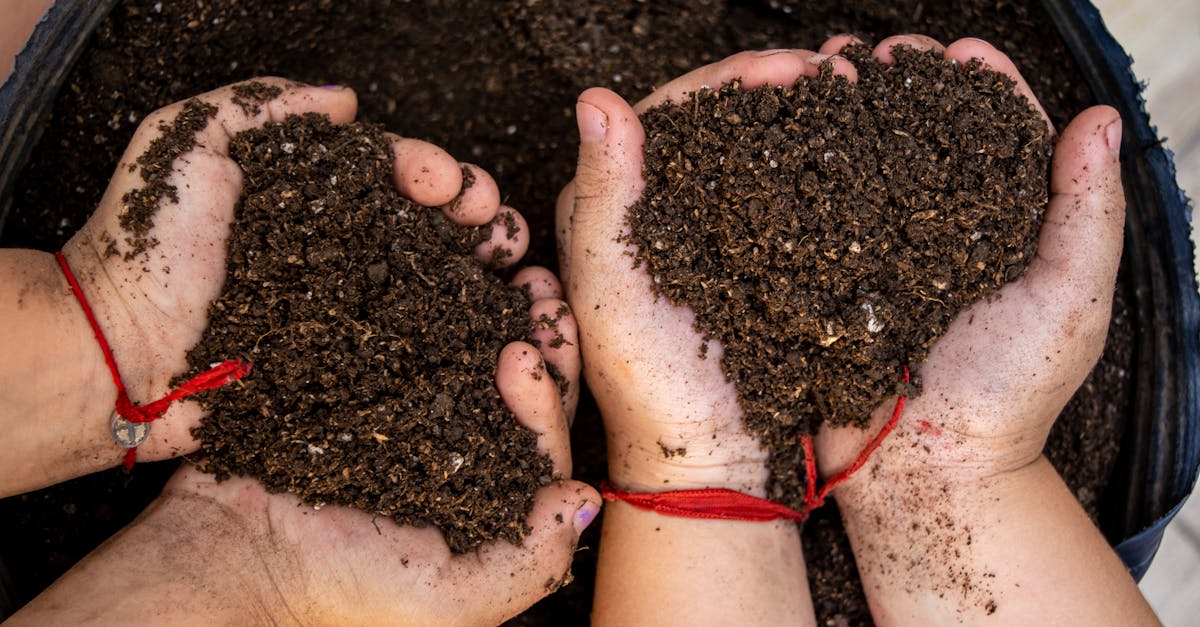
We will be straight with you: organic fertilizers generally have a lower and more variable nutrient content than chemical fertilizers, act more slowly, and are needed in much larger quantities by weight, so the gains build over two to three seasons rather than overnight. If you switch a tired, chemical-dependent field to organic-only in one go, expect a dip before soil life recovers. For most farms the smartest path is therefore integrated nutrient management: a strong organic base plus a reduced, soil-test-based dose of chemical fertilizer. See the full comparison on organic vs chemical fertilizer, and always plan from a soil health card.
How Much Organic Fertilizer Per Acre?
There is no single number, because organic materials vary in nutrient strength and your soil's existing fertility differs from the next farm's. As a broad guide, farmers commonly apply well-decomposed FYM or compost in the range of a few tonnes per acre before sowing, with vermicompost used at a lower rate because it is more concentrated, and biofertilizers at the small seed-treatment doses printed on the pack. Treat these as starting points only and confirm the right quantity for your crop and soil with your soil health card or local Krishi Vigyan Kendra (KVK) - over-applying even organic matter wastes money and can imbalance the soil.
How to Apply Organic Fertilizer (Step by Step)
- Get a soil health card so you know what your soil actually needs.
- Mix well-decomposed FYM or compost evenly into the field 2-3 weeks before sowing (raw, undecomposed manure can harm the crop and attract pests).
- Treat seed with the right biofertilizer - Rhizobium for pulses, Azotobacter or PSB for cereals and vegetables.
- Grow a green manure crop in the off-season and plough it back in while still green.
- Top up during the growing season with vermicompost or oil cakes near the root zone as the crop demands.
Common Mistakes to Avoid
- Using raw manure: always compost it first; fresh dung robs the soil of nitrogen as it breaks down and can carry weed seeds.
- Expecting instant results: organic builds fertility over seasons - judge it on the trend, not one harvest.
- Ignoring the soil test: guesswork wastes inputs; match what you add to what the soil lacks.
- Going 100% organic overnight on a depleted field - transition gradually to avoid a yield crash.
Organic Fertilizer for Different Crops
The mix shifts with the crop. Vegetables respond very well to vermicompost plus neem cake, which together feed the crop and keep soil pests down. Cereals like wheat and paddy do well on FYM with an Azotobacter or PSB seed treatment. Pulses benefit most from a Rhizobium treatment, which fixes their own nitrogen. Orchards and high-value crops reward heavier compost plus oil cakes. Pair this with the crop-specific dose in our fertilizer guides.
Government Support for Going Organic
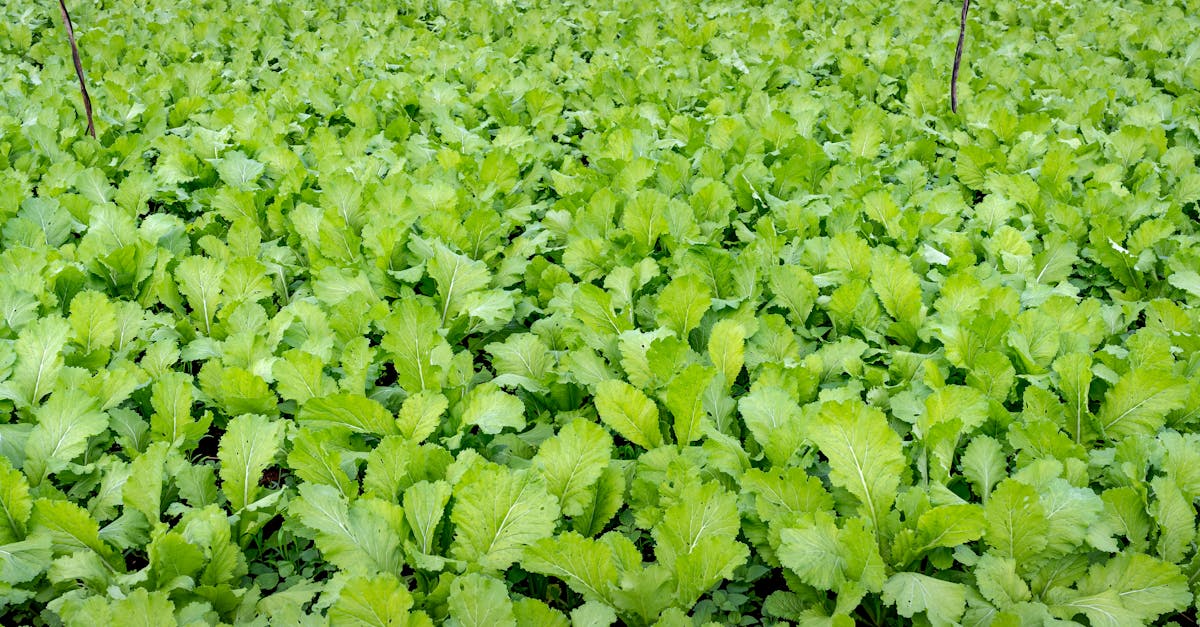
The Paramparagat Krishi Vikas Yojana (PKVY) supports cluster-based organic farming with assistance over a three-year conversion period, and other programmes - the National Mission on Natural Farming, and MOVCDNER in the North-East - help too. Exact amounts and rules change, so confirm current details on the official portal or via the Subsidy Finder. A Kisan Credit Card can also fund inputs while you transition.
Where to Get Organic Fertilizer
You have three routes. Make your own - see how to make compost at home and the vermicompost guide; it is the cheapest and gives you full quality control. Buy locally from an agri-input dealer or an FPO, which often supplies members quality compost and biofertilizers at lower cost. Or compare options on our best organic fertilizers list and check current fertilizer prices. Want help sourcing quality organic fertilizer or a free plan for your farm? Enter your number above and a Farmer.in expert will call you back.