
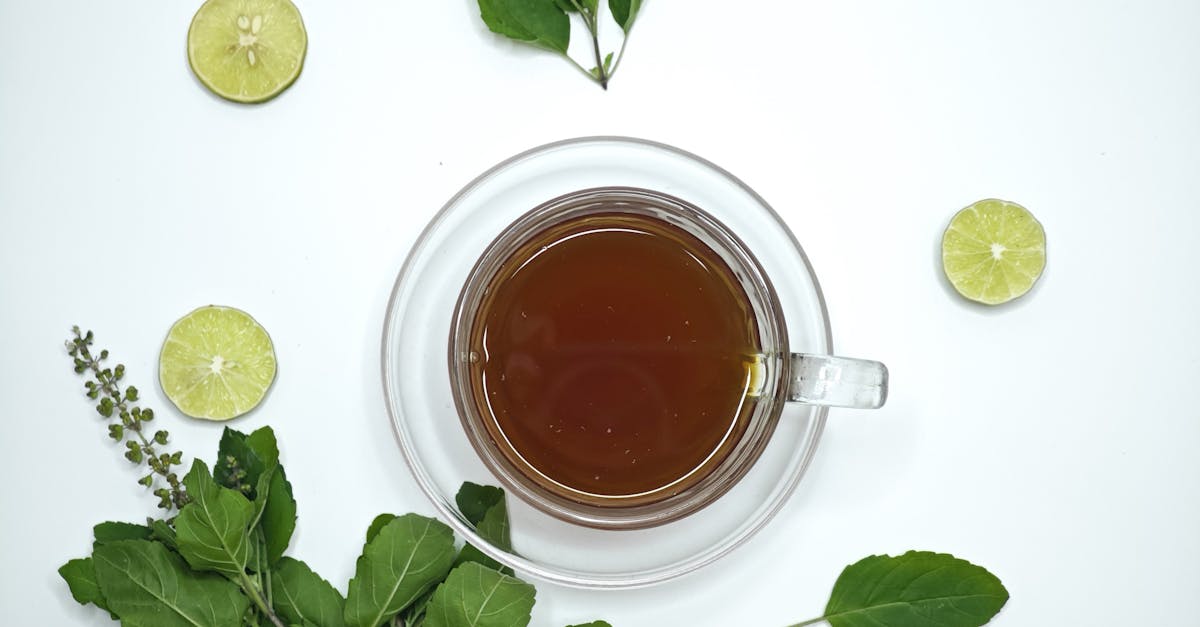
Tulsi (holy basil, Ocimum sanctum or O. tenuiflorum) is an easy rainy-season crop that grows on ordinary well-drained soils across the plains, and it pays when you have a buyer for the dried herb or access to a small distillation unit for the oil. CSIR-CIMAP has released high-eugenol varieties, and the crop is grown commercially in Uttar Pradesh (Mathura), Gujarat, Karnataka and Maharashtra.
The crop is quick: transplanted in July, it is cut at 90 to 95 days. CIMAP's own estimate is a net return of about ₹55,000 per hectare (about ₹22,000 per acre), which is modest, so scale depends on a reliable buyer and on selling oil or dry leaf rather than fresh bunches.
Where it grows in India
- Regions: CIMAP reports its CIM-Ayu variety grown as an annual crop on about 4,000 ha in Mathura (Uttar Pradesh), Gujarat, Karnataka and Maharashtra, for leaf oil and for dry leaf used in herbal tea. A fertiliser and spacing trial was run at Arabhavi (Karnataka).
- Climate: subtropical and tropical conditions; the crop is a Kharif crop that can be grown rainfed, since it needs little irrigation in the monsoon.
- Soil: well-drained soil with good organic matter, pH 5.5 to 7. Avoid highly saline, alkaline or waterlogged land.
Varieties
| Variety | Source | Traits (CIMAP figures) |
|---|---|---|
| CIM-Ayu | CSIR-CIMAP, released 2003 | Potential 16 q/ha dry leaf or 110 kg/ha oil, eugenol 83%; performs even in the rainy season |
| CIM-Angana | CSIR-CIMAP | Greyish purple stem, leaves purple in winter; 14 q/ha dry leaf or 90 kg/ha oil, eugenol 40% and germacrene-D 16% |
- CIM-Saumya, CIM-Snigdha and CIM-Surabhi are sweet basil (Ocimum basilicum) varieties with different oils; they are not holy basil. Buy seed only from CIMAP or a licensed source and tell the seller which species and oil type you want.
- Tea and herbal buyers may want a specific type of tulsi. Ask them before choosing a variety.
Nursery, planting and spacing
- Seed: about 500 g per hectare (about 200 g per acre) raises enough seedlings. Seeds are very small, so mix them with sand and sow 2 cm deep in beds of 4.5 x 1.0 x 0.2 m; seed treatment with mancozeb at 5 g per kg of seed is described by CIMAP. Germination takes 8 to 12 days, and CIMAP says to transplant at about six weeks old, with 4 to 5 leaves.
- Transplanting: July. CIMAP recommends 45 x 30 cm, about 74,000 plants per hectare (about 30,000 per acre). A trial at Arabhavi gave the highest fresh herb yield (15.72 t/ha) at 45 x 30 cm, while the wider 45 x 60 cm spacing gave plants with greater spread but lower eugenol (54.75% against 60.69%).
- Water the nursery bed a day before uprooting, irrigate right after transplanting and fill gaps within a week or two.
Nutrition, water and weeds
- Manure: well-decomposed farmyard manure or compost at 10 to 15 t per hectare (4 to 6 t per acre) before planting.
- Fertiliser (CIMAP): 80 kg N, 40 kg P2O5 and 40 kg K2O per hectare (about 32, 16 and 16 kg per acre). One third of N and all P and K go at planting; the rest of the N in two splits after the first and second cuts. At Arabhavi, 150:85:70 kg/ha NPK gave 15.18 t/ha fresh herb, 0.40% oil and 60.69% eugenol, but those are higher doses than CIMAP's; use a soil test and your KVK's advice. See fertilizers.
- Water: no irrigation is needed in the rainy season. In summer give about 3 irrigations a month, 12 to 15 irrigations over a full year, and stop irrigation before harvest.
- Weeds: first weeding one month after planting, a second 4 weeks later, then a hoeing and earthing up at two months. Mulch to hold moisture. CIMAP advises against chemical herbicides.
- Pests: follow your KVK's advice; tulsi goes into medicine and tea, so avoid sprays that leave residues.
Harvest, drying and distillation
- When: 90 to 95 days after planting, at full bloom when lower leaves start to yellow, on a bright sunny day.
- How: cut the whole plant about 15 cm above ground so it regrows for another cut. Wilt it in the field for 4 to 5 hours.
- Products: dry leaf for tea and powder, or steam distillation for oil. CIMAP says steam distillation takes less time and gives better oil recovery than hydro-distillation. Store oil sealed in amber glass or stainless steel in a cool dry place.
- Yield: CIMAP quotes an average of about 20 t green herbage per hectare (8 t per acre) giving 100 to 120 kg oil per hectare (40 to 48 kg per acre). Variety potentials are in the table above.
💡 Tip: Decide the product before sowing. Ask a tea or herbal buyer for a written price for dry leaf, or confirm a distillation unit and an oil buyer within reach, because fresh herb cannot be stored or moved far.
Cost and returns
- CIMAP's estimate (2021): cost of cultivation about ₹45,000 per hectare, gross returns about ₹1,00,000 per hectare, net about ₹55,000 per hectare. Per acre that is roughly ₹18,000 cost, ₹40,000 gross and ₹22,000 net.
- Assumptions behind it: about 100 to 120 kg oil per hectare sold at the price CIMAP assumed. The oil price is not stated in the source and has not been checked against current rates, so recompute with the price your buyer quotes: kg oil per acre x price per kg, minus your own costs.
- No current published price for dry tulsi leaf was found. Ask buyers for a written rate and the moisture and cleanliness they accept.
Market and risks
- Buyers include herbal tea and Ayurvedic product makers and essential oil traders; the oil is used in flavour, perfumery and pharmaceuticals. If a buyer offers a contract, insist on the price, grade and payment date in writing.
- Risks: small margin per hectare, price swings in oil, rain damage at harvest and no local buyer. Check CIMAP's training and seed programmes before scaling.
- See FPO for group sales, subsidy finder for medicinal and aromatic plant support (confirm the current rate with your state board), kalmegh as a similar rainy-season herb and Kisan Credit Card for working capital.
Sources
- Suryavanshi and Kumar (CSIR-CIMAP), Livelihood security of small and marginal farmers through Ocimum cultivation, Indian Horticulture, May-June 2021
- Journal of Pharmacognosy and Phytochemistry, inorganic fertilizer and spacing in sacred basil, Arabhavi, 2015-16
- CSIR-CIMAP AromaDb, CIM-Ayu variety details