
Java citronella is an established aromatic grass in India that works best in humid, high-rainfall areas such as Assam and the Northeast, Kerala, Karnataka, West Bengal and the Tarai belt of Uttarakhand, and it is only worth planting if a distillation unit and an oil buyer are within reach. The money is in the oil, not the grass, so the crop needs steam or water distillation on or near the farm.
Published oil yields range from 50 to 100 kg per hectare in year 1 (TNAU) to nearly 390 kg per hectare in a CSIR-CIMAP variety trial, so the variety, site and age of the stand decide the result. No verified farm-gate oil price was found, so get a buyer's written price first.
Climate and soil
- Rainfall and humidity: TNAU gives 200 to 250 cm well distributed rain with high humidity. Under irrigation, drier areas can also grow it; ask the nearest CSIR-CIMAP or CSIR-NEIST centre.
- Soil: sandy loam rich in organic matter; heavy clays and waterlogging are unsuitable. TNAU gives pH 6.6 to 8.0.
- Shade: a CSIR-CIMAP trial at Hyderabad found 50% shade gave the highest herb and oil yield for Bio-13, slightly above full sun, and 90% shade gave the lowest. Full sun is a safe default.
Varieties
| Variety | Source | Result | Notes |
|---|---|---|---|
| Bio-13 | CSIR-CIMAP | Pantnagar trial (2014-16, two-year average): fresh herb 308.8 q per ha a year, oil 386.41 kg per ha a year, oil content 1.3%, plant height 137 cm | Highest oil yield of four varieties compared |
| CIM-Jeeva | CSIR-CIMAP | Highest oil content in the same trial, 1.4% | Lower oil yield per ha than Bio-13 |
| Manjusha | Listed by TNAU and in the trial | Oil content 1.1%, the lowest of the four | Check availability |
| Jor Lab C-2, Jor Lab C-5 | CSIR-NEIST, Jorhat | Jor Lab C-2 was the fourth variety in the Pantnagar trial | Common in the Northeast |
| Java-2, Mandakini | Listed by TNAU as high-yielding | No yield figures found | Ask your KVK |
Buy slips from a CSIR centre, a KVK or a registered nursery; Bio-13 and CIM-Jeeva are the CSIR-CIMAP lines. Ask for the variety name in writing, as unnamed slips can be other Cymbopogon grasses with a different oil.
Planting
- Season: TNAU gives June to July; the Pantnagar trial planted in the first fortnight of July. Plant at the start of the rains, or with irrigation.
- Material: rooted slips (split tillers).
- Spacing: TNAU and the Hyderabad trial used 60 x 45 cm; the Pantnagar trial used 60 x 30 cm. On a full 60 x 45 cm grid that is about 37,000 clumps per hectare (about 15,000 per acre), plus extra for gap filling.
- Weeds: one or two weedings in the establishment stage, then earthing up after each cut (TNAU).
Nutrition and irrigation
| Source | Dose per hectare | Per acre |
|---|---|---|
| TNAU | 10 t FYM and 25:40:40 kg NPK as basal; 75 kg N in three equal doses at 3, 6 and 9 months after planting | about 4 t FYM, 10:16:16 kg NPK basal, 30 kg N more |
| Hyderabad trial (Bio-13) | 10 t organic manure; NPK 100:40:40 kg in split doses | about 4 t manure, 40:16:16 kg NPK |
| Pantnagar trial | 150 kg N, 80 kg P2O5, 60 kg K2O; full P and K basal | about 61 kg N, 32 kg P2O5, 24 kg K2O |
Irrigate on day 3 after planting, then every 7 to 10 days in dry spells (TNAU).
Pests and diseases
TNAU lists mites and sucking pests and leaf blight; it suggests mancozeb or zineb sprays every 15 to 20 days for leaf blight. Citronella is usually a low-input crop, so scout first, drain waterlogged plots, and follow the current label and your KVK before any spray. See pests for identification.
Harvest, distillation and yield
- Cuts: first cut about 6 months after planting, then every 2.5 months, cutting 10 to 15 cm above ground (TNAU). That gives 3 to 4 cuts a year.
- Herbage: 20 to 30 t per hectare a year (TNAU); the Pantnagar Bio-13 trial recorded about 31 t per hectare (308.8 q).
- Oil (TNAU, water distillation): 50 to 100 kg per hectare in year 1, 100 to 150 kg in year 2 and 250 to 300 kg from year 5. TNAU gives oil content of 0.2 to 0.3%, while the CIMAP trials at Pantnagar and Hyderabad measured 0.9 to 1.4%. Treat the TNAU figures as cautious farmer-level numbers and the trial figures as the research ceiling.
- Hyderabad trial, Bio-13 (2023-24): oil about 144 kg per acre in full sun and about 157 kg per acre at 50% shade.
- Distil fresh or lightly wilted herb soon after cutting. CSIR Aroma Mission promotes village cluster distillation units; ask the nearest CIMAP or NEIST centre whether one operates near you.
Cost and returns
- Hyderabad trial (Bio-13, 60 x 45 cm, 2023-24, as reported): gross return ₹2,27,150 per hectare at 50% shade (net ₹1,79,150, benefit-cost ratio 3.73) and ₹2,08,539 per hectare in full sun (net ₹1,60,539, ratio 3.34). That implies a cost of about ₹48,000 per hectare (₹19,400 per acre), so gross is about ₹85,000 to ₹92,000 per acre and net about ₹65,000 to ₹72,500 per acre.
- Caution: this is a research-station result from a single site, not a grower survey. Farm yields under TNAU's figures (100 to 150 kg per hectare in year 2) are much lower, so first-two-year income may be a fraction of this. Multiply your expected oil per acre by the written price your buyer offers, and subtract slips, labour, fuel and distillation charges.
- Cost items: slips, FYM, weeding labour, cutting labour, fuel for distillation, and transport.
Market and risks
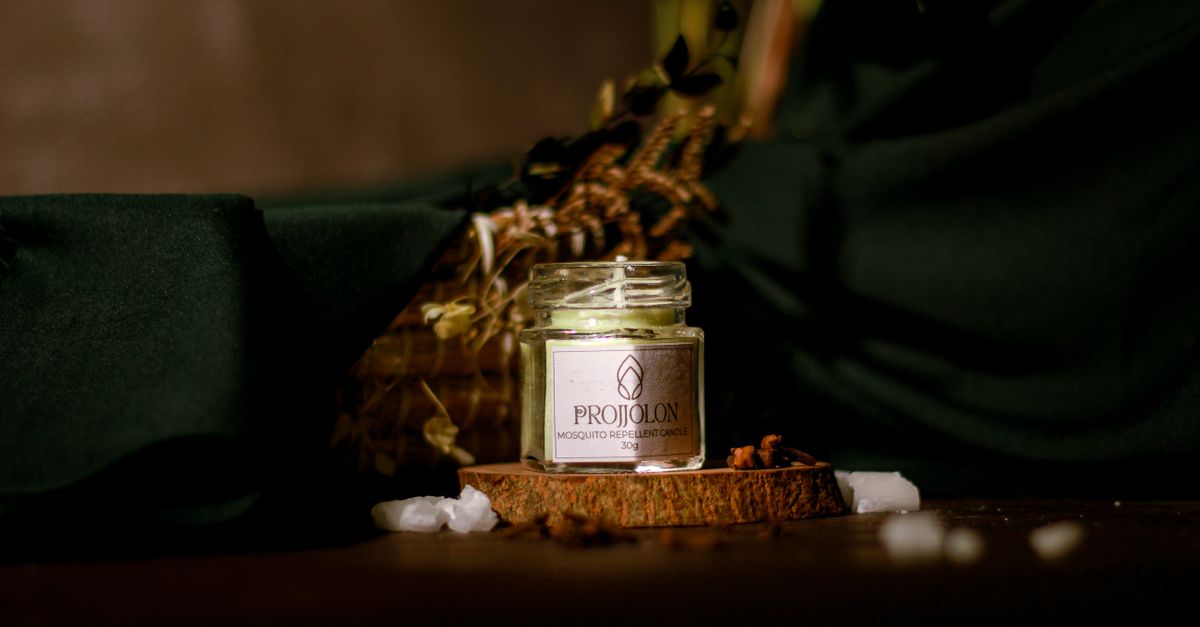
- Buyers are aroma-chemical and perfumery companies, mosquito repellent and soap makers and oil traders. Price depends on citronellal and geraniol content and swings with imports and global supply, so a standing offer matters.
- Main risks: no buyer or distillery nearby, a wrong or low-oil planting material, and oil-price swings. The crop is a perennial, so a poor start costs several seasons.
- See FPO for group distillation and sale, export buyers for traders, and subsidy finder. Aromatic crop support from the National Medicinal Plants Board and CSIR Aroma Mission varies by state; confirm current rates with the nearest centre. Related guide: lemongrass.
Sources
- TNAU Agritech Portal, Citronella
- Upadhyaya et al., Evaluation and screening of best variety of citronella for the Tarai region of Uttarakhand (International Journal of Tropical Agriculture 35(1), 2017, CSIR-CIMAP Pantnagar)
- Java citronella (Bio-13) under shade levels, CSIR-CIMAP Research Centre, Hyderabad, 2023-24