
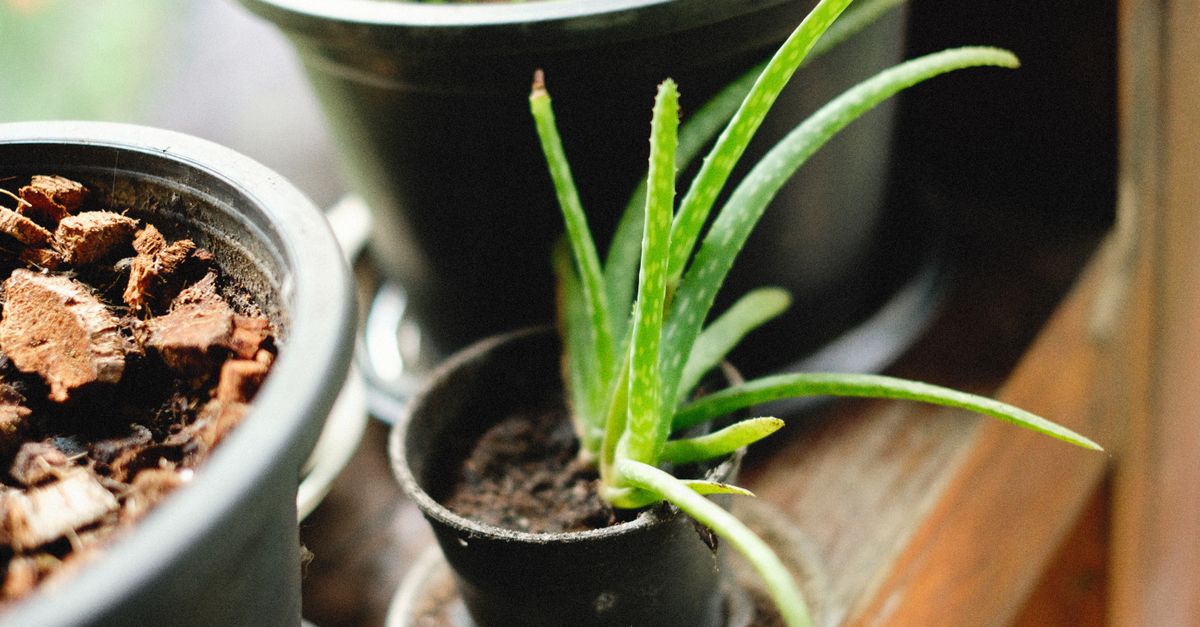
Aloe vera grows easily on poor, well-drained land across the drier parts of India, especially Rajasthan, Gujarat, Andhra Pradesh, Tamil Nadu and Karnataka, and needs very little water or care. The hard part is selling it: leaves are heavy, perishable and cheap, the price per kg is low, and without a processor or contract nearby the crop can be hard to sell at a profit.
It suits farmers with dry, marginal land who live close to a pulp or gel processing unit, or who will process the leaves themselves. It is not a high-income crop for a farmer who has to truck leaves a long way to an unknown buyer.
Where it grows in India
- Areas: commercial cultivation is reported around Alwar (Rajasthan), Rajpipla (Gujarat), Satanapalli (Andhra Pradesh) and parts of Tamil Nadu. A 2026 market report points to Rajasthan and Gujarat as the key leaf-supplying states for processors, and a 2024 study looks at farmers growing aloe in Haryana.
- Climate: TNAU describes aloe as widely adaptable, from warm humid to dry climates, with 50 to 300 mm rainfall enough; it needs protection from frost. A Karnataka farming guide says a minimum of about 400 mm annual rainfall is needed if grown without irrigation.
- Soil: sandy coastal to loamy plains soils; well-drained loam to coarse sandy loam, pH up to 8.5. It tolerates high salinity but not waterlogging, so ridge or raised-bed planting is advised on heavy soil.
Planting material and spacing
- Plant from root suckers (side shoots) or rhizome cuttings. TNAU gives about 36,500 suckers needed per hectare of nursery. Choose healthy suckers with 3 to 4 leaves; field-run material is usually mixed.
- Varieties: commercial plantings in India are of Aloe barbadensis (Aloe vera). Secondary sources mention named lines such as IC 111271 and AL-1, but their release details are not verified, so ask your KVK or the state horticulture department which thick-leaf, high-gel, low-aloin clone your buyer wants.
- Spacing: TNAU gives 40 x 45 cm or 60 x 30 cm, about 55,000 plants per hectare (about 22,000 per acre). A Karnataka guide uses 60 x 45 cm, about 16,000 plants per acre, in 30 cm pits.
- Time: plant at the start of the rains, or with irrigation in any season except the hard winter.
Manure, fertiliser and irrigation
- TNAU recommends 15 tonnes of farmyard manure per hectare every year (about 6 t per acre) and 50:50:50 kg N:P:K per hectare as a basal dose (about 20 kg each per acre).
- A Karnataka guide for organic cultivation uses per acre 2 tonnes vermicompost, 150 kg neem cake and 100 kg wood ash.
- Irrigate immediately after planting and in summer; the crop can be rainfed. One monthly irrigation in the dry season (November to May) raises yield. Never let water stand.
- Weed regularly, earth up the plants, and remove flower stalks.
Pests and diseases
- TNAU lists fungal leaf spot, controlled with a recommended fungicide; follow the label and ask your KVK.
- Root and stem rot are the main hazard in wet or heavy soil; good drainage prevents them. Aloe is otherwise a low-pest crop.
Harvest and yield
- First harvest begins in the second year (a Karnataka guide says 18 to 24 months). Harvest by cutting 3 to 4 of the lower, mature outer leaves per plant, up to three times a year, for about 5 years.
- TNAU yield estimate: 30 tonnes per hectare in year 2 and 40 tonnes per hectare in years 3 to 5, with potential of 50 to 55 tonnes. That is 12 to 16 tonnes per acre. The Karnataka guide says 10 to 15 tonnes per acre per year at maturity.
- Leaves are perishable, so line up transport to the processor before you cut. TNAU notes that harvested leaf for dried-latex products is allowed to wilt in the field for 24 to 72 hours and then dried on shaded concrete floors.
Cost and returns
- Price: a Karnataka guide gives ₹6 to ₹15 per kg for fresh leaf, and ₹8 to ₹12 per kg under contract. A market report in 2026 notes that leaf prices fell sharply in June 2026 on abundant supply and weak personal-care demand, and expected prices to be stable in July, without giving a figure. TNAU's old model uses only ₹2,000 per tonne (₹2 per kg), which shows how low the price can go.
- Arithmetic at 12 tonnes per acre: at ₹6 per kg gross is ₹72,000; at ₹10 per kg ₹1.2 lakh; at ₹15 per kg ₹1.8 lakh. At ₹2 per kg it is only ₹24,000.
- Costs: the Karnataka guide puts net income at ₹70,000 to ₹85,000 per acre from year 2. TNAU's old model lists establishment cost of ₹68,700 per hectare and maintenance of ₹21,350 per hectare per year in years 3 to 5 (old prices; costs are higher now). Harvest labour and transport per kg are significant and not included in these figures.
- Yearly income starts only in year 2, after about 18 to 24 months of no revenue.
💡 Tip: Before planting, find out exactly who buys fresh leaf within 100 km, at what weight-based price and who pays for transport and loading. If you can't name the buyer, don't plant more than a small plot.
Market and risks
- Buyers: pulp and gel processors, and herbal and personal-care firms, buy fresh leaf, mostly through contracts or agents in Rajasthan and Gujarat. Large herbal companies have contract arrangements in places, but current terms for any specific company are not verified.
- Documented farmer problems: a 2024 survey of Haryana growers found the most common constraints were high marketing costs (78.67% of respondents), no government price for medicinal plants (84%), high input costs (79.33%), and shortage of planting material (71.33%). Other studies report middlemen, no nearby processing unit, and no storage or transport facilities.
- Beware: promoters who promise assured buy-back at several times the market price. If a buyer insists you purchase plants from them first, treat it as a plant-selling scheme.
- Farmer groups can improve bargaining and start simple processing; see FPO, subsidy finder and export buyers. No current NMPB subsidy rate for aloe vera has been verified.