
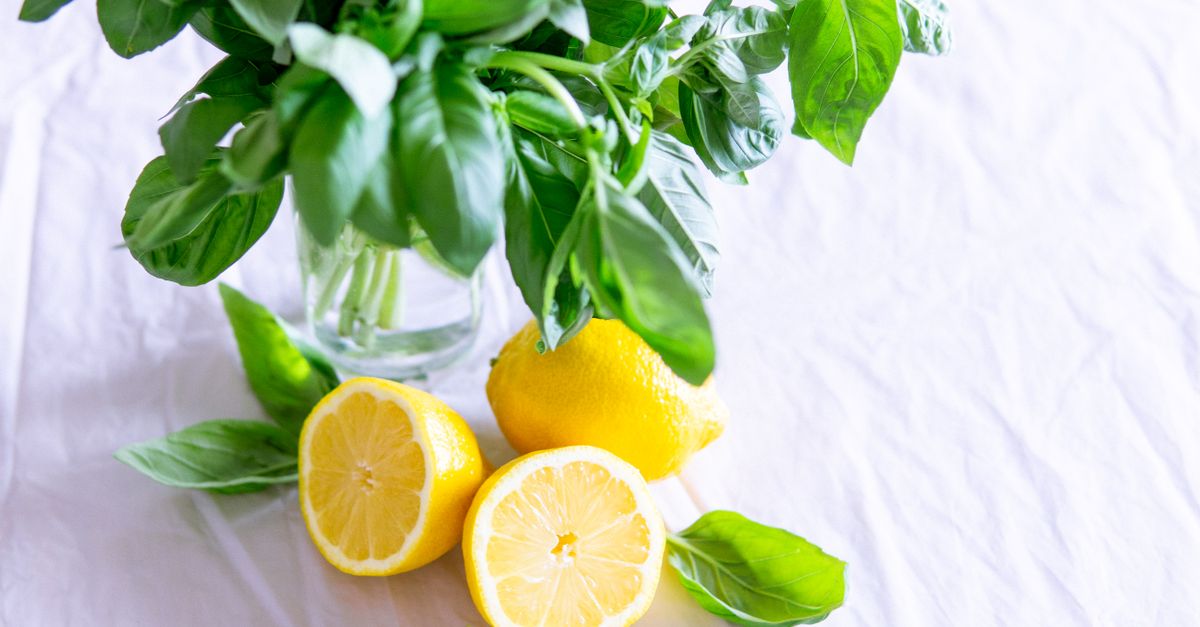
Sweet basil grows easily almost anywhere in India that is warm and frost-free, from the plains to about 900 m, so the crop itself is simple. The real question is the buyer: fresh culinary basil sells only to chefs, cloud kitchens, hotels and premium retailers near big cities, and the market is small and perishable, so plant only after a buyer has agreed a price and delivery schedule.
Most Indian research on Ocimum basilicum is on herbage and essential oil, not on fresh culinary bunches, so the yield figures below describe oil or dry-herb crops. Fresh-leaf yields and prices for the chef market have no published Indian trial data; local KVKs and your own buyer are the better guide. This guide is for Ocimum basilicum; for holy basil see tulsi and for the seed crop see sabja seeds.
Climate and soil
- Climate: long days and warm temperatures suit growth and oil production; the crop is moderately tolerant of drought and frost and grows up to about 900 m. Partial shade lowers oil content.
- Soil: rich, well-drained loam is best; poor laterite and saline to moderately acidic soils also work. Waterlogging causes root rot and stunting.
- Where research is done: trials are reported from Mandsaur (Madhya Pradesh), Bengaluru (IIHR) and Goalpara, Kokrajhar and Dhubri in Assam (CSIR-CIMAP). Oil-type sweet basil is widely grown in the North Indian plains after menthol mint or maize. For protected cultivation see polyhouse subsidy.
Varieties
| Variety | Source | Notes |
|---|---|---|
| CIM-Saumya, CIM-Snigdha, CIM-Surabhi | CSIR-CIMAP, Lucknow | Oil-type varieties with different chemistry; CIM-Saumya averaged 25 to 27 t/ha herb in Assam, with 100 to 110 kg/ha oil |
| Vikarsudha | CSIR-CIMAP reference variety | Used as a check in CIMAP evaluation trials |
The varieties above are bred for essential oil, not for the large tender leaf chefs want, and no ICAR-released culinary variety was identified. If you grow for chefs, buy large-leaf culinary seed from a reputable seed seller and check leaf size, aroma and yield on a small bed first.
Nursery, spacing and planting
- Seed rate: 200 to 300 g of seed raises seedlings for one hectare (80 to 120 g per acre). Sow 2 cm deep mixed with sand in raised beds; germination takes 8 to 12 days.
- Transplant: six-week seedlings with 4 to 5 leaves. A 2% urea spray 15 to 20 days before transplanting gives sturdier seedlings.
- Spacing: 40 x 40 cm, 40 x 50 cm or 50 x 30 cm, about 20,000 to 25,000 plants per hectare (8,000 to 10,000 per acre).
- Season: the NIFTEM package sows in the third week of February and transplants in mid April; the CIMAP crop in Assam is sown in June and July. Under cover it can be grown through the year.
Nutrition, irrigation and weeding
- Manure: 10 to 15 t/ha of farmyard manure or compost before planting (4 to 6 t per acre).
- Fertiliser: 120 kg N, 60 kg P2O5 and 60 kg K2O per hectare (about 48:24:24 kg per acre); half the N and all P and K at planting, the rest as top dressing after cuts.
- Water: light, frequent irrigation; avoid standing water. Drip keeps leaves clean and saves water.
- Weeding: first weeding one month after planting, second four weeks later; the bushy crop then suppresses weeds.
Pests and diseases
- Powdery mildew: wettable sulphur at 4 g per litre of water.
- Seedling blight and root rot (Rhizoctonia): use clean beds, good drainage and healthy seedlings; avoid waterlogging.
- Leaf-rolling caterpillars: fold and web the leaves; hand-pick early. Because leaves are eaten fresh, buyers expect residue-free produce, so use only labelled chemicals with the waiting period and ask the local KVK before spraying.
Harvest and yield
- Cutting: in the oil-crop package the first cut comes 90 to 95 days after planting, at full bloom, then every 65 to 75 days, cutting 15 to 20 cm above ground. Culinary growers cut earlier, before flowering, to keep leaves tender; pinch flower buds to keep the plant leafy.
- Herbage yield: NIFTEM gives about 5 t/ha (2 t per acre) fresh herbage, 2 to 3 times a year. CSIR-CIMAP recorded an average of 25 to 27 t/ha whole herb from a May to September CIM-Saumya crop in Assam (10 to 11 t per acre). IIHR Bengaluru recorded 8.43 t/ha dry herbage in the main crop and 3.76 t/ha in the ratoon with FYM plus NPK 160:80:80 kg/ha, a trial dose higher than the standard one above.
- After harvest: fresh basil bruises and wilts within a day. Cut early morning, keep cool and shaded, and pack in ventilated crates or clamshells the same day.
Cost and returns
For an oil and seed crop at Mandsaur (2021-22), farmyard manure at 20 t/ha plus bio-fertilisers gave a gross return of ₹2,63,425 per hectare, net ₹1,87,322 and a benefit-cost ratio of 2.5 (about ₹1.07 lakh gross and ₹76,000 net per acre). An IIHR trial gave benefit-cost ratios of 5.49 and 3.71 in two years. In Assam, CSIR-CIMAP reported a net profit of ₹1.0 to ₹1.03 lakh per hectare in 100 to 120 days (about ₹40,000 to ₹42,000 per acre) when the oil was sold at ₹1,400 per kg to buyers in Barabanki, Uttar Pradesh (2022 rate; oil prices move, so check current rates). These show that the crop is cheap to grow, but they are oil-crop figures and do not apply to fresh bunches.
For fresh sales, work out returns from your buyer's written price per kg and the weekly volume they will really take. A one-acre field can give far more fresh leaf than a few restaurants can buy.
Market and selling
- Fresh: chefs, cloud kitchens, hotels, premium grocers and online fresh-herb sellers. Start with 1 to 2 standing orders, not a full acre.
- Oil and dry herb: CIM-Saumya oil from Assam was sold to companies in Barabanki, Uttar Pradesh; confirm a distiller or processor nearby before planting, since transport of green herb is costly.
- Farmers selling together through an FPO can supply steadier volumes.
Sources
- NIFTEM PMFME, Basil processing (cultivation package)
- Plant Archives 2024, Basil growth, yield and economics with organic manures (RVSKVV Mandsaur)
- Journal of Horticultural Sciences, French basil nutrient trial (ICAR-IIHR)
- Journal of Medicinal and Aromatic Plant Sciences 2022, sweet basil CIM-Saumya in Assam (CSIR-CIMAP)