
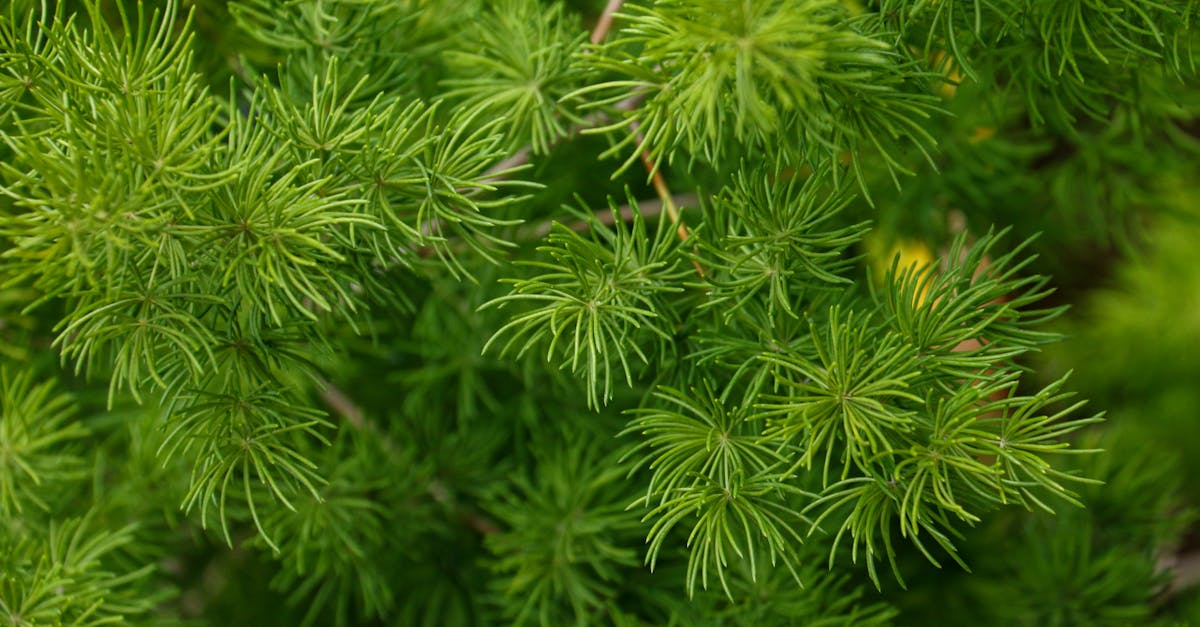
Shatavari (Asparagus racemosus) is a long-duration root crop that suits tropical and warm regions and also grows under light shade, so it can be planted between orchard trees. It is harvested after roughly 18 to 24 months, there is no mandi-wide price published for dried root, and farm-level yield claims differ by a factor of four, so sign up a buyer before planting and plan finances for the whole cycle.
The best Indian field evidence is from ICAR-DMAPR (Anand, Gujarat), whose farmer-field demonstrations gave 4.13 t of dry root per hectare. Guide-book figures are much lower, about 1.0 to 1.2 t per hectare in one and 1.5 to 3 t per hectare in another.
Where it grows and what it needs
- Climate: tropical to moderate hilly regions, with 800 to 1,200 mm of well-distributed rain quoted in one guide. It tolerates low temperatures and needs little irrigation once established.
- Soil: well-drained soils, from sandy loam and red laterite to medium black soils, pH 6 to 8; one guide says it can grow on shallow, rocky soil 20 to 30 cm deep. Avoid waterlogging, which invites root rot.
- Shade: in the ICAR-DMAPR trial (2017 to 2019, Boriavi, Anand), open-field plants gave the highest root yield and 25% shade net gave the second best, with the highest shatavarin IV content. Shade of about 25%, for instance between orchard trees, costs little yield.
- Where grown: trials in Gujarat; guides name Karnataka districts such as Chitradurga, Tumakuru and Hassan. Ask your state medicinal plants board or KVK for local buyers before you plant.
Variety and planting material
- ICAR-DMAPR selected the accession DAR-26 for its farmer-field demonstrations. This is an accession, not a notified variety, so ask DMAPR (Anand) whether planting material is available.
- Propagation is by seed raised in a nursery. The DMAPR trial sowed in mid-April and transplanted seedlings at 75 days. Another package says seedlings are ready 45 days after sowing and are transplanted at the start of the monsoon in July. Check the timing for your region with the KVK.
- Buy seed or seedlings from a source that can name the accession, and avoid wild-collected material.
Spacing and plants per acre
| Source | Spacing | Plants per acre (calculated) | Plants per hectare |
|---|---|---|---|
| ICAR-DMAPR trial | 45 x 45 cm | about 20,000 | about 49,000 |
| Vikaspedia package | Ridges 45 cm apart, 15 cm between plants | about 60,000 | about 1.5 lakh |
| AgriFarming guide | 60 x 60 cm on ridges, with stakes | about 11,000 | about 27,800 |
- Spacing varies widely between sources, and no trial comparing them was found. Use the DMAPR spacing (45 x 45 cm) unless the KVK advises otherwise.
- Make ridges 40 to 45 cm wide with furrows for irrigation; the climbing stems may be given support with stakes.
Nutrition and irrigation
- One package advises about 10 t of well-decomposed farmyard manure per hectare (about 4 t per acre) mixed in a month before transplanting, with 60 kg N, 40 kg P2O5 and 40 kg K2O per hectare (about 24, 16 and 16 kg per acre).
- Water need is low: irrigate at planting and during establishment, then occasionally in the dry season. One guide gives winter irrigation every 30 days. See drip irrigation if water is short.
- Pests and diseases: one guide lists aphids, root rot (Fusarium and Phytophthora), stem blight and root-knot nematode. Good drainage and clean seedlings are the first defence; for any chemical follow the label and ask your KVK, since the roots are used as medicine. See pests.
Harvest, drying and yield
- Harvest age: 18 to 24 months is commonly quoted; one guide gives a wider 20 to 30 months. Roots are dug, washed, peeled and dried.
- Fresh yield: 12,000 to 14,000 kg per hectare in one guide (about 4.9 to 5.7 t per acre) and 2 to 4 t per acre in another.
- Dry yield, three versions: about 1.0 to 1.2 t per hectare (AgriFarming), 600 to 1,200 kg per acre or roughly 1.5 to 3 t per hectare (Organic Mandya), and 4.13 t per hectare in ICAR-DMAPR farmer-field demonstrations, using the selected accession. Fresh-to-dry ratios quoted differ greatly (about 12 to 1 in one guide, 3 to 1 in another), so dry and weigh a small lot yourself before you extrapolate.
- Confirm the grade (peeled or unpeeled, colour, moisture limit) with your buyer in writing before you dry and pack.
Cost and returns
- ICAR-DMAPR demonstrations: net returns of ₹4.87 lakh per hectare per year with a benefit-cost ratio of 3.66 from 4.13 t of dry root. Working back, that implies a price near ₹160 per kg and a cost near ₹1.8 lakh per hectare (calculated, assuming the ratio is gross over cost).
- Guide estimate: ₹50,000 to ₹70,000 per acre over the two-year cycle, with net income ₹1.7 to ₹2.5 lakh per cycle (secondary source, organic system, price ₹200 to ₹500 per kg). Another guide gives a much lower cost per hectare and lower returns. Treat both as rough.
| Dry root per acre | At ₹160 per kg | At ₹300 per kg |
|---|---|---|
| 400 kg (about 1 t per ha) | ₹64,000 | ₹1.2 lakh |
| 800 kg (about 2 t per ha) | ₹1.3 lakh | ₹2.4 lakh |
| 1,670 kg (4.13 t per ha, DMAPR) | ₹2.7 lakh | ₹5.0 lakh |
- These are gross sales for the whole 18 to 24 month cycle, not per year. Subtract about ₹50,000 to ₹70,000 per acre in costs (guide estimate), or more if you pay for labour to dig and peel.
- Price depends on grade, buyer and year. No verified mandi rate was found. Check mandi bhav and ask two or three buyers for a written rate.
💡 Tip: Start with an intercrop strip or a small plot, dig and dry one sample at 18 months, and have a buyer grade it. Then you know your own yield and dry ratio before you scale.
Market and subsidy
- Buyers are Ayurvedic and herbal manufacturers and traders. A guide names large herbal firms as sourcing cultivated shatavari; confirm whether any will contract with you.
- Shatavari is one of the species the National Medicinal Plants Board (NMPB) lists as a priority for cultivation. NMPB cultivation support is reported at 75%, 50% or 20% of cost depending on the species' threat status; the rate for shatavari was not verified, so ask the state medicinal plants board or district AYUSH or horticulture office.
- For group selling see FPO; for other support see subsidy finder.
- The crop locks up land for 18 to 24 months with no income; an intercrop in orchards spreads that risk.