
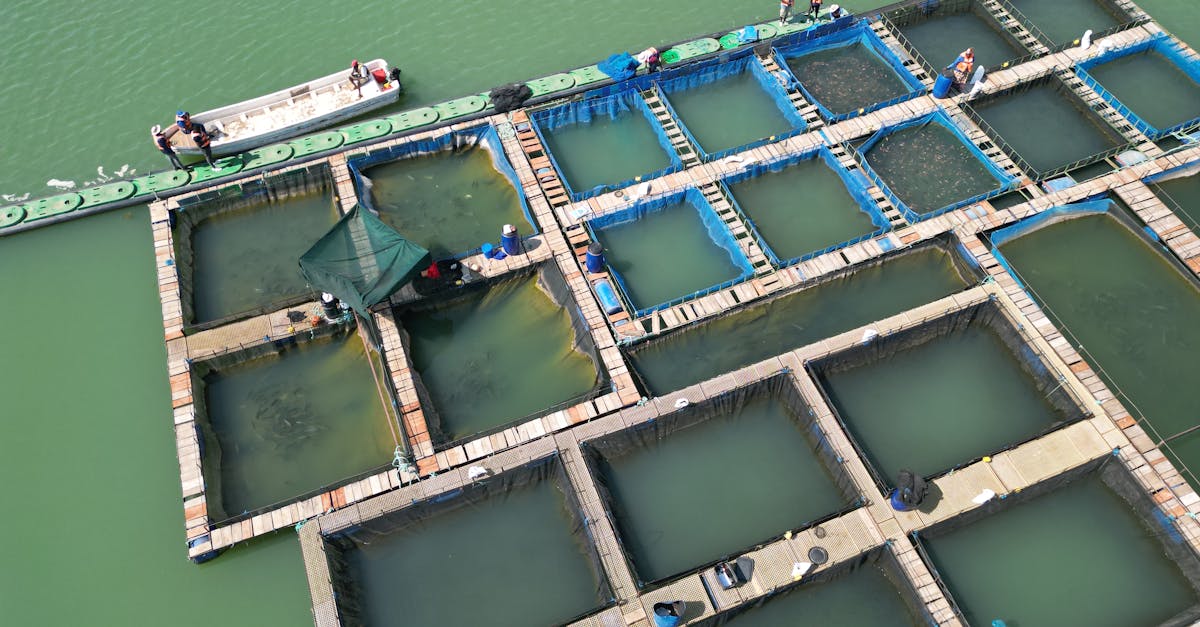
Pangasius (striped catfish, Pangasianodon hypophthalmus, sold as "pangas" or "basa") is farmed in earthen ponds in India, mainly in the Krishna and Godavari delta districts of Andhra Pradesh and in West Bengal. It is a high-volume, low-price fish: an ICAR-CIFE survey of Andhra Pradesh farms found about 36 tonnes per hectare, but profit depends almost entirely on feed cost and a farm-gate price that has crashed before.
It suits only those with a suitable pond or lease, working capital for several lakh rupees of feed per acre, and a trader or feed company that will take the whole harvest. Margins have narrowed since the early years, so it is not an easy-money fish.
Where it grows in India
- Andhra Pradesh: pond farming began around 2004 and the Krishna and West Godavari districts became the centre. ICAR-CIFA researchers report that the area peaked at about 16,000 ha in 2009-10 and then stabilised after the price crash, and that many farms were set up on ponds that had suffered shrimp disease losses or were less productive for carps.
- West Bengal: a major seed (fingerling) production area that supplied the Andhra Pradesh expansion. Chhattisgarh also breeds pangasius seed, and cage culture in reservoirs has been promoted by the National Fisheries Development Board (NFDB).
- Climate and water: a warm-water fish that is air-breathing and tolerates low oxygen and poor water quality better than carps, but low temperatures raise the risk of parasite and bacterial infection. It grows in low-salinity water too.
Species and legal check
- P. hypophthalmus is an exotic species introduced from Thailand through Bangladesh in the mid-1990s. It is different from the native Pangasius pangasius, although both are sometimes called "pangas".
- A few escaped fish have been recorded in natural waters. Ask your State Fisheries Department about permissions and pond-escape rules before you start, and keep ponds and outlets secure against flooding.
Stocking and growing
- Fingerling quality is a recurring problem. ICAR-CIFA lists scarcity of quality seed, inconsistent management and stress-related disease among the sector's main challenges. Buy from a hatchery or nursery that can give batch records, and ask your KVK or the fisheries department which suppliers are reliable.
- Stocking density depends on pond depth and aeration. A polyculture reference quoted by CIFA researchers uses pangasius and rohu at 25,000 and 1,250 per hectare (10,000 and 500 per acre) in low-salinity ponds, but most Andhra Pradesh farmers keep pangasius alone. Ask your local fisheries extension officer for a density suited to your pond depth.
- Pond management used by farmers includes agricultural lime, cow dung and probiotics. Most farmers in the survey followed a mix of rice bran and pelleted feed in two phases, with no standard feeding schedule.
- Culture runs for roughly a year. Longer culture raises costs faster than it raises fish: the CIFA review reports that extending the culture period increased production cost by 10% for only a 4% rise in production.
Feed
- Feed is the largest cost. In the ICAR-CIFE survey (Andhra Pradesh, 2011-12) feed was about 79% of variable cost: rice bran about ₹2.84 lakh per hectare and pelleted feed about ₹3.48 lakh per hectare. Seed was 12% of variable cost.
- Small farms leaned on cheaper rice bran, large farms on pellets. Matching feed type to fish size and avoiding waste is the main way to cut cost, so ask your KVK or the state fisheries department for a feeding table for your pellet brand.
Health
- The species is less prone to mass mortality than carps, but fingerlings and juveniles are the most vulnerable and parasites and bacterial infections occur. Poor water quality and cold weather raise the risk.
- Farmers use probiotics and sometimes antibiotics. Use only treatments approved for food fish, follow label and withdrawal periods, and consult the fisheries department or a fish health lab before using any antibiotic.
Harvest and yield
- Fish reach about 1 to 1.5 kg in a year. Farmers adjust stocking and harvest timing to the market, harvesting in batches when prices are good.
- Survey yield: 36,314 kg per hectare on average (about 14.7 t per acre) in the 2011-12 Andhra Pradesh survey, with small and large farms almost the same.
- CIFA's 2021 review quotes about 35 t per hectare as the usual production level in the state.
Cost and returns
| Item (Andhra Pradesh, per hectare) | 2011-12 survey (ICAR-CIFE) |
|---|---|
| Yield | 36,314 kg |
| Total cost (variable plus fixed, including land rent value) | ₹9.44 lakh |
| Cost of production | ₹25.67 per kg |
| Farm-gate price | ₹37.97 per kg |
| Gross income | ₹13.81 lakh |
| Net income | ₹4.38 lakh (about ₹1.77 lakh per acre) |
- These are 2011-12 figures; costs have risen sharply since. CIFA's 2021 review puts the cost of production in Andhra Pradesh at ₹65 to ₹70 per kg at 35 t per hectare, which is about ₹22.75 to ₹24.5 lakh per hectare (₹9.2 to ₹9.9 lakh per acre). It also reports that profit margins fell from 54% in 2004 to 18% in 2019, with a 9% loss during the COVID period.
- Arithmetic for your own pond: yield (kg) x farm-gate price, minus feed, seed, lime and probiotics, labour, harvest charges, pond rent or loan interest and power. At a cost of ₹65 to ₹70 per kg, a farm-gate price below that level loses money. Get the current price from traders before you stock.
- Both surveys are from Andhra Pradesh. No verified current figures were found for other states, so ask local pangasius farmers and the fisheries department.
Market and risks
- The market started in the North-East and spread to Uttar Pradesh, Bihar, Jharkhand, Madhya Pradesh and Maharashtra, with Ghazipur in Delhi named as a major trading centre. It sells as a low-priced white fish, so buyers are traders and local fish markets, and less often export processors.
- Prices crashed by more than half during 2009 to 2011 after a glut, and many small farmers left. Some feed manufacturers now buy back fish from their customers under contract or quasi-contract farming, which can secure a market but ties you to one feed supplier.
- Main risks: feed price rises, fingerling quality, price crashes at harvest, disease in cold weather, and flooding that can let fish escape.
💡 Tip: Before digging or leasing a pond, get a written buyer or buy-back price, and work out your break-even price per kg using today's feed and seed prices.
Finance and support
- Ask your district fisheries officer about the Pradhan Mantri Matsya Sampada Yojana and NFDB support for ponds and cages; no current rate for pangasius has been verified here.
- See KCC, which also covers fisheries working capital, subsidy finder, solar pump for aerators and pumps, and FPO for group sales and feed buying.
Sources
- Mugaonkar, Kumar and Biradar, Economics and determinants of pangas catfish production in India, Fishery Technology 56 (2019), ICAR-CIFE
- Seshagiri et al., Sustainability of striped catfish culture in Andhra Pradesh, India, Int. J. Fisheries and Aquatic Studies 9(2), 2021 (ICAR-CIFA)
- Global Seafood Alliance, Pangasius aquaculture in India (2017)