
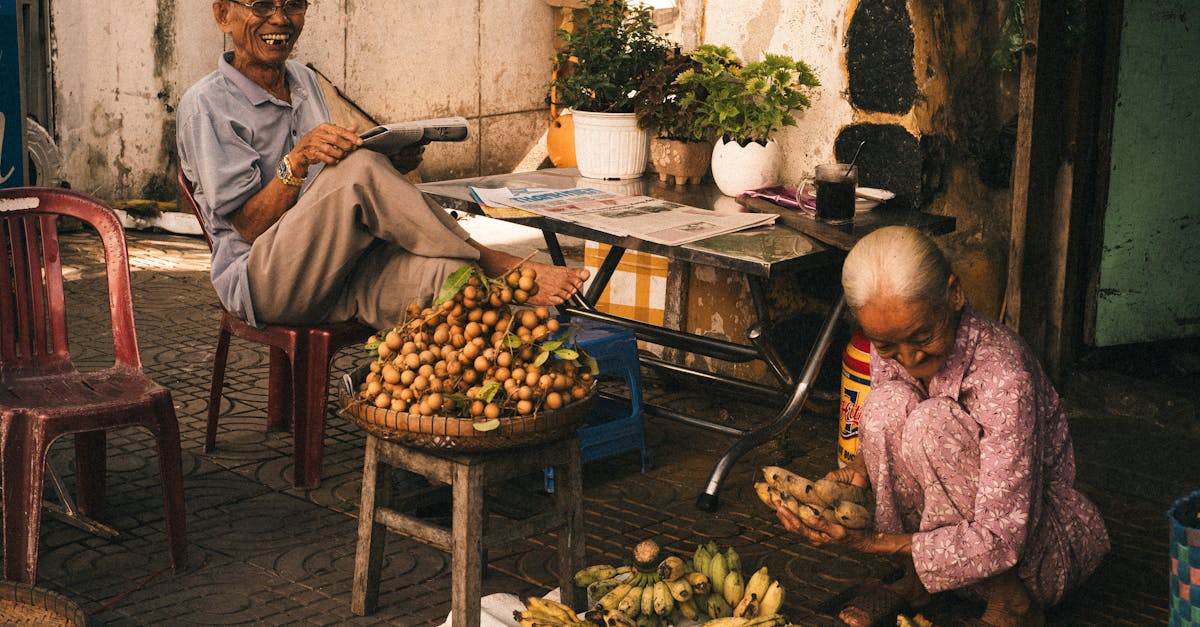
Longan is a new, small-scale fruit crop in India, grown mainly in Bihar, Jharkhand and West Bengal, with trial and hobby plantings in Kerala. It suits areas that already grow litchi, with a cool, frost-free winter, but there is no full Indian package of practices yet, so most advice is borrowed from China and Thailand and the market is thin.
The fruit is highly perishable and distant markets are limited, so plant a few trees first and settle the buyer before planting an orchard.
Where it grows in India
- States: ICAR-NRC on Litchi (Muzaffarpur) describes longan as grown on a limited scale in Bihar, Jharkhand and West Bengal, doing well in the alluvial soils of north Bihar and West Bengal, and says it can be grown in Chhattisgarh and other litchi areas. In Kerala, growers in Malappuram district and in high ranges above about 1,500 feet are reported to grow it.
- Temperature: 15 to 22 °C for 2 to 3 months in winter favours heavy flowering, and 20 to 25 °C is best for flowering and fruit set. Frost can kill or badly injure trees. Night temperatures above 25 °C hurt fruit development and temperatures above 40 °C cause fruit damage and drop.
- Soil: deep, well-drained, fertile red loam rich in organic matter, pH 5.5 to 6.0 is ideal. Soil moisture is needed from fruit set to maturity.
Varieties and planting material
| Variety | Source | Traits | Suited to |
|---|---|---|---|
| Gandaki Uday (also reported as Gandaki Longan 1) | ICAR-NRC on Litchi, Muzaffarpur; selection from material collected in West Bengal | First longan variety released in India; early maturing, regular bearer, dwarf tree; round or oblate fruit of 11 to 16 g, pulp 69 to 74%, TSS 20 to 23 degrees Brix | Litchi-growing areas of Bihar and neighbouring states |
| Kohala, Daw, Chuliang, Fuyan, Wu Yuan | Commercial varieties of China and Thailand | Not tested across Indian regions in the sources used | Imported material in Kerala; performance unproven |
- Air layering is the usual commercial method. One-year-old air-layered plants are available at ICAR-NRC on Litchi, Muzaffarpur, which is the safest source of true-to-type material. Kerala growers report grafted saplings and a range of imported varieties; buy only with a variety name and written source.
Spacing and planting
- ICAR-NRC on Litchi gives 6 to 8 m spacing, planted in the rainy season in pits of 60 x 60 x 60 cm dug two weeks ahead and filled with organic manure and phosphate fertiliser. That is roughly 63 to 112 trees per acre (156 to 278 per hectare).
- Remove polybags at planting, firm the soil around the roots, and irrigate young plants regularly.
- A Kerala report recommends about 30 feet between trees and full sun, with regular pruning.
Nutrition and irrigation
- No tested Indian fertiliser schedule per tree by age was found. Use a soil test and ask ICAR-NRC on Litchi or your KVK; litchi schedules are the closest local reference but should not be copied unchecked.
- Keep soil moist from fruit set to harvest. See drip irrigation.
- Cover fruiting trees with net to protect against birds, as practised at the Muzaffarpur centre.
Pests and diseases
- ICAR-NRC reports no major pest or disease problems in India at present, based on limited area.
- Elsewhere the longan stink bug is the most destructive pest, mating around February, and witches' broom (rosette shoot) is a serious disease. For witches' broom, cut and destroy infected shoots and flower clusters; sulphur compounds and neem oil sprays reduce attack.
- Follow the label and your KVK for any spray, and report new pests to them early.
Harvest and yield
- Fruit takes about 5 months from bloom to harvest. In India longan is harvested from July to September (NRC on Litchi). The fruit does not ripen after picking, so pick when fully ripe by skin colour and sweetness.
- Some varieties begin bearing within three years in Kerala; a four-year-old tree is reported to give around 5 kg.
- NRC on Litchi gives 100 to 120 kg per tree per year for a fully mature tree. That is a research-centre figure for trees that took many years to reach full size; no orchard-scale Indian yield survey was found.
💡 Tip: Rind browns in 3 to 4 days at 25 to 31 °C and the pulp rots within a week. Arrange cold storage or same-day sale and test the market with a small first crop.
Cost and returns
- Price: a June 2026 Kerala report gave ₹300 to ₹450 per kg. That figure is for small-volume local sales and no mandi price series exists for longan, so treat it as an upper bound that will not hold once supply grows.
- Arithmetic (illustration): a mature tree at 100 kg and ₹300 to ₹450 would gross ₹30,000 to ₹45,000, and 63 to 112 trees per acre would multiply that into ₹19 lakh to ₹50 lakh per acre, which is not realistic at scale. A young tree at 5 kg gives ₹1,500 to ₹2,250. Use a lower price and the early-year yields for budgeting.
- No verified Indian cost-of-cultivation figure was found. Costs are mainly plants, pits, irrigation, bird netting and years of upkeep before full bearing.
Market and risks
- Fresh fruit sells to city fruit sellers and Asian-cuisine or health-food buyers; dried longan ("longan nuts") is popular in Asia, and canning and juice are possible. ICAR-NRC on Litchi has developed value-added products and says shelf-life research is still needed.
- Supply is tiny, so demand at the quoted prices is untested at volume. Be careful with nurseries selling imported varieties on promises of fixed prices.
- For loans see KCC; check subsidy finder and your state horticulture department for fruit-orchard support.