
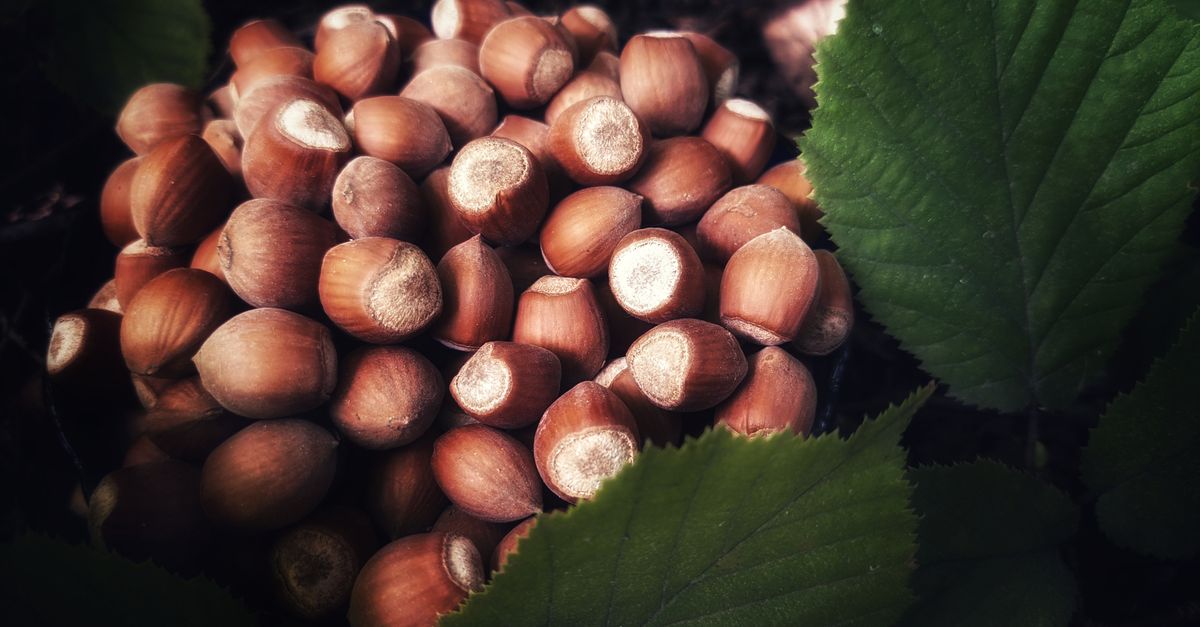
Hazelnut is not a proven commercial crop in India. It grows wild in the temperate Himalaya, and cultivars of the European hazelnut have been tried in Kashmir and Himachal Pradesh, but no verified Indian orchard record of yield, price or returns was found. Plant it only as a small trial in a cool hill area, with advice from a temperate-fruit research institute, and do not plan a livelihood around it.
That is the honest position for anyone offered hazelnut plants with promised returns. The sections below set out what is documented and what to ask before spending money.
What exists in India
- Indian hazelnut (Corylus jacquemontii): a Himalayan tree, often treated as the same species as Turkish hazel (Corylus colurna), valued by hill communities for nuts, fodder and fuel. A 2019 study surveyed natural stands in Pangi (Chamba district) and Kotkhai (Shimla district) in Himachal Pradesh at 1,800 to 3,300 m, and called for conservation and afforestation because regeneration is weak at some sites.
- Kashmir: the nut is locally called virin. SKUAST-Kashmir scientists reported that promising cultivars were introduced into Kashmir long ago but were not popularised because multiplication techniques were lacking; their 2010 study worked on rooting cuttings. Wild Corylus jacquemontii also occurs in Dachigam and Karnah (Kupwara district).
- Local names: thangi in Himachal Pradesh and bhotia badam in Uttarakhand, according to a farming article.
- Cultivated European hazelnut (Corylus avellana): cultivars have been evaluated in the Kullu valley of Himachal Pradesh, but result figures could not be verified.
Where it could be tried
- Only the cool temperate hills of Jammu and Kashmir, Himachal Pradesh, Uttarakhand and the North Eastern Himalaya are discussed as suitable. Plains and sub-tropical hills are not.
- Choose well-drained, moderately fertile soil; heavy waterlogged clay is unsuitable. These soil and site points are general orchard practice, not from a verified Indian package, so check them with the institute.
Planting material
- Seedlings from wild trees are variable and can take long to bear. Named, grafted or layered plants of cultivars that have been tested at your altitude are the only safe choice.
- Hazelnut is wind-pollinated and needs compatible pollinizer cultivars, so ask the nursery for a pollinizer plan in writing.
- Buy only from an institute or a nursery that can show the cultivar, its origin and a sale bill. Unverified planting material is the main risk in a crop with no Indian orchard track record.
Time to return and numbers
- One secondary farming article quotes a first crop around the fifth year, peak bearing between years 15 and 20, a wholesale price of ₹200 to ₹300 per kg and positive cash flow after 10 to 15 years. It cites no Indian orchard record, so these are not reliable planning figures.
- Even on those claims, a hazelnut tree is a long-term investment with no income for several years. Keep your existing crops running while any trial planting matures.
- No Indian price, yield or cost table was verified, so none is given here.
💡 Tip: Before buying plants, write to the Division of Pomology at SKUAST-Kashmir, ICAR-CITH Srinagar or Dr YS Parmar University of Horticulture and Forestry, Nauni, and ask in writing whether tested cultivars, pollinizers and a buyer exist for your altitude. If they cannot name any, treat the offer as an experiment, not a business.
Market and risks
- No organised Indian buy-back or processing market for domestic hazelnut was verified. Confirm a buyer before planting anything beyond a trial.
- Be wary of promoters selling plants with guaranteed buy-back or per-acre income claims; ask for the grower list and contact existing growers yourself. See FPO for group selling and subsidy finder for horticulture support; no hazelnut-specific subsidy was verified.
- Another temperate hill nut with a longer Indian record is covered under walnut.
Sources
- Influence of different physiological stages of cuttings and plant bioregulators on rooting potential of hazelnut, SKUAST-Kashmir (Indian Journal of Horticulture, 2010)
- Natural regeneration status of Indian hazelnut (Corylus jacquemontii) in western Himalaya of Himachal Pradesh (Journal of Pharmacognosy and Phytochemistry, 2019)
- Krishi Jagran, Hazelnut farming (secondary source)