
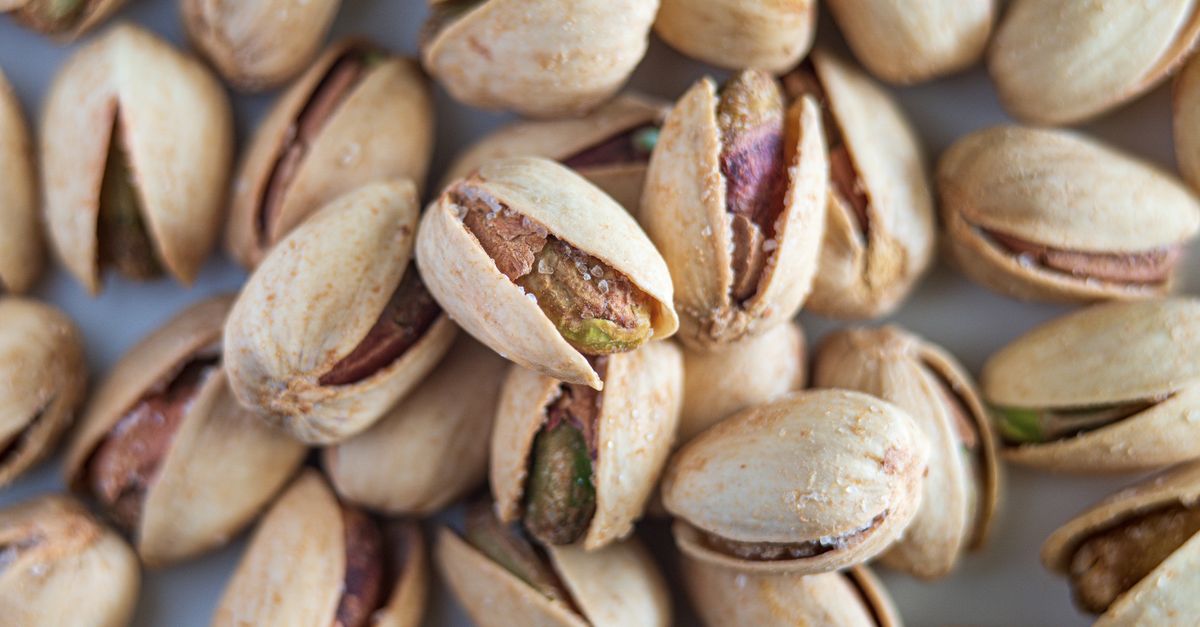
There is no commercial pistachio farming in India today, and the country imports almost all the pistachio it eats. Planting it is a long, high-risk experiment that only makes sense on a small plot, in the cold-winter, dry-summer pockets of Jammu and Kashmir and Ladakh, and after a research station has confirmed the site suits it.
Pistachio (Pistacia vera) needs a long winter chill and a long, hot, dry summer, takes about 5 years to start bearing and 10 or more to reach full crop, bears heavily in alternate years, and needs separate male and female trees. No Indian yield trial or price record was found for this crop, so the figures below are mostly from farming guides and from California and Iranian research and should be treated as pointers, not Indian promises.
Where it might grow in India
- Status: trade reports in September 2026 say India has no commercial pistachio cultivation and forecast imports and consumption of about 55,000 tonnes in 2026/27, supplied mainly by the United States (37%) and Iran (33%).
- Areas named by farming guides: Jammu and Kashmir, the dry temperate parts of Leh and Kargil, and high valleys in Himachal Pradesh. These claims come from secondary guides; no ICAR or state university trial report was found confirming fruiting at any of them.
- Climate: pistachio needs hot, dry summers (guides quote day temperatures above 36 °C) and winter cold of around 7 °C or below to break dormancy; at high elevations with cool summers, trees struggle. Most of the humid plains and hills of India lack this combination.
- Soil: choose deep, well-drained land; ask the research station about soil tests for your site.
Varieties
| Variety | Origin | Traits (California data) | India status |
|---|---|---|---|
| Kerman | Selected in USA from Iranian seed, released 1957 | Large yields of large nuts; strong alternate bearing; some years many blank and unsplit nuts | Named in farming guides for Jammu and Kashmir; no Indian trial data found |
| Joley | Selected at UC Davis from Iranian seed | Good flavour, but small nuts and low yield in young California trees | Named in guides; unverified |
| Red Aleppo | Syria | Splits and yields well, smaller nut than Kerman | Named in guides; unverified |
| Peter, Chiko | Listed in farming guides | Whether a given type is a nut-bearing female or a male pollinator should be confirmed with the nursery | Ask a research station |
- A cultivar that does well in one country often fails in another (California trials showed this for several Iranian types), so only a local trial can tell which one suits a given Indian site.
- Nursery trees are budded onto rootstock. Imported planting material needs plant quarantine clearance; ask the state horticulture department and the nearest ICAR or SKUAST station.
Spacing, pollination and care
- Spacing (farming guide): 6 x 6 m in irrigated gardens, about 112 trees per acre (278 per hectare); 8 x 10 m in non-irrigated areas, about 50 trees per acre (125 per hectare).
- Pollination: male and female flowers are on different trees, so one male tree is needed for every 8 to 10 female trees (guide figure). The male must flower at the same time as the female variety.
- Water and nutrition: no Indian schedule was found. Ask the nearest KVK or horticulture university for a schedule suited to your soil.
- Pests and diseases: the California cultivar review notes Botryosphaeria blight, which hit early-flowering types such as Aegina hardest. Indian pest records for the crop were not found.
Bearing and yield
- Farming guides say budded trees start fruiting at about 5 years, give meaningful crops by year 7 to 8 and reach full production around year 12. These are secondary figures.
- One guide quotes 8 to 10 kg per fully grown tree; at 112 trees per acre that is about 900 to 1,100 kg per acre, but it is not an Indian trial result, and it is unclear whether it means in-shell or kernel weight.
- Alternate bearing means a heavy crop one year and a light one the next; plan cash flow on the average, not the best year.
Cost, returns and market
- No reliable Indian cost of cultivation or farm-gate price was found, so no profit figure is given here. A tree that bears nothing for 5 years and a full crop only after about 12 means a long wait without income; compare that to faster nut crops before committing.
- Demand is not the problem, since India imports about 55,000 tonnes a year. The open question is whether trees will crop at all in your climate.
- Pistachio is not covered by a minimum support price (see MSP), and no subsidy rate for it was verified; check subsidy finder and your state horticulture department. For a better-established nut crop in cold areas, see almond and ask your KVK.