
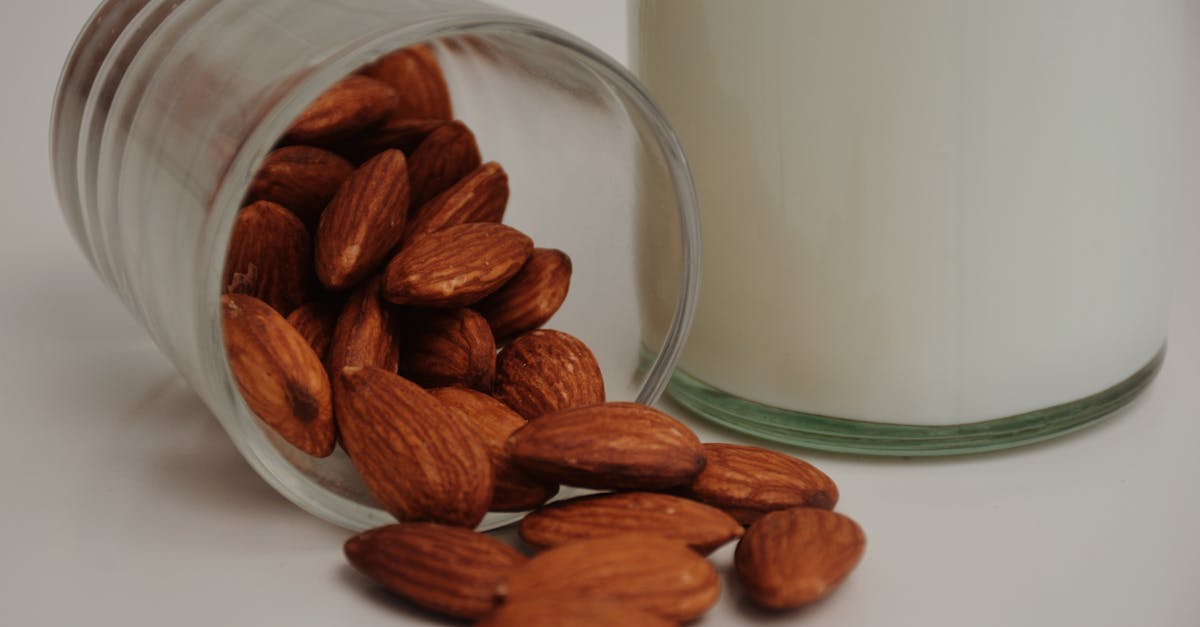
Almond works in India only in a few cold, frost-free-in-spring valleys, mainly Kashmir, with some in Himachal Pradesh, and even there the area has been shrinking because returns, markets and spring frost have all been poor. Anyone planning a new orchard should treat it as a long, risky investment that depends on improved varieties, pollinizers and a buyer lined up in advance.
Reported figures show the fall: Kashmir almond orchards declined from 16,374 hectares in 2006-07 to 4,177 hectares in 2019-20, and production from 15,183 tonnes to 9,898 tonnes, as growers switched to apple. India's national almond productivity was reported in 2013 at about 0.73 tonne per hectare against a world average near 1.5 tonnes.
Where it grows in India
- Kashmir valley: the centre of Indian almond growing; Kashmir is reported to produce over 90% of the country's almonds. Smaller areas are in Himachal Pradesh.
- Climate: almond needs winter cold to flower properly, but it blossoms early, so spring frost and hail at flowering are the main hazards identified by ICAR-CITH.
- Not suited to plains or warm regions. Do not buy plants for the plains on the basis of a nursery claim.
- Old orchards: many Kashmir orchards are decades old and give low, poor-quality yield, which is why rejuvenation and replanting with better varieties are promoted.
Varieties and pollination
| Variety | Source | Traits |
|---|---|---|
| Waris | ICAR-CITH, Srinagar | Medium, soft nuts with about 48% shelling; growth habit suits high-density planting; performed better than Makhdoom and Shalimar for growth and yield in a Kashmir trial |
| Makhdoom | ICAR-CITH, Srinagar | Soft nuts with about 42% shelling; grown in Jammu and Kashmir and Himachal Pradesh |
| Shalimar | ICAR-CITH, Srinagar | Spreading habit, about 50% shelling; described as suited to export |
| Pranyaj, Nonpareil | Named with Waris as promising cultivars for the main almond areas (Indian Horticulture, 2018) | Ask CITH for performance at your elevation |
- Almost all almond cultivars are self-sterile and need a different, compatible variety flowering at the same time. A few, such as Nonpareil, are also cross-sterile with some others, so do not choose pollinizers by guess; get the pairing from CITH or SKUAST-Kashmir.
- Soft-shelled varieties give far less yield than the traditional hard-shell types under the same conditions according to reports from Kashmir growers, which is one reason their returns disappoint. Check nut type and price with the buyer.
Planting and spacing
- A three-year ICAR-CITH Srinagar trial tested spacings from 1,600 to 625 plants per hectare (about 650 to 250 per acre) on Makhdoom, Waris and Shalimar. Lower density gave larger trees and bigger nuts and kernels, but the highest density gave the highest yield, 4.01 tonnes per hectare.
- Traditional orchards use much wider spacing and take many years to fill. High-density planting needs training, pruning and frost management, so start small and get orchard training from the university or KVK.
- Plant only grafted trees from an ICAR, state university or state horticulture department nursery, with the variety name on the bill.
Nutrition, irrigation and care
- Fertiliser doses for almond vary with age, soil and variety, so follow a soil test and the package of practices from SKUAST-Kashmir or the Himachal horticulture university; see fertilizers.
- Prune annually to keep an open canopy. CITH rejuvenates old trees by pruning first-order branches in December to January and then top-grafting with Waris, with a suitable pollinizer variety.
- Protect the flowers from spring frost where possible, choosing sites with good air drainage, and consider hail nets only after costing them.
- Birds cause severe damage to ripening nuts in some Kashmir orchards; plan scaring or netting.
Harvest and yield
- The best Kashmir valley figure is the CITH high-density trial maximum of 4.01 tonnes per hectare (about 1.6 tonnes per acre) under good management; national average productivity was reported in 2013 at about 0.73 tonne per hectare (about 0.3 tonne per acre). Plan on the average until your own orchard proves otherwise.
- Hull removal is labour-heavy: a Kashmir report notes that 5 kg of green almonds give only 2 to 3 kg of finished nuts after cleaning.
- Years to first crop and full bearing for grafted trees depend on variety and site; ask CITH for the figures for the variety you choose.
Cost and returns
- Orchard budgets differ widely by variety, spacing and market. Ask SKUAST-Kashmir or the state horticulture department for a current economics note for your variety and spacing.
- Income per acre = kg of nuts or kernels per acre x price per kg, minus yearly costs of labour, hull removal, spray, pruning, frost and bird protection. Check current rates in mandi bhav and with dry fruit traders.
- Growers who left almond reported that returns no longer justified the effort; compare against apple, which many Kashmir farmers chose instead.
Market and selling
- India imports most of the almonds it eats, so competition on price is strong. Kashmir growers have complained of weak market access, few processing facilities and no dedicated dry fruit market in the valley, with trade concentrated in Jammu's Narwal mandi.
- Quality is graded by shelling percentage, kernel size and colour; only a small share of older orchards' production meets eating standard, with the rest going for oil.
- Selling through an FPO that hulls, grades and packs can improve price; see FPO and export buyers. Government support for replanting varies by state and year; ask your state horticulture department.
💡 Tip: Visit a CITH or university demonstration plot and a working grower before buying plants, and confirm the pollinizer pairing in writing.