
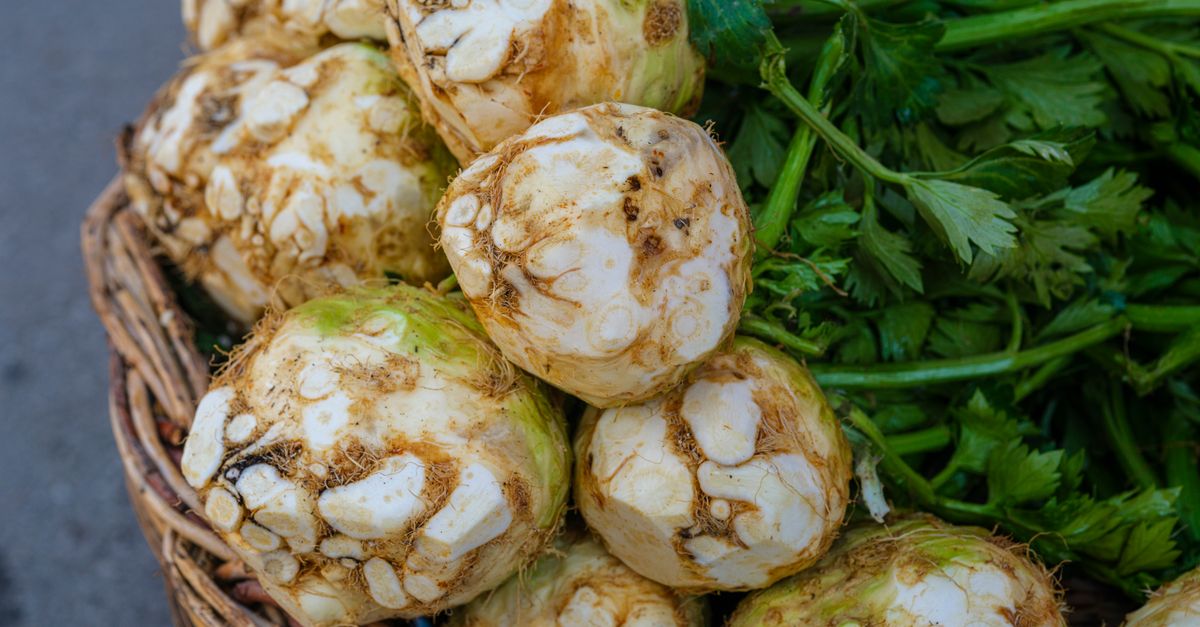
Celery grows in India as two different crops. Seed celery, a seed spice, is a long winter crop grown mainly in Punjab, with Haryana, western Uttar Pradesh and Rajasthan, and is the version with an established seed trade. Stalk celery for hotels and juice bars is a small niche crop, best known from the Nilgiris in Tamil Nadu, where TNAU released the variety Ooty-1.
Decide which one you are planting before anything else, because the variety, spacing, harvest age and buyer are all different. Stalk celery needs a buyer arranged in advance; no verified Indian wholesale price series for stalks was found, so check rates with hotels, caterers and the nearest mandi before planting.
Where it grows in India
- Seed celery: the NHB model project report puts celery at about 5,000 ha, with Punjab producing about 90% of the total, followed by Haryana and western Uttar Pradesh. Key districts named are Amritsar, Gurdaspur, Jalandhar, Ladwa and Saharanpur. ICAR-NRCSS, Ajmer, has released Ajmer Celery-2 for Rajasthan.
- Stalk celery: TNAU recommends Ooty-1 for the Nilgiris hills and lists three seasons there: February to April, April to June and August to October.
- Soil: fertile, well-drained soil with pH 6 to 6.5 for Ooty-1 (TNAU); A-Cel-2 suits clay loam to sandy loam with good drainage, under irrigation.
Varieties
| Variety | Source | Traits | Suited to |
|---|---|---|---|
| Ooty-1 | TNAU | About 115 days to harvest; 30.5 t/ha vegetable yield (30.3% above local); plants 72 cm; keeps 8 days after harvest; resistant to leaf spot, root nematode, whitefly and aphid; seed oil 1.71% | Nilgiris and similar cool hills, stalk and leaf use |
| Ajmer Celery-2 (A-Cel-2) | ICAR-NRCSS, Ajmer (notified for Rajasthan) | Seed spice; 175 to 200 days; 874 kg/ha average seed yield, 23.2% above A-Cel-1; essential oil 6.74%; erect, lodging resistant | Rajasthan, irrigated rabi crop |
| PRL-85-1, EC-99249-1 | Named in the NHB model report | PRL-85-1 is reported to give a high seed yield | Seed celery in the north; confirm availability with PAU or your seed supplier |
Nursery, spacing and planting
- Seed and nursery: celery seed is tiny and slow. TNAU gives 1.25 kg of seed per hectare (about 0.5 kg per acre) for Ooty-1, germinating in about 3 weeks with seedlings ready at about 75 days on raised beds 1 m wide and 15 cm high. A-Cel-2 uses 2.5 to 3 kg seed per hectare, with the nursery sown in the first week of November.
- Seedling age: the NHB model uses 60-day seedlings 12 to 15 cm tall transplanted in early December.
- Spacing: 30 x 30 cm or 40 x 25 cm (NHB model), about 44,000 or 40,500 plants per acre (111,000 or 100,000 per hectare). A-Cel-2 is planted at 50 x 30 cm, about 27,000 plants per acre (66,700 per hectare).
Nutrition and irrigation
- Seed crop (NHB model): 20 to 30 t FYM per hectare (8 to 12 t per acre) at land preparation; 100 to 150 kg N in three splits, 40 to 60 kg P2O5 and 40 to 60 kg K2O per hectare (40 to 61, 16 to 24 and 16 to 24 kg per acre), with magnesium and boron if the soil needs them. A-Cel-2 was grown at 80:50:50 NPK per hectare (32:20:20 per acre).
- Ooty-1 (TNAU): 30 t FYM per hectare plus 5 t bio-compost and 5 t vermicompost, 1.25 t neem cake, with Azospirillum, phosphobacteria and mycorrhiza at 10 kg each and Trichoderma and Pseudomonas at 2.5 kg each per hectare. Irrigate once a week. TNAU gives organic schedules only; for chemical doses on a stalk crop, ask the nearest KVK or horticulture department and base it on a soil test. See fertilizers.
- Water: A-Cel-2 needs 4 to 5 irrigations and is meant for irrigated land only. Celery is shallow-rooted and needs steady moisture, so drip suits it.
Pests and diseases
- Ooty-1 is listed as resistant to leaf spot, root nematode, whitefly and aphid, and no disease infection and only low aphid and Nysius numbers were recorded on A-Cel-2. Resistance does not remove the need to scout.
- For any spray, use the product and dose on the label and local KVK advice; see pests.
Harvest and yield
- Stalk celery: Ooty-1 is harvested at about 115 days, yield potential 30.5 t/ha (about 12.3 t per acre). It stays fresh for about 8 days, so sell within a week.
- Seed celery: the NHB model gives 10 to 13 q of dry seed per hectare (4 to 5.3 q per acre), and A-Cel-2 averaged 874 kg per hectare (about 350 kg per acre) in trials. The crop takes 175 to 200 days. Seed contains 2 to 3% volatile oil, and the harvested seed is also sold for oil.
Cost and returns
- Stalk celery: no verified Indian cost-of-cultivation table was found. Work it out as 12 t per acre x percentage of marketable stalk x price per kg, less seedling, labour, manure, irrigation and packing cost.
- Seed celery: NHB's one-acre model shows a project cost of ₹125,100, annual returns of ₹40,000 on 5 q per acre, IRR 12.04% and payback of 6.4 years. This model is old and its price base is dated, so recalculate with the seed rate you are quoted today.
💡 Tip: Sign or confirm a buyer first. For stalks, ask a hotel or juice-bar supplier what stalk length, bleaching and packing they accept; for seed, ask a spice trader for a rate and moisture limit.
Market and selling
- Stalk celery goes to metro hotels, caterers, juice bars and supermarkets, and the volume is small, so an oversupply can drop the price quickly. Nearby leafy exotics such as parsley have the same buyers.
- Celery seed is sold to spice traders and oil and extract makers. Because the crop occupies the land for six months or more for a low seed yield, compare the return with wheat, potato or other winter crops before committing land.
- Groups can sell together through an FPO; credit is available on a Kisan Credit Card.