
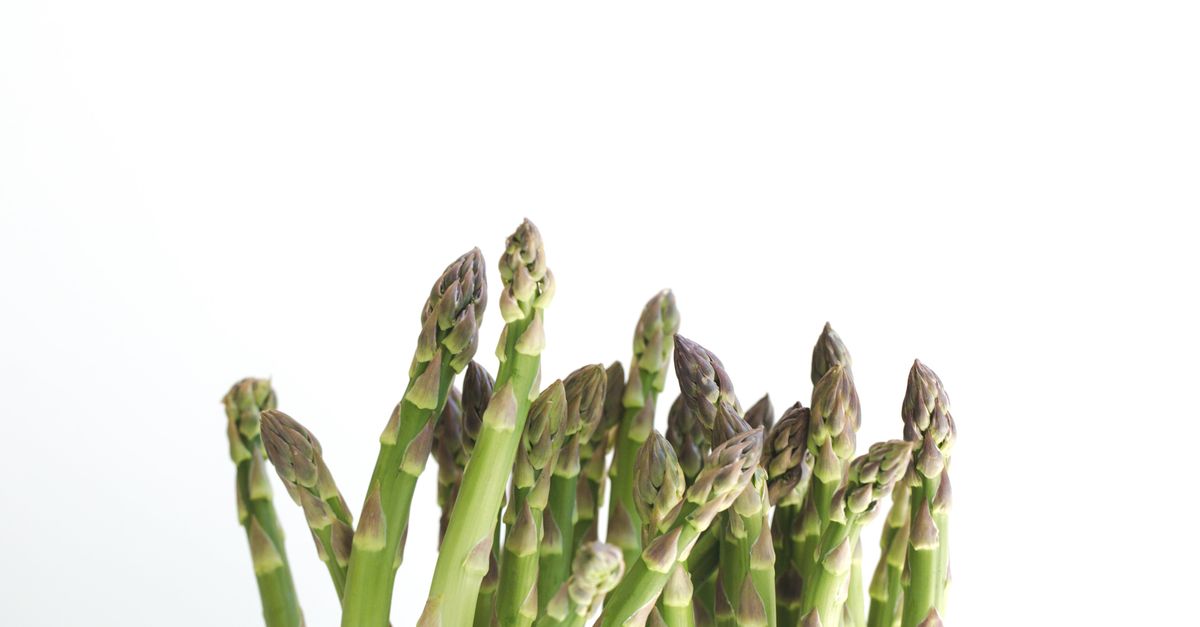
Green asparagus (Asparagus officinalis) is a perennial vegetable that is still a niche, contract-driven crop in India. The few organised efforts reported are in the Bangalore and Tamil Nadu region, and the sensible way in is a written buy-back with an exporter or hotel supplier, a small trial plot, and enough cash to wait two to three years before the bed pays properly.
No ICAR institute or state agricultural university package of practices for green asparagus was found, and no Indian trial yield figure was found either. The agronomy below comes from a US university extension service, which describes temperate conditions, so treat it as a framework and ask your buyer's agronomist for the local schedule.
Which asparagus is this?
- This guide covers the green vegetable spear, Asparagus officinalis. Shatavari (Asparagus racemosus) is a different medicinal root crop with a different market; see shatavari.
- White asparagus is the same species blanched by excluding light, and it is a separate market.
Where it can work in India
- A FreshPlaza trade report describes Anusaya Fresh, an Indian exporter, working with 75 farmers around Bangalore and in Tamil Nadu, setting up a collection centre and cold-chain links, with Gulf markets in view. It does not state yields, varieties or prices.
- Extension guidance from Pennsylvania State University asks for well-drained soil with good moisture retention and pH 6.2 to 7.0, and it warns against planting where asparagus grew before, because the plant's own residues and Fusarium (which can persist up to 7 years) harm new crowns.
- Most published guidance comes from regions with a cold or dormant season. Hot, humid Indian conditions are different, so insist on a supplier and a buyer with working fields in a comparable climate zone before you commit land.
Planting material and spacing
- Growers start either from greenhouse transplants raised 8 to 10 weeks before field planting, or from one- or two-year-old crowns. Ask the supplier which variety it is, where the crowns were grown and whether the plants are disease-free; asparagus is a many-year commitment, so poor planting stock cannot be fixed later.
- Penn State's spacing is about 12 inches (30 cm) apart in the row with 5 to 6 feet (1.5 to 1.8 m) between rows, about 12,000 to 14,000 plants per acre (30,000 to 34,500 per hectare), planted in an 8-inch deep furrow that is filled in gradually through the season. Indian spacing recommendations for green asparagus were not found, so confirm with your buyer.
Nutrition, water and care
- No Indian fertiliser schedule for green asparagus was found. Use a soil test, add plenty of well-rotted manure before planting (the bed stays for years) and agree a schedule with your buyer's agronomist; see fertilizers.
- Good drainage is essential because the crown rots in waterlogged soil. Drip with raised beds suits it; see drip irrigation.
- After the harvest window the ferns are left to grow, because they rebuild the crown's reserves for next year's spears.
Pests and diseases
- Penn State lists asparagus beetles and Japanese beetles (US pests) as the main insects, and Fusarium root rot and rust as the main diseases, managed by drainage and tolerant cultivars. Indian pest problems on this crop were not documented in the sources found, so ask your KVK or the state horticulture department, and follow the label for any product used on a vegetable eaten fresh; see pests.
Harvest and yield
- The crop is deliberately harvested lightly at first so the crowns can build up. In the Penn State schedule the harvest window is about 7 days in year 1, 14 days in year 2, 3 weeks in year 3, 30 to 36 days in year 4 and 6 to 7 weeks from year 5.
- Spears are cut when at least 7 inches (18 cm) tall and at least 5/16 inch (about 8 mm) thick.
- A realistic Indian yield per acre or hectare was not found. Ask the buyer for the yields their existing growers actually delivered, by year, before you plan cash flow.
💡 Tip: Ask for a written contract that states the grade rules, the price per kg, who collects and when you are paid. Plant one-eighth of an acre first, since you will not know whether your site, crowns and buyer work together until the second or third harvest.
Cost and returns
- No audited Indian cost or profit data for green asparagus was found. Published farm-blog figures are mostly brochure estimates.
- Price signal: Agmarknet-based price sites show about ₹207 to ₹210 per kg for asparagus at two Madhya Pradesh APMCs; arrival volumes and the form of the product are not stated, so this is not a benchmark for export-grade green spears.
- To work it out: total up crowns (12,000 to 14,000 per acre at the spacing above), land preparation, drip, labour, packing and cooling, then spread this over the harvest years. For example, if the buyer pays ₹X per kg, your break-even yield per acre is total yearly cost divided by ₹X. Remember that years 1 to 3 give little or nothing to sell.
Market and risks
- Buyers are hotels, restaurants, modern retail, online grocers and exporters. A FreshPlaza report says the GCC countries import over 50,000 kg of asparagus a day from various sources, which shows the demand but not that Indian growers can meet the price. See export buyers.
- Spears are perishable and need cooling soon after cutting; plan collection and cold storage before the first harvest. See cold storage subsidy.
- Main risks: a long wait before income, crowns that do not suit the local climate, and reliance on one buyer. Be careful with sellers who promise assured buy-back or fixed returns and earn from selling planting material. Group selling through an FPO can share cooling and transport costs.
- A confirmed current subsidy rate for asparagus was not found; ask the district horticulture officer and check the subsidy finder.