Aphids Control
Symptoms
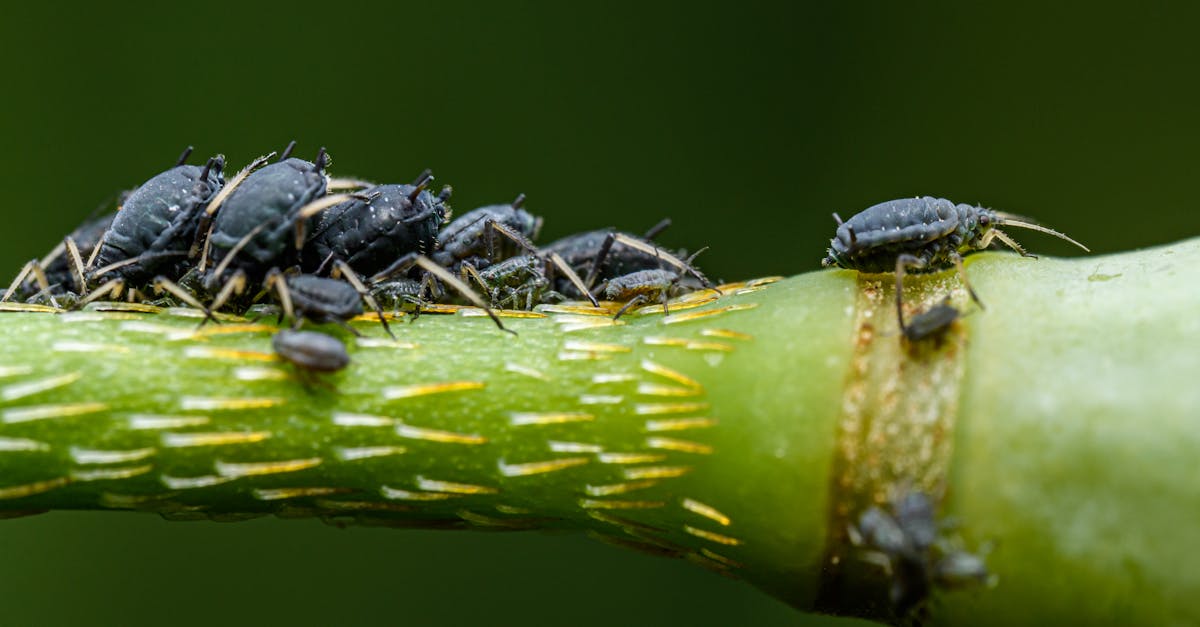
Small soft green, yellow or black insects cluster on tender shoots, the underside of leaves and on buds, sucking sap so that leaves curl, crinkle, turn yellow and growth is stunted. They excrete sticky honeydew on which black sooty mould grows, blackening the leaves. Ants are often seen moving among the aphids. Importantly, aphids spread several virus diseases, especially in potato, where they transmit leaf roll and mosaic viruses.
Damage
Aphids damage solanaceous crops directly by sucking sap and stunting growth, and indirectly by spreading virus diseases, which is their most serious effect, especially in potato seed crops. Sooty mould on honeydew reduces leaf function and fruit quality. They multiply extremely fast in cool dry weather and large colonies can build up quickly. In potato grown for seed, aphid control is critical because virus spread by aphids degrades the seed and lowers future yields.
Organic & cultural control
Use yellow sticky traps to monitor and trap winged aphids. Encourage and conserve natural enemies like ladybird beetles, lacewings and syrphid flies, which eat large numbers of aphids, by avoiding unnecessary sprays. Spray neem oil at 5 ml per litre or neem seed kernel extract at 5 percent, or a strong jet of water to dislodge aphids in light infestations. A spray of Verticillium lecanii works in humid weather. Remove heavily infested shoots and control weed hosts and ants.
Chemical control
If aphids cross the threshold or virus risk is high, spray a recommended insecticide such as imidacloprid, thiamethoxam, acetamiprid, flonicamid or dimethoate, covering the underside of leaves and tender shoots where aphids hide. Rotate insecticide groups to avoid resistance and avoid overusing neonicotinoids. Spot spray patches rather than the whole field where possible to protect natural enemies. Always follow the product label dose, observe the pre harvest interval and consult your KVK or agronomist before spraying.
Always follow the product label, the recommended pre-harvest interval, and your local KVK or agronomist. Pesticide approvals change, so verify before use.
Prevention
Use healthy seedlings and certified virus free seed tubers for potato. Monitor with yellow sticky traps and scout tender shoots and leaf undersides regularly, especially in cool dry weather. Conserve natural enemies by avoiding broad spectrum sprays and excess nitrogen, which produces soft growth aphids love. Remove weed hosts on bunds, and in seed potato follow recommended planting and haulm cutting dates to escape the peak aphid period and reduce virus spread.
FAQs
Why are aphids especially dangerous in seed potato?
Can I control aphids without spraying chemicals?
Why do ants gather where there are aphids?
Get advice from farmers on your crop problem
Ask the community