
Best Fertilizer for Capsicum in India
Capsicum or bell pepper (Capsicum annuum), called Shimla mirch, is a high-value, fruit-bearing vegetable that crops over several months and so needs a steady, well-split nutrient supply. Bal
Overview
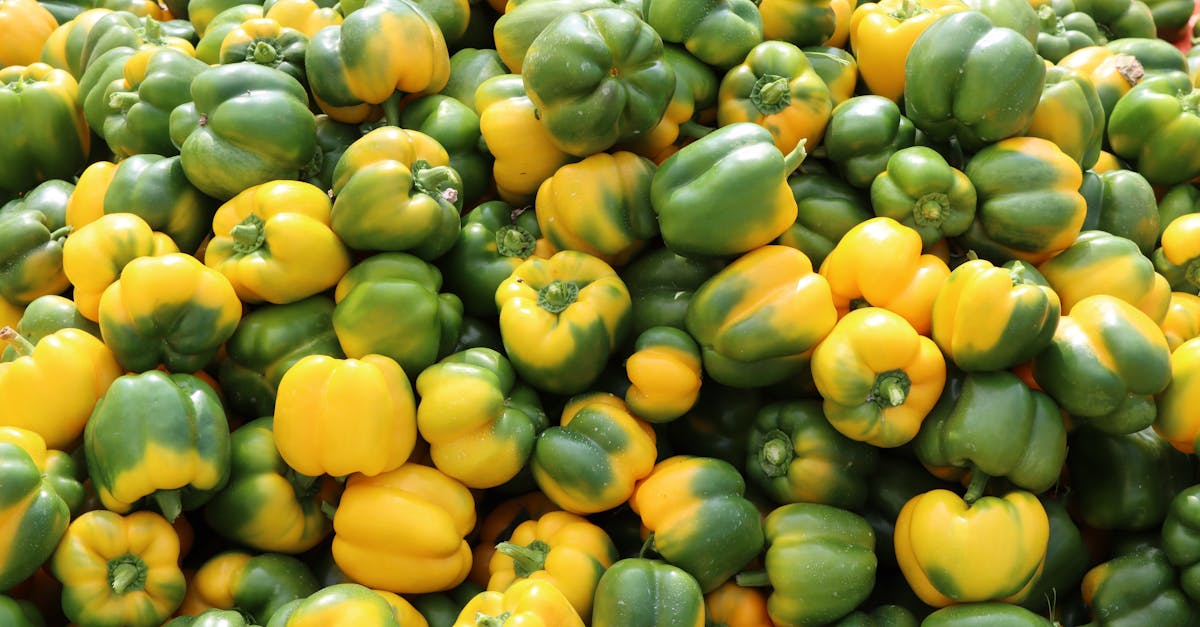
Capsicum or bell pepper (Capsicum annuum), called Shimla mirch, is a high-value, fruit-bearing vegetable that crops over several months and so needs a steady, well-split nutrient supply. Balanced nitrogen, phosphorus and potash build a strong plant, good flowering and firm, well-sized fruit, while calcium is critical to prevent blossom end rot, the sunken black patch on the fruit base. Because capsicum fruits continuously, potash and calcium demand stays high through the picking season. The crop is widely grown both in open fields and under polyhouse with fertigation. Generous farmyard manure builds the soil base, supported by split top dressings or water-soluble feeds. Always set your dose from a Soil Health Card soil test and confirm with your local KVK, as open-field and protected crops have very different schedules.
Recommended NPK dose for Capsicum
For open-field capsicum a common recommendation is about 100 to 150 kg nitrogen, 50 to 75 kg phosphorus and 50 to 75 kg potash per hectare, which is roughly 40 to 60 kg N, 20 to 30 kg P and 20 to 30 kg K per acre, with farmyard manure at 20 to 25 tonnes per hectare. Polyhouse crops under fertigation receive higher total nutrients spread over the long cycle. These are general ranges; your real dose must come from a soil test. Confirm the final figures with your Soil Health Card and KVK.
Application schedule
Apply the full phosphorus, half the potash and one third of the nitrogen as a basal dose at transplanting. Give the remaining nitrogen and potash in two or three top dressings at about 30, 50 to 60 and 75 to 90 days after transplanting, timed with flowering and fruit set, each followed by irrigation. In polyhouse, deliver nutrients through regular fertigation with water-soluble grades such as 19:19:19 early and high-potash and calcium nitrate feeds during fruiting to support yield and prevent blossom end rot.
Organic & bio-fertilizers
Apply 20 to 25 tonnes of well-rotted farmyard manure or compost per hectare at land preparation, mixed well into the soil. Vermicompost at 5 tonnes per hectare improves soil structure and gives firm fruit. Adding biofertilisers such as Azotobacter, phosphate-solubilising bacteria and Trichoderma improves nutrient supply and root health and helps suppress soil-borne disease. A balanced organic base steadies calcium and potash supply, which directly lowers the risk of blossom end rot during heavy fruiting.
Micronutrients & deficiency signs
Calcium is the most important secondary nutrient for capsicum, as its shortage during fruiting causes blossom end rot, a sunken dark patch at the fruit tip, made worse by uneven watering. Maintain steady soil moisture and use calcium nitrate sprays or feeds during fruiting. Boron supports flowering and fruit set; its deficiency causes flower drop and corky fruit. Zinc, iron and magnesium deficiencies show as yellowing leaves and can be corrected with foliar sprays. Apply micronutrients only on the basis of soil-test results.
Tips & cautions
Do keep soil moisture steady and supply calcium to prevent blossom end rot. Do split nitrogen and potash to match flowering and fruiting. Do use generous well-rotted FYM. Don't let the soil swing between dry and waterlogged, as this triggers blossom end rot. Don't over-apply nitrogen, which burns roots, delays fruiting and lowers quality. Don't broadcast fertiliser on wet foliage. Always stake or support plants, mulch to hold moisture, and confirm your dose with the KVK.
These are general recommendations. For the exact dose, follow your Soil Health Card / soil test and local KVK, and avoid over-applying urea.
FAQs
How do I prevent blossom end rot in capsicum?
How much fertiliser does open-field capsicum need?
How is fertiliser given in polyhouse capsicum?
Why are capsicum flowers dropping?
Capsicum pests & diseases
Get advice for your soil and crop
Ask farmers Capsicum price Fertilizer stock