
Tobacco Caterpillar (Spodoptera) Control
Symptoms
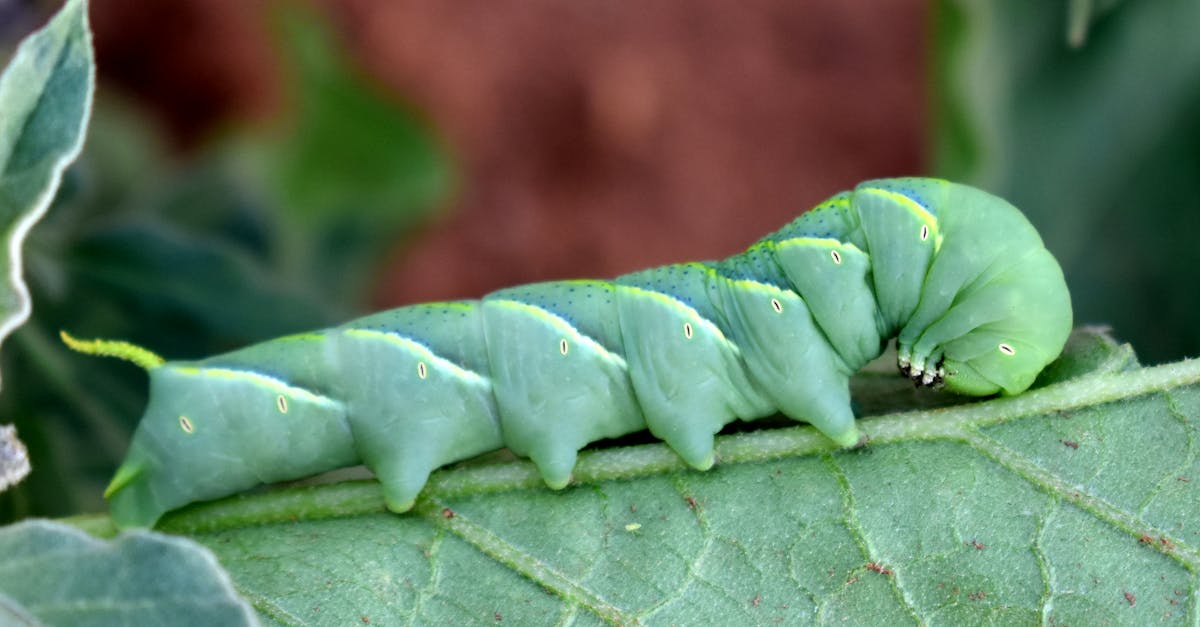
Young caterpillars feed together in groups and scrape the leaf, leaving a papery, skeletonised, see through patch. As they grow they spread out, feed at night and eat large holes in leaves, sometimes stripping plants bare, and also bore into fruits. During the day they hide in the soil and under debris at the base of plants. Egg masses covered with brownish hair are laid in clusters on the underside of leaves.
Damage
Tobacco caterpillar Spodoptera litura is a serious polyphagous pest that can defoliate tomato and chilli quickly during heavy outbreaks and lower yield sharply. Because the caterpillars feed at night and hide in the soil by day, damage often appears suddenly and sprays fail if not timed for evening. It attacks many crops including castor, soybean and cabbage, so it is widespread and can move into vegetable fields from surrounding crops.
Organic & cultural control
Collect and destroy the leaves bearing egg masses and groups of young caterpillars by hand in the early stages, which is very effective since they cluster together. Use pheromone traps at 5 per acre to monitor and trap males and light traps to catch adult moths. Spray Spodoptera NPV virus, Bacillus thuringiensis or neem seed kernel extract at 5 percent against young larvae. Set bird perches, and use poison bait of rice bran, jaggery and an approved insecticide placed in the evening to catch the night feeding larvae.
Chemical control
For grown caterpillars that escape biological control, spray insecticides such as emamectin benzoate 5 SG, spinosad 45 SC, chlorantraniliprole 18.5 SC, novaluron or flubendiamide in the evening when larvae come out to feed. Direct the spray to the base of plants and soil where larvae hide. Rotate insecticide groups to manage resistance, which is common in this pest. Always follow the product label dose, observe the pre harvest interval and consult your KVK or agronomist before spraying.
Always follow the product label, the recommended pre-harvest interval, and your local KVK or agronomist. Pesticide approvals change, so verify before use.
Prevention
Deep summer ploughing kills pupae resting in the soil. Keep fields and bunds free of weeds that harbour the pest and remove crop residue after harvest. Monitor with pheromone and light traps to detect the first moths and scout the underside of leaves for egg masses. Grow castor as a trap crop on borders to attract egg laying, then destroy the egg laden castor leaves. Act early while caterpillars are small and still in groups, as control becomes very hard once they grow and scatter.
FAQs
Why do my sprays fail against tobacco caterpillar even after spraying?
What is the easiest early step to control this caterpillar?
Can a trap crop help against tobacco caterpillar?
Get advice from farmers on your crop problem
Ask the community