
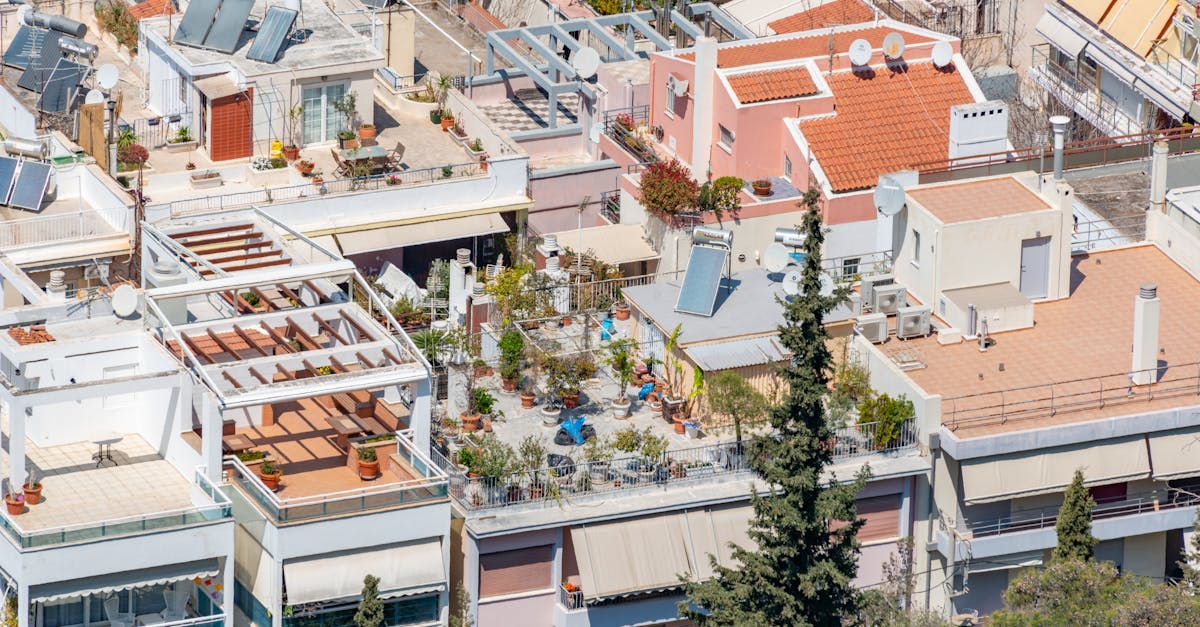
Terrace farming works for any household with a safe, waterproofed roof that gets 6 to 8 hours of sun: leafy vegetables, tomatoes, brinjal, chillies, gourds and herbs grow well in grow bags and pots, and ICAR-linked guides report that yields can match field crops when plants get intensive care. It is a way to cut your own kitchen vegetable bill and eat pesticide-free produce; a roof does not realistically replace a farm income, and no verified Indian data shows a commercial terrace garden out-earning its labour and input cost.
The real risks are structural, not horticultural: a roof that leaks or cannot carry the weight of wet soil, and a garden that is abandoned in the first hot summer.
Check the roof first
- Load: ICAR-IARI advises checking the structural integrity of the building, because soil and pots are heavy and get heavier as plants grow and after watering. Have an engineer check roofs that are old or cracked. Weigh a filled, watered bag once and multiply to estimate total load; keep heavy containers over beams and walls, not mid-span.
- Waterproofing and drainage: the roof should be waterproof, with a root-resistant and rot-resistant membrane (plastic sheet or polymer coating) under planting areas, and a way for excess water to drain. Keep pots on stands so water does not pool and seep into the slab.
- Sunlight: an open site with at least 6 to 8 hours of sun. The amount of sun decides what you can grow.
- Access and water: there should be stairs and room to carry material, and at least a tank and tap on the roof. Drip irrigation on a timer saves daily effort; see drip irrigation.
Three ways to grow
| System | What it is | Notes |
|---|---|---|
| Containers and grow bags | Pots, grow bags, buckets, drums, crates or cement bags filled with growing mix | Cheapest and most flexible; no change to the roof; the usual choice |
| Green roof (extensive or intensive) | Layers of waterproof membrane, root barrier, drainage and soil over the roof itself | Needs more investment and structural design; intensive roofs are heavier than extensive ones |
| Rooftop hydroponics | Plants in coir, perlite or vermiculite fed with nutrient solution (wick, DWC, NFT, drip and others) | Lightest option; needs pumps or careful nutrient management; aeroponics is expensive and nozzles choke |
Growing mix
- ICAR-IARI describes fertile soil with aged manure and vermicompost, or a potting mix of peat or coco peat, vermiculite, perlite and compost. Lightweight mixes are preferred on a roof, and coco peat holds water and gives root aeration.
- A Kerala programme described grow bags filled with equal parts of topsoil, cow dung, river sand or laterite powder, coir pith and a Pseudomonas biocontrol product; the UV-stabilised bags were said to last 4 to 5 years.
- Add compost or vermicompost between crops, and avoid soil from sites that may be contaminated.
What to grow and when
Examples from the ICAR-IARI season table for North India (adjust for your city using your local crop calendar):
| Vegetable | Sowing window (North India) | Method | Days to maturity |
|---|---|---|---|
| Tomato | Jun to Aug, Nov to Dec | Nursery 25 to 30 days, then transplant | 110 to 115 |
| Brinjal | Feb to Mar, May to Jun, Oct | Nursery 25 to 30 days, then transplant | 100 to 110 |
| Okra | Feb to Mar, Jun to Jul | Direct seeded | 50 to 60 |
| Bottle gourd, bitter gourd | Feb to Mar, Jun to Jul | Direct seeded | 55 to 60 |
| Spinach | Sep to Nov, Feb | Direct seeded | 60 |
| Radish | Aug to Jan | Direct seeded | 40 to 45 |
| Capsicum | Nov to Jan, May to Jun | Nursery 25 to 30 days, then transplant | 95 to 100 |
- Herbs such as tulsi, basil, coriander, methi, mint and curry leaf grow year-round in pots; an ICAR terrace-garden case also lists leafy greens, tomatoes, bitter gourd, okra and brinjal in grow bags.
- Shallow-rooted vegetables suit shallow containers; tall or climbing crops such as gourds need a trellis fixed safely against wind.
Plant care and pests
- Use organic manure and organic pest control. Sucking pests are a major problem on roofs; ICAR-IARI suggests neem oil sprayed in water with a little soap (10 g per 10 litres of water), and a diluted ginger, garlic and chilli paste spray. Follow the neem product label for the oil quantity.
- Water daily in summer, since containers dry quickly; check the base of pots so they drain. See pests for common vegetable pests.
Cost and returns
- No verified Indian yield-per-square-metre or net-income figure for terrace gardens was available. Treat claims of "profit" from a roof with caution.
- Example of a public programme: a Kerala programme was reported (around 2010) to give 25 grow bags for ₹500 at the subsidised rate, and a micro-irrigation kit costing ₹10,000 for ₹3,000 with subsidy. In Thiruvananthapuram, 33,310 households received 25 bags each, and about 60% were reported still farming later.
- ICAR-IARI notes that some state governments offer 50% subsidy on seeds, fertiliser and equipment for households with 50 to 300 sq ft of balcony or backyard space. Availability varies; ask your state horticulture department, Smart City office or urban local body. Use the subsidy finder.
- Your own cost is bags or pots, mix, seed, a tank or drip kit, and your time. Compare it with what you actually spend on vegetables each month.
Selling and rules
- Most terrace growers eat their own produce or share it with neighbours. Selling a small surplus to neighbours or a local organic group is possible; larger sales may need registration and food-safety compliance.
- ASCI (Agriculture Skill Council of India) offers a Rooftop Gardener training programme, which suits people who want to build gardens for others as a service.
- Building rules and housing-society permission may apply for adding structures or heavy loads on a shared roof. Get permission in writing.