
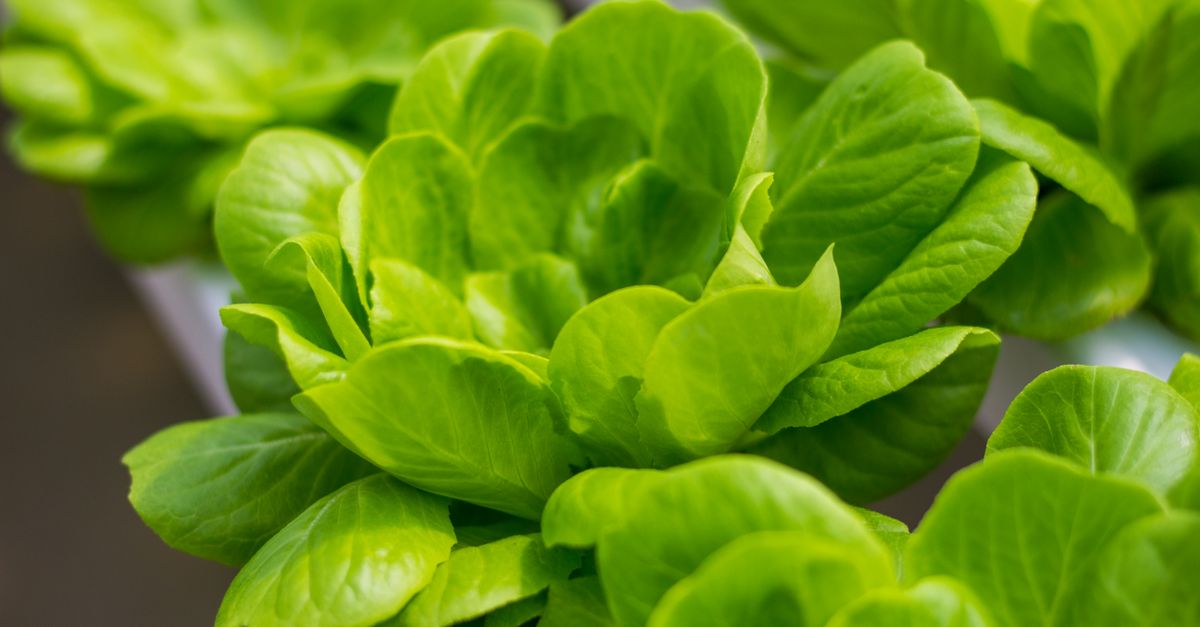
Aeroponics in India is, in practice, a seed potato technology. ICAR-CPRI (Shimla) perfected an aeroponic system in 2011 for virus-free potato minitubers, and the technology has been licensed to 14 firms in Uttar Pradesh, West Bengal, Punjab and Haryana, plus a licence to the Madhya Pradesh government. For growing vegetables or greens for the market, no Indian trial data or proven commercial model was found, so a farmer should not treat it as a general money-making method.
Roots hang in a closed chamber and are sprayed with a fine nutrient mist at intervals. It needs tissue-culture plantlets, controlled-environment structures, reliable power and trained staff, and it is meant for seed businesses and institutions rather than for beginners.
How the system is used in India
- Purpose: seed potato is a large cost item, about 40% of potato production expenses by one ICAR journal review, and conventional seed multiplication is slow and accumulates disease. Aeroponics, combined with tissue culture, gives a high multiplication rate at the first stage with virus-free minitubers and can run irrespective of the growing season.
- Time saved: ICAR states the system cuts the field exposure of the seed crop by at least 2 years compared with conventional multiplication.
- Scale today: each licensed firm may produce up to 10 lakh minitubers a year, and the 14 firms together produce about 65 lakh minitubers a year at roughly half capacity. At ICAR-CPRI itself, about 3,187 tonnes of nucleus and breeder seed is produced annually across 25 varieties, 30% through high-tech systems and 70% through the conventional system.
- Chain: meristem-cultured, virus-free plantlets go into the aeroponic chamber, the minitubers are harvested, and they are then multiplied in the field as seed.
Planting density
An ICAR-CPRI Shimla trial compared three plant spacings in the aeroponic chamber over 14 harvests.
| Spacing | Plants per m2 | What the trial found |
|---|---|---|
| 15 x 10 cm | 66 | Highest number of minitubers per m2 |
| 15 x 15 cm | 44 | Intermediate |
| 20 x 15 cm | 33 | Heaviest average tuber (1.74 g) |
- Total minitubers and yield per plant were generally higher at a 15 cm spacing within the row than at 10 cm, and weight of tubers per m2 did not differ significantly among spacings.
- Number of minitubers per plant is variety-specific. In ICAR-CPRI work it dropped from 38 to 27 in Kufri Himalini and from 29 to 11 in Kufri Himsona under certain conditions, so a variety list is something to plan with the institute.
Nutrient solution and misting
- No Indian public source with an exact nutrient recipe, pH, EC or misting schedule suited to Indian varieties was found. The solution and the spray cycle are set by the licensed technology and the training that comes with it, so ask ICAR-CPRI or AgrInnovate India for them rather than copying settings from foreign articles.
- Roots dry out within minutes when the mist stops. A power cut, a blocked nozzle or a pump failure can ruin a batch, so a generator or inverter backup, filtered water and spare nozzles are essential.
Other crops
- Aeroponics is also used abroad and in research for leafy greens and herbs, but no Indian yield or cost data was found for these. If you are interested in vegetables without soil, look first at hydroponics where the equipment is simpler, and at polyhouse options.
Cost and returns
- No verified Indian figure for the capital cost of an aeroponic seed unit, the licence fee, or the production cost per minituber was found, so none is quoted. A seed unit needs a tissue-culture lab or plantlet supply, a controlled structure, chambers, misting and pump systems, power backup and skilled staff.
- Questions to price before investing: licence fee, plantlet cost per plant, power use, labour, and the price your buyer will pay per minituber. Income = plants x minitubers per plant x price per minituber, minus all running costs. Use the lowest per-plant counts from the trial (11 to 27) as the safe case.
- Check central and state support through the subsidy finder, and group purchases of equipment through an FPO.
Market and risks
- Buyers are seed potato growers and seed agencies, and they need certified, disease-free minitubers. Quality rules and seed certification apply.
- Risks: technology licence and training dependence, power and equipment failure, a small market served by existing licensed firms, and the need for skilled staff.
Sources
- ICAR, Hi-tech seed production system revolutionizing the seed potato industry in India
- NITI Frontier Tech Hub, Hi-tech tissue culture and aeroponics in India's potato economy
- Standardization of planting geometry for aeroponic mini-tuber production in potato, ICAR-CPRI Shimla (AGRIS record)
- A novel sustainable aeroponic system for healthy seed potato production in India, Indian Journal of Agricultural Sciences
- Global Agriculture, licence to Government of Madhya Pradesh through AgrInnovate India