
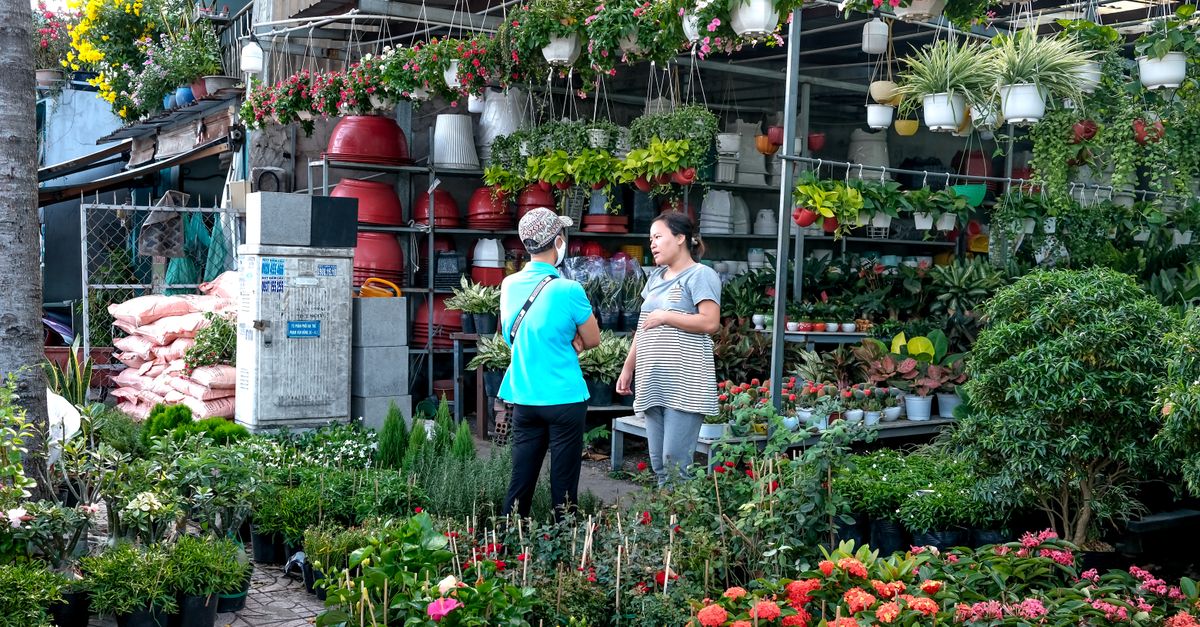
A plant nursery is a workable small business in India when it is built around one thing a local buyer already needs, such as vegetable seedlings for nearby growers or grafted fruit plants for a district orchard scheme, and sized to what you can sell. It takes training in propagation, a reliable water source, a shade or rain shelter, and patience: a documented KVK-supported vegetable seedling unit in Kerala took until its third year to cover its input costs.
Returns depend on how reliably you can sell, not on how many plants you raise. Healthy, true-to-type plants, honest labelling and records matter more than size.
Types of nursery and what each needs
| Nursery type | Main customers | What it needs | Main risk |
|---|---|---|---|
| Vegetable seedlings (tomato, chilli, brinjal, cabbage, cucurbits) | Vegetable growers within a short transport distance | Rain shelter or poly house, pro-trays filled with cocopeat or similar media, clean seed, hardening area | Orders arrive in a rush at transplanting time and nothing between seasons |
| Fruit and plantation plants (grafts, budded plants, layers) | Orchard growers, government plantation schemes | Mother plants of known variety, grafting skill, and time to build stock before the first sale | Mislabelled or diseased plants damage your name; unsold stock keeps costing money |
| Forest, timber and avenue saplings | Forest departments, farmers, housing societies | Poly bags, shade, land for stock; seed of known source | Large orders often come through department tenders, so check payment terms |
| Ornamental, flowering and indoor plants | Households, landscapers, shops | Shade net, display area, variety range, a road-side or city location | Plants lose value and look if not sold on time |
Rules and recognition
- State licence: some states license fruit and horticulture nurseries. Haryana, for instance, has proposed a Horticulture Nurseries Bill in 2025 that would require a licence valid for five years, with records kept for 10 years for fruit plants, and penalties up to one year in prison or a fine of ₹1 lakh. Ask your district horticulture office what applies in your state.
- NHB recognition: the National Horticulture Board runs a voluntary recognition and star rating for fruit and vegetable nurseries. It checks the source of mother material, propagation practice, nursery management, record keeping and staff training; the certificate is valid for two years. Ratings run from one to three stars on a points score. It is different from a state licence, but plantation programmes may prefer rated or registered nurseries.
- Keep a sale register with variety, lot, date and buyer, and label every lot. NHB expects this, and it protects you if a customer complains.
Setting up
- Site: reliable good-quality water, drainage, road access and a market within reach. Vegetable seedlings travel only a short distance, so a nursery near vegetable growers sells more than a bigger one far away.
- Structures: NHB's vegetable nursery guidelines look for seedlings raised in pro-trays filled with cocopeat, vermiculite, or soil, sand and compost mixes, with protection from insects and low temperatures. See polyhouse subsidy for structure support.
- Training: grafting, budding and layering are skills. Take a course from the KVK, the state agricultural or horticultural university or a state-recognised nursery before you invest.
- Start small: the Kerala unit studied below began on a 5 to 10 cent site (about 200 to 400 square metres). Add structures only after the first season's sales justify them.
Cost and returns: one documented example
The only documented figures found for a small Indian nursery come from ICAR KVK Idukki (Kerala), for a vegetable seedling unit on a 10-cent poly house that started in December 2014. Figures are for 2018-19.
| Item | Figure | Per seedling (calculated) |
|---|---|---|
| Seedlings produced | 5 lakh | - |
| Input cost | ₹7.12 lakh | about ₹1.42 |
| Gross returns | ₹11.84 lakh | about ₹2.37 |
| Net profit | ₹4.72 lakh | about ₹0.94 |
- The unit took until its third year to break even on input costs, because it could not at first get sales orders at the right time. The KVK helped it reach buyers, and after break-even it earned around ₹5 lakh a year on average.
- The structure was funded by the district panchayat as a grant, so the table does not show construction cost. If you build with your own money, add the structure, trays and water system to the cost and wait longer to recover it.
- This is one unit with strong KVK support, not an average. A nursery with weaker orders will earn much less.
- Prices vary by crop and region and change with the season. Ask three nurseries near you for current per-plant rates for the crops you plan before you finalise any budget.
Subsidy
- Under the Mission for Integrated Development of Horticulture (MIDH) the pattern reported in guideline summaries is: hi-tech nursery (up to 4 ha, cost norm ₹25 lakh per hectare) at 40% credit-linked back-ended subsidy for private owners, capped at ₹40 lakh per unit, with a requirement to produce at least 50,000 plants per hectare a year of mandated perennial crops; small nursery (1 ha) at 50%; and vegetable seedling production at 35% (50% in the north-east, tribal sub-plan areas, Lakshadweep and Andaman and Nicobar). These are from secondary summaries, and the figures can change, so confirm with the state horticulture mission or NHB before you plan on them.
- Subsidy is linked to a bank loan. See KCC and subsidy finder for related options.
Market and risks
- Customers: neighbouring growers, orchard schemes, forest departments, landscapers and households, depending on the type of nursery.
- Quality is your brand: diseased or off-type plants cost the buyer a full season, and one bad lot can end repeat business.
- Disease: keep media, trays and water clean, rogue out diseased seedlings, and ask the KVK before using any chemical; follow the label. See pests.
- Timing and stock: seedlings must be sold within days of readiness, while grafted fruit plants can be held longer but cost money to keep. Plan sowing dates backward from your buyers' planting dates; see crop calendar.
- Government orders: the Kerala unit needed KVK help to reach department tenders. Check payment terms before you plan around them.
Sources
- ICAR KVK Idukki, Vegetable Seedling Production Unit (success story, 2018-19 figures)
- National Horticulture Board, Guidelines for Accreditation and Rating of Vegetable Nurseries
- National Horticulture Board, Guidelines for Recognition of Fruit Plant Nurseries
- National Horticulture Board, cost norms and pattern of assistance under MIDH (NHB activities)
- Krishi Jagran, horticulture subsidy schemes under MIDH (secondary source, nursery rows)
- The Tribune, Haryana Horticulture Nurseries Bill explained (2025 proposal)