
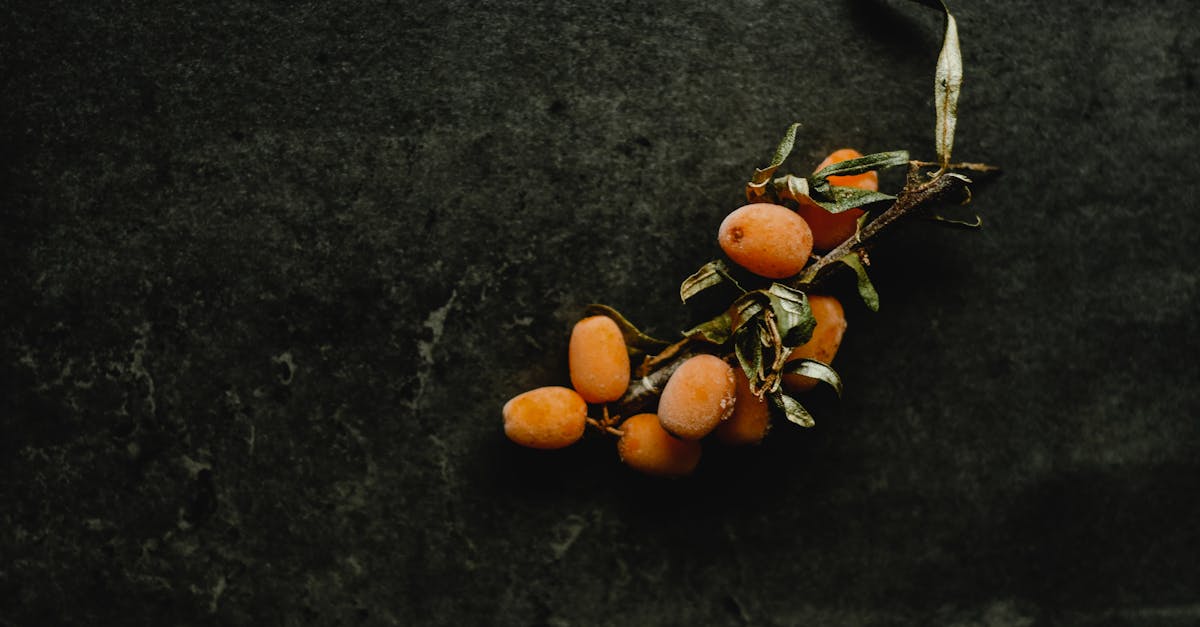
Seabuckthorn (Hippophae rhamnoides, sold in India as Leh berry) is a realistic crop only for cold, dry, high Himalayan valleys such as Ladakh, and in practice most Indian berries still come from wild stands rather than planted orchards. Anyone outside that zone should not plant it: the shrub needs cold winters and open sun, and no Indian trial data, cost of cultivation or buy-back price for plantations was found while preparing this guide.
What can be stated with confidence is the biology (separate male and female plants, wind pollination, nitrogen fixation, very thorny branches), the products that the Defence Institute of High Altitude Research (DIHAR), Leh has built on the berry, and orchard figures from other countries. These foreign figures are shown below as such and are not Indian yields.
Where it grows
- Range: sea buckthorn grows wild across the Himalaya, including India, Nepal and Bhutan, and the plant tolerates temperatures from -43 to +40 degrees Celsius. In the wild it reaches elevations up to about 5,000 m in some regions.
- Ladakh: an ethnobotanical survey of Ladakh's trans-Himalayan valleys records that sea buckthorn is used to make juice, and that the whole plant is used as fuel and fodder. The survey did not separate wild harvest from cultivation or give production figures or prices.
- Area: a general reference gives about 12,000 hectares of sea buckthorn in India without a primary source, so treat it as an unverified estimate. A verified state-wise area for Ladakh, Himachal Pradesh or Uttarakhand was not found.
- Altitude for fruiting orchards: a general reference gives 2,000 m for fruiting, which does not match Ladakh practice, where juice is made from local plants. Local altitude limits for planted orchards were not verified, so check with DIHAR, the Ladakh agriculture department or the Sher-e-Kashmir University of Agricultural Sciences and Technology (SKUAST) before planting.
- Soil: it is a pioneer species that prefers open sites and sandy or rocky, free draining soils, and it survives on nutrient-poor ground because its roots carry nitrogen-fixing bacteria. A general reference puts the best soil at deep, well drained sandy loam with organic matter and pH 6.5 to 7.5.
Plant biology and planting material
- Male and female plants: the species is dioecious, and only female plants carry berries. Pollination is by wind, so males must stand close to females, within about 100 m according to one reference.
- Ratio: managed plantings usually keep about 10% male plants (one male to ten females), according to a 2023 review in the journal Genes. Males cannot be told from females until the plants flower, so buy plants of known sex or propagated from cuttings of known plants.
- Propagation: by seed and root suckers, or by cuttings to preserve a particular selection. Seedlings give a mix of males and females.
- Varieties: no released Indian variety of Hippophae rhamnoides could be verified. Selections from Europe and China have been bred for larger berries and fewer thorns; their performance in Indian cold deserts is not documented here.
- Spacing: a standard orchard layout in the literature is 1 m within the row and 4 m between rows, in north-south rows for light. That gives about 2,500 plants per hectare (about 1,000 per acre). It is a layout for temperate orchards, not an Indian recommendation, and wider spacing may be needed on poor, dry ground.
Care, pests and harvest
- Care: the plant needs little input once established, but a young plantation on dry ground needs irrigation until it takes root. Protect young plants from grazing animals.
- Pests: no Indian pest or disease recommendation with doses could be verified; check with your KVK or research station rather than spraying on general advice.
- Yield, foreign figures: a general reference gives about 10 tonnes of berries per hectare for an established orchard, and up to 7 kg per productive plant. The Genes review reports 5 to 12 kg per plant for cultivars of the mongolica subspecies, with some Chinese selections reaching 10,000 to 20,000 kg per hectare. None of this is Indian data, and wild stands in Ladakh will give much less.
- Harvest labour: berries cling to thorny branches and hand picking in Asia needs about 1,500 person-hours per hectare (about 600 per acre). Branch cutting and frozen-branch harvesting are used elsewhere, and both damage the shrub if done carelessly.
Products, market and returns
- What DIHAR has built: a DRDO review describes a multivitamin herbal beverage from sea buckthorn fruit that does not freeze at sub-zero temperatures and has been supplied to troops in the Siachen area, a soft gel capsule of sea buckthorn seed oil, a herbal tea and a joint care gel using the seed oil.
- Who buys: demand comes from juice and beverage units, herbal and supplement makers and cosmetic firms. Current Indian buying prices per kilogram of berries could not be verified, and no buy-back figure is shown here.
- Returns: without a verified Indian price and cost, a profit figure would be invented. As the only arithmetic that can be done honestly, 10 t/ha equals 4 t per acre of fresh berries, and the income is that weight times the price a buyer agrees to in writing, less roughly 600 person-hours of picking per acre.
- Subsidy: a current MIDH or NMPB subsidy rate for sea buckthorn was not verified. See the subsidy finder and ask the Ladakh horticulture office.
- Selling together: in remote valleys, joining an FPO helps share freezing, transport and processing costs.
Sources
- The Systematics, Reproductive Biology, Biochemistry, and Breeding of Sea Buckthorn: A Review (Genes, 2023)
- DRDO Herbal Technologies: Military and Civil Applications (New Age Herbals, 2018)
- Plant Resources Utilization among Different Ethnic Groups of Ladakh (Biology, 2021)
- Sea buckthorn (general reference: orchard spacing, yield, harvest labour; secondary source)
- Hippophae rhamnoides (general reference: pollination, soil, India area estimate; secondary source)