
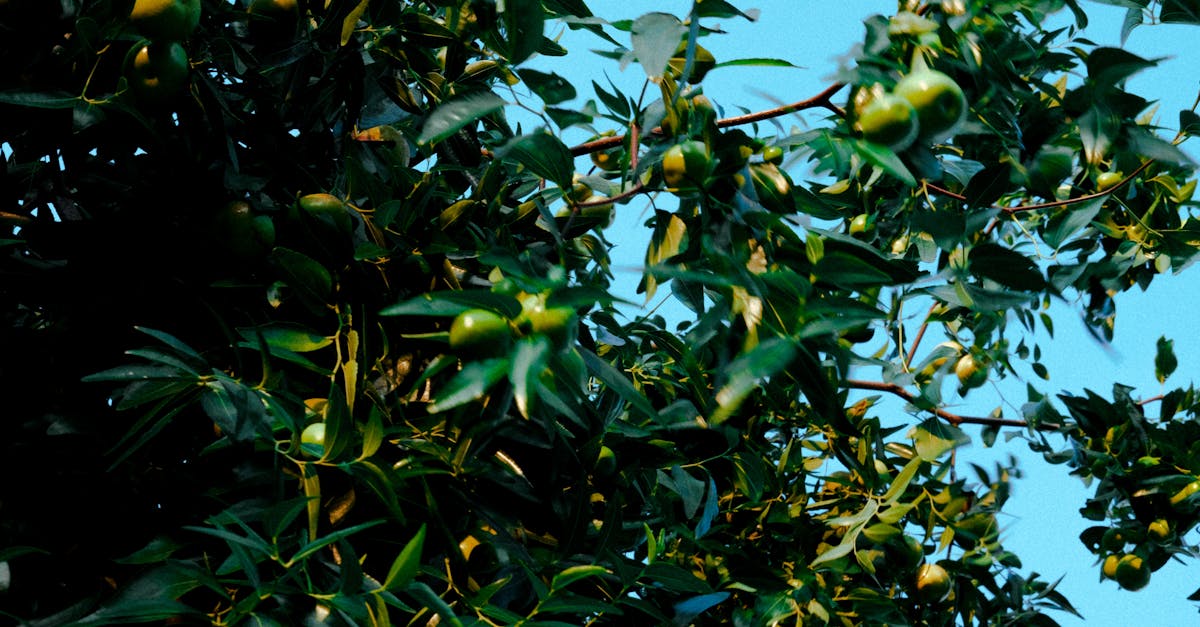
Jojoba works in India only in hot, dry, sandy country, and in practice that means Rajasthan, where about 90% of Indian jojoba is grown, with trial plantations in Gujarat and a few other states. It is a patient, long-gestation crop: male and female flowers are on separate plants and bearing builds over many years, and there is no organised mandi price, so a signed buyer comes before the first seedling.
The seed holds 50 to 55% liquid wax (sold as "jojoba oil") used in cosmetics and specialty industries. Indian published data on current farm-gate seed prices and plantation economics is thin, so this guide states what is documented and tells you whom to ask for the rest.
Where it grows in India
- Rajasthan: ICAR-CAZRI, Jodhpur adapted the plant to Indian conditions, and the Thar region (Bikaner, Jaisalmer, Barmer) is the main area. A private plantation of 90 acres was set up at Bikaner in 2008 and a second of 14 acres in 2016.
- Gujarat: trial plantations exist on varied soils, including a study site on coastal sand dunes at Zanjmer near Bhavnagar.
- Climate: a general guide gives annual rainfall as low as 200 to 400 mm, and the plant tolerates frost to heat above 45 C. Flowering starts in spring once temperatures pass 15 C. Severe drought during flowering and fruiting still cuts the seed crop.
- Soil: coarse, sandy or gravelly soil with good drainage. Waterlogged or heavy clay soil is unsuitable.
Varieties and planting material
| Material | Source | Traits |
|---|---|---|
| EC 33198 | Introduced in the late 1960s, evaluated at CAZRI | Identified as suited to the Indian arid zone |
| EC33198-Sel.1 x EC99692 (F1 hybrid) | Indian arid-region research | Regular bearing; Sel.5 of EC33198 averaged 7.5 kg seed per plant in the reported trial |
- Seedlings give a random mix of male and female plants, which cannot be told apart until flowering. Mother plantations of about 110 ha in Rajasthan were set up to supply vegetatively propagated (cutting-raised) plants of known sex, using an Israeli technology package. Ask the nursery whether plants are cutting-raised and of known sex.
- Male plants are needed only as pollinators. The male:female ratio affects yield; 4:1 is quoted for Arizona, and no verified Indian ratio was found, so follow the nursery's or CAZRI's advice.
Spacing and planting
- A general guide recommends rows 3 to 4 m apart with plants about 1.5 m apart in the row after thinning weak plants.
- Arithmetic: 4 m x 1.5 m = 6 sq m per plant, which is about 1,667 plants per hectare or about 675 per acre; at 3 m x 1.5 m it is about 2,200 per hectare (about 900 per acre). These are calculated from the spacing, not a surveyed Indian recommendation.
- Irrigate young plants through drip until established. See drip irrigation.
Nutrition, water and pests
- Jojoba needs little fertiliser, but no verified Indian per-plant dose was found. Get a soil test and ask the CAZRI or KVK nearest you.
- Water is needed most during flowering and fruit set. The plant is described as relatively resistant to pests and diseases. For any problem, follow the label and ask your KVK.
Harvest and yield
- Fruits ripen in spring and early summer and the seeds fall by late summer. Picking is by hand or by shaking the plant, so labour is a real cost.
- Time to yield: one general source says 4 to 5 years to reach full productivity, while another says mature stands of about 10 years can give 1,000 to 3,000 kg of clean seed per hectare a year. Hand-harvested yields of 340 to 900 kg per hectare are also quoted. These are mostly not Indian field surveys, so treat them as a wide range, about 135 to 1,200 kg per acre.
- Plants live for decades.
💡 Tip: Before planting, get the buyer's written seed price, grade, moisture limit and collection arrangement. Visit a bearing plantation in Bikaner or Jaisalmer districts and ask what it has actually earned.
Cost and returns
- The Association of Rajasthan Jojoba Plantation and Research Project (AJORP) has quoted a production cost of about US$0.70 per kg of seed in India, against US$1.50 in Israel and US$3 in the United States. This is an industry figure.
- No verified current rupee price for jojoba seed in Indian trade was found. Without a price, per-acre profit cannot be honestly calculated. Use this formula once you have a written price: seed kg per acre x price per kg, minus plants, drip, labour and picking, spread over many years.
- Expect several years with costs and little income before the plantation pays.
Market and risks
- Buyers are wax and oil extractors serving cosmetic and specialty industries; the market is small and thin. Jojoba is not on the Agmarknet price list, so mandi bhav will not show it.
- Be wary of nurseries or companies selling plants with buy-back promises. Insist on written terms and check the buyer independently.
- Several jojoba schemes of past decades gave land and plants to farmers; ask the state horticulture or forest department about any current support, and check subsidy finder. No current subsidy rate for jojoba was verified.
Sources
- Performance and potential of jojoba in the Indian arid regions (Indian Journal of Plant Genetic Resources)
- Dwarf mutant in jojoba, Indian Journal of Genetics and Plant Breeding
- India Environment Portal, jojoba plantations in Rajasthan wasteland
- Krishi Jagran, cultivation of jojoba (secondary source)
- GKToday, jojoba plant and desertification (secondary source)
- Richters, jojoba growing questions (spacing and yield, general)