
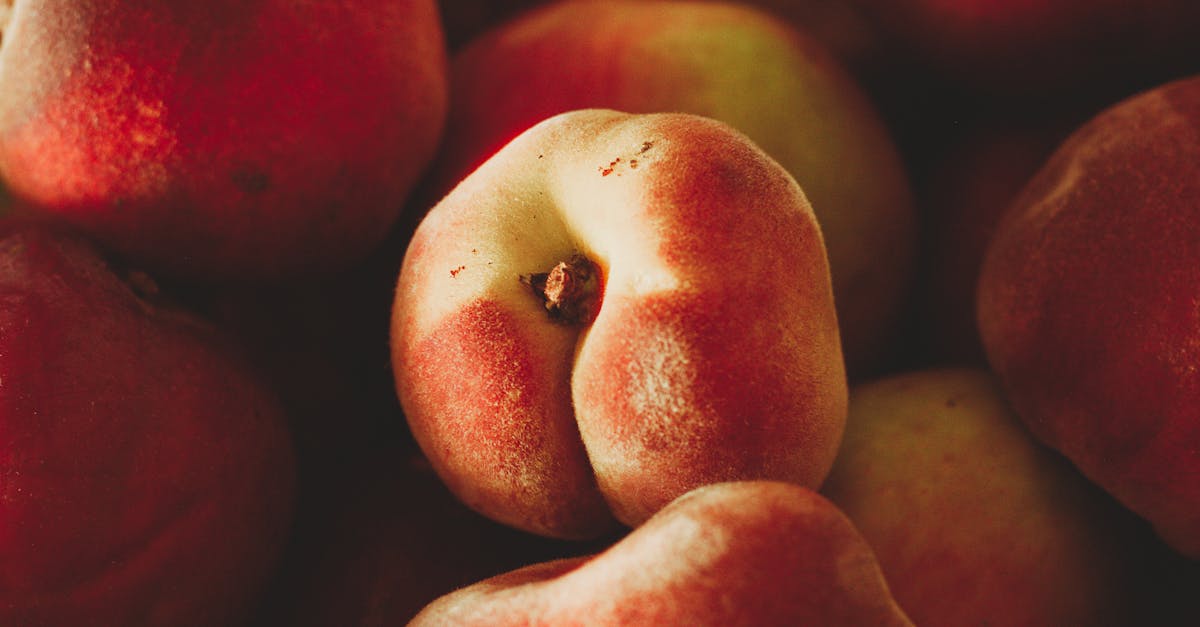
Peach works in India in two different ways: high-chill and mid-hill types in the Himalayan states (Himachal Pradesh, Uttarakhand, Jammu and Kashmir), and low-chill types in the sub-mountain belt and northern plains (Punjab, Haryana, western Uttar Pradesh, Bihar) where fruit ripens in April and May. The crop needs well-drained soil, the right variety for the winter chill at your site, and a plan to sell a fruit that spoils within days.
The biggest decision is the variety. A high-chill variety planted in a warm place flowers badly, and a low-chill variety in a frosty valley can lose its blossom. Check the variety against your own altitude with the state horticulture department or the nearest KVK before buying plants.
Where it grows in India
- Mid hills (about 1,200 to 1,500 m): in Himachal Pradesh, peach does well at this altitude. 'July Elberta' is the main mid-hill cultivar and ripens in the first fortnight of July, after the monsoon sets in. Other cultivars grown or tested there include Redhaven, Sunhaven, Suncrest, Glohaven and Early Elberta (YSPUHF Nauni trials).
- Rajgarh valley, Sirmour (Himachal): a 2003 study by the Agro-Economic Research Centre, Himachal Pradesh University, reported that about 80 per cent of the state's peach was grown in this one valley. That is an old figure, but it shows how concentrated hill peach is around a few market-linked pockets.
- Sub-mountain belt and plains: low-chill cultivars (chilling need in the range of roughly 75 to 450 hours) are grown in the sub-mountain region and northern plains. Trials in Uttar Pradesh (Saharanpur), Bihar (Sabour, Bhagalpur) and the Nagaland foothills (Medziphema) have tested them.
- South Indian hills: the TNAU package describes peach as suited to elevations up to 2,000 m, with early types ripening in April to May.
- Soil: TNAU recommends a well-drained red lateritic soil rich in organic matter, with pH 5.8 to 6.2. Waterlogged soil is unsuitable for stone fruit.
Varieties
| Variety | Type | What trials reported |
|---|---|---|
| Flordaprince, Sharbati, Sharbati Surkha | Low-chill, early | Classed as early maturing in subtropical trials; fruit ripens from the last week of April to the first week of May |
| Shan-e-Punjab, Earligrande, Pratap | Low-chill, mid-season | Shan-e-Punjab had the largest fruit (58.59 g) in a Bihar (Sabour) trial, but the lowest yield among three varieties in a Nagaland trial |
| Pant Peach-1 | Low-chill, late | Classed as late maturing in the subtropical trial |
| TA-170, Flordasun | Low-chill | At Medziphema, TA-170 gave the highest yield (15.58 kg per tree, fruit 40.27 g); Flordasun had the highest sugar (TSS 17.35 degrees Brix) |
| July Elberta, Early Elberta, Redhaven, Glohaven, Suncrest | Mid-hill, higher chill | At Nauni (Solan), Early Elberta gave the highest yield (38.02 kg per tree) and Glohaven the best fruit quality (TSS, acidity, sugars) |
| Killikrankie, Floridasun (early), Shaw Pasand (mid), Red Shanghai (late) | Hill varieties listed by TNAU | TNAU lists April to May, June to July and July to August harvest windows for early, mid and late types |
Fruit weight across the cultivars in the Uttar Pradesh subtropical study ranged from about 35 to 81 g, so variety choice changes fruit size a great deal. Yield figures from different trials are not directly comparable (different ages, sites and years).
Planting and training
- Plants: TNAU recommends one-year-old budded plants in pits of 60 x 60 x 60 cm, planted between June and December in its hill conditions. Buy grafted plants of a named variety from a nursery registered with the state horticulture department.
- Spacing: TNAU gives 4 x 4 m, which is about 625 trees per hectare (about 253 per acre). The Nauni trials used 4.5 x 4.5 m, about 494 trees per hectare (about 200 per acre).
- Pruning: open-centre training, with annual pruning in December to January. Remove dry, diseased and crossing branches and water shoots.
Nutrition and irrigation
- TNAU's dose for a bearing tree is 25 kg farmyard manure, 500 g nitrogen, 1 kg phosphorus and 1 kg potassium per year. Younger trees need less; scale down by tree age and base it on a soil test from your KVK. See fertilizers for converting nutrient doses into urea, SSP and MOP.
- Water is needed from fruit set to harvest; stop irrigation that leaves water standing around the trunk. Drip irrigation suits widely spaced hill and plains orchards.
Pests and diseases
- Fruit fly: TNAU suggests about 50 traps per hectare and a malathion spray at 2 ml per litre of water. Collect and bury fallen fruit.
- Leaf curl: leaf curl is a fungal disease in many peach regions, so ask your KVK or state agriculture department for a currently registered fungicide, follow the label, and check the right dormant-season timing before spraying.
- Powdery mildew: carbendazim at 0.5 g per litre or sulphur dust at 25 kg per hectare (TNAU).
- Follow the product label and the pre-harvest interval, and confirm current registered products with your KVK. See pests.
Harvest and yield
- TNAU gives an average of 10 to 15 kg per tree per year. Trials give wider ranges: about 15.6 kg per tree for TA-170 at Medziphema and 38 kg per tree for Early Elberta at Nauni (a research orchard with good management).
- At TNAU's 10 to 15 kg per tree and 253 trees per acre, the yield is about 2.5 to 3.8 tonnes per acre (6.3 to 9.4 tonnes per hectare at 625 trees).
- Pick when the ground colour changes and the fruit gives slightly to the thumb; pack in a single layer or shallow trays, because bruised peaches rot quickly.
Cost and returns
- No current, verified orchard cost figure or wholesale price series for peach was available from official sources for this guide. Ask your district horticulture office or KVK for the local cost of establishment, and check the current peach rate at your nearest mandi.
- How to work it out: gross income per acre equals yield (kg) x your selling price. At TNAU's yield of 2,500 to 3,800 kg per acre, every ₹10 per kg of net farm-gate price adds ₹25,000 to ₹38,000 per acre. Subtract fertiliser, labour (pruning, thinning, picking, packing), sprays, packing material and transport to see the margin.
- Hill peach farmers also pay commission and transport to city markets. The 2003 Himachal study listed perishability and post-harvest handling among the main problems for growers.
Market and risks
- Fresh peach is sold mainly through commission agents in city mandis or through local retail. It does not store long, so a cool vehicle and quick sale matter more than for apple.
- Low-chill varieties flower in February; a late cold spell or hail can cut the crop. Rain at harvest raises fruit rot and fruit fly.
- For group packing and sale, see FPO. Horticulture support under MIDH varies by state, so use the subsidy finder and confirm the current rate at your district horticulture office. For crop insurance see PMFBY.
Sources
- TNAU Agritech Portal, Peach (horticulture)
- Growth pattern and phenological stages of peach under subtropics, Indian Journal of Agricultural Sciences (ICAR)
- Performance of low-chilling peach cultivars under Bihar conditions, Journal of Pharmacognosy and Phytochemistry
- Performance of low chilling peach cultivars at lower hills of Nagaland, Indian Journal of Hill Farming (ICAR)
- Peach introductions at Nauni, Solan, Indian Journal of Horticulture
- Production and Marketing of Peach Fruit in Rajgarh, Sirmour, Agro-Economic Research Centre, Himachal Pradesh University (2003)