
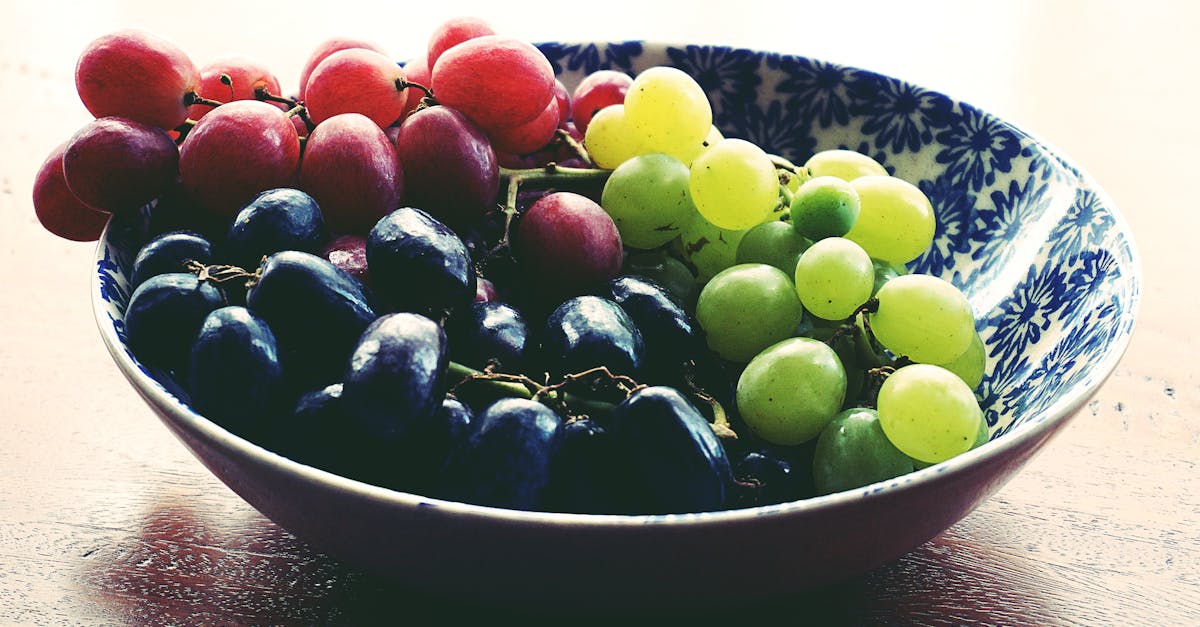
Export-grade Thompson Seedless works in India mainly in the Nashik, Sangli and Solapur belt of Maharashtra and in north Karnataka, and it takes a trellised vineyard, assured drip water, a spray record that can pass European residue checks, and a registered pack-house or exporter. It is not a crop to start on a small plot without a buyer and technical help: the production cost alone is roughly ₹2 to ₹2.5 lakh per acre every year after the vineyard is built.
Only part of a vineyard's crop meets export grade, so the rest has to be sold in the domestic market at lower prices. Plan the economics for both outlets.
Where it grows and what it needs
- Region: Indian trials on Thompson Seedless and its clones were run in growers' vineyards around Nashik, and the Maharashtra State Grape Growers Association and ICAR-NRC Grapes (Pune) are the main technical bodies.
- Soil: TNAU's package for grapes asks for soil pH 6.5 to 7.0, electrical conductivity below 1.0, depth of at least 1 m and a low water table. Saline or waterlogged soil is a poor choice.
- Season in Nashik belt: NRC Grapes trials prune vines for fruiting in the first or second week of October; export bunches are then picked about 110 to 140 days later, which puts harvest in the January to March window.
- Water: TNAU advises withholding irrigation for 15 days before pruning and before harvest. Drip is standard; see drip irrigation.
Varieties, clones and rootstock
| Selection | Origin | Notes |
|---|---|---|
| Thompson Seedless | Vitis vinifera, long grown in India | In the 2018 study, yield depended most on cluster weight |
| Tas-A-Ganesh | Bud sport spotted by grower Vasantrao Arve at Borgaon, Sangli | Yield there depended more on canes per vine, so it is managed differently |
| 2A clone | Kearney Experimental Station, UC Davis, USA | Yield was poorly explained by the usual vine and cluster measures in the same study |
| Sonaka, Manik Chaman | Listed as Indian seedless types in the TNAU package | Confirm with your exporter which type he wants |
- The Nashik vineyards in the Indian Journal of Agricultural Sciences study (2018) were 6 to 7 years old, grafted on Dogridge rootstock and trained on an extended Y trellis. Ask NRC Grapes or a recognised nursery which rootstock suits your soil and water.
- Buy grafted plants only from a nursery that gives a variety and rootstock label, and ask your buyer which clone he wants.
Spacing and training
- A 2020 NRC Grapes trial on the variety Manjari Naveen used 3.0 m x 1.83 m on a Y trellis. That spacing works out to about 735 vines per acre (about 1,820 per hectare). Thompson Seedless spacing varies with trellis and rootstock; confirm locally.
- TNAU's package gives 4 m x 3 m for non-Muscat varieties on a bower, which is about 340 vines per acre (about 830 per hectare).
- Trellis or bower, drip and pack-house access are the large up-front costs. Check the current rate for new grape area under MIDH with your district horticulture office through the subsidy finder.
Nutrition, growth regulators and crop load
- Manure and fertiliser: TNAU gives 50 to 100 kg farmyard manure or compost per vine per year, with N 0.10 to 0.60 kg, P 0.08 to 0.24 kg and K 0.30 to 1.20 kg per vine depending on variety and growth stage. Base the exact dose on a soil and petiole test at your KVK. See fertilizers.
- Crop load matters more than the number of bunches: in the NRC Grapes trial on Manjari Naveen, going from 60 to 100 bunches per vine raised yield but cut berry size and sugar; 60 bunches per vine gave the better balance. That is a different variety, but it shows why export growers thin bunches.
- Growth regulators: gibberellic acid is used for berry size on seedless grapes. APEDA's procedure says forchlorfenuron (CPPU) should be avoided after 65 days from pruning or once berries reach 6 to 8 mm, to reduce residue detections. Keep every product to the CIB&RC-registered list and the label.
- Diseases: downy and powdery mildew are the main fungal threats in humid weather; follow the NRC Grapes spray schedule and ask the KVK before any new chemical. Because of the residue rules below, an unrecorded or unregistered spray can cost you the export outlet for that plot.
Export rules you must meet
- Farm registration: for grapes going to the EU and the UK, APEDA's trade notice of 17 February 2026 requires every farm and plot to be registered with the district agriculture or horticulture officer on GrapeNet. Registration and renewal are done from 1 September to 31 December each year; the fee is ₹50 per plot per year and a later application carries a ₹100 late fee. A plot gets a 12-digit registration number, and registration is valid three years with annual renewal.
- Spray records: registered farmers must keep a plot-wise record of every chemical applied (date, product, dose, pre-harvest interval) and display the farmer name and plot number on the plot. Labs may refuse to test samples if the record is missing.
- Grading: the Agmark schedule for table grapes sets a minimum of 16 degrees Brix and a sugar/acid ratio of 20:1, with Extra Class, Class I and Class II grades. Agmark certificates of grading are issued through approved labs, are valid for 15 days, and the application fee is ₹1,000.
- Pack-house: grapes are graded and packed at an APEDA-recognised pack-house, usually through an exporter.
💡 Tip: Register your plot before the 31 December deadline and talk to an exporter before pruning, not at harvest. Ask which clone, berry size and residue limits he wants and how and when you are paid.
Yield, cost and returns
- Yield: TNAU gives 15 tonnes per hectare per year for seedless grapes, about 6 tonnes per acre. Only a share of this meets export grade.
- Production cost: a paper in the Indian Journal of Horticulture (2020) puts the cost of producing Thompson Seedless at about ₹2.0 to ₹2.5 lakh per acre a year, excluding vineyard establishment. By component it was fertilisers 24%, plant protection 28%, growth regulators 20%, labour 13% and other costs 15%.
- Break-even arithmetic: ₹2 to ₹2.5 lakh divided by 6,000 kg is about ₹33 to ₹42 per kg across the whole crop. Export-grade and domestic prices swing with the season, so get the exporter's rate for the year in writing and work out your own margin; no farm-gate price is quoted here because it changes weekly. Track domestic rates on mandi bhav.
- Time: a new vineyard needs trellis building and several years before a full commercial crop; ask NRC Grapes or your KVK for the schedule for your rootstock.
- Insurance and credit: see PMFBY and KCC; also see export buyers.
Market and risks
- Buyers are exporters with APEDA-recognised pack-houses; the EU and UK are the markets covered by APEDA's registration procedure. A farmer without a registered plot cannot supply the EU.
- Residue rejection, unseasonal rain at bloom or ripening, and fluctuating export prices are the main risks. Group selling through an FPO can lower pack-house and transport cost per kg.
Sources
- APEDA, Procedures for export of fresh table grapes to the European Union (17 Feb 2026)
- TNAU Agritech Portal, Grapes
- Path analysis of yield and quality in Thompson Seedless and its clones, Indian Journal of Agricultural Sciences 2018
- Crop load regulation in Manjari Naveen grape, ICAR-NRC Grapes, Indian Journal of Horticulture 2020