
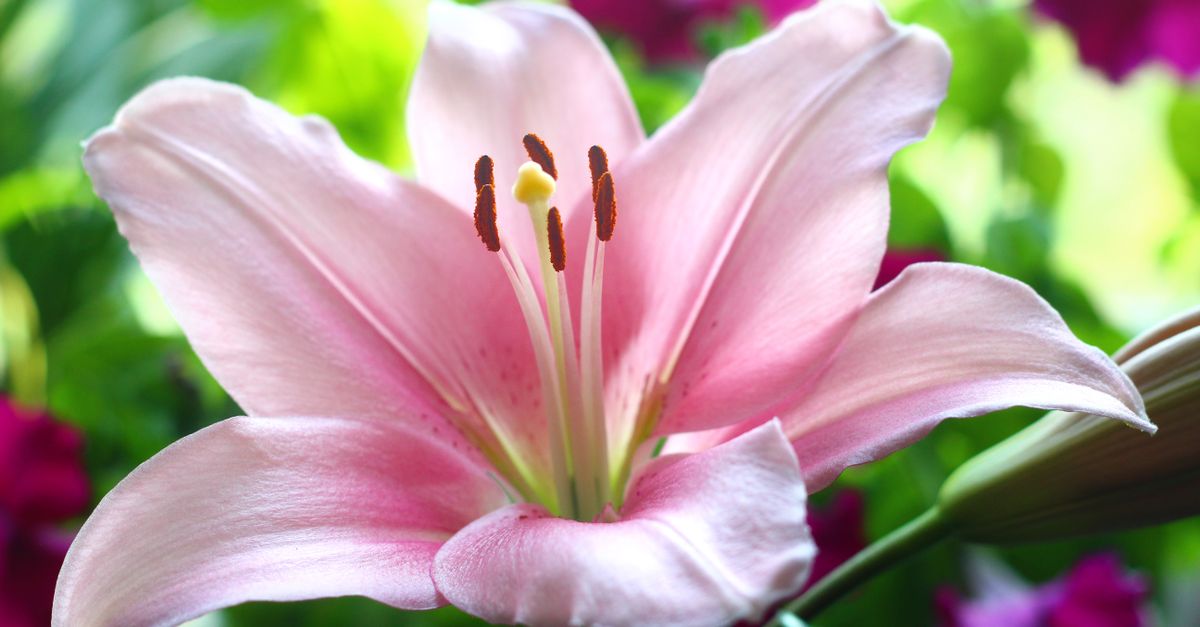
Lilium works in India as a cut flower in cool hill areas (Himachal Pradesh, Uttarakhand, Jammu and Kashmir, Ladakh) and, with shade and cold-treated bulbs, in the northern plains in winter, but only if you have a buyer for the stems before you buy bulbs. Bulbs are the main cost, they are mostly imported, and the crop pays only when stems reach the market in a spread-out, graded way.
Published Indian economics are optimistic and old. A Lahaul farmer group lost money in 2013 when every grower's flowers hit Delhi at once, so treat every return figure here as a range to test against your own bulb quote and nearest wholesale rate.
Where it grows in India
- Main areas: hill states such as Himachal Pradesh, Uttarakhand and Jammu and Kashmir, with Haryana emerging as a hub. In Himachal, commercial lilium is grown in Kullu, Solan, Kangra, Lahaul and Spiti, in open fields and polyhouses; a Himachal study reported a benefit-cost ratio of 2.54:1.
- Ladakh: a 2026 news report describes a field at Choglamsar, Leh (about 3,200 m) that sent a first consignment of 15,000 A-grade stems to Delhi, Mumbai and Chandigarh on 29 September 2026, with plans to expand.
- Climate: SKUAST-Kashmir gives 10 to 12°C at night and 22 to 25°C by day as ideal, with 35 to 50% shade net in summer; ICAR-IARI gives 8 to 20°C. Heat produces short plants with fewer buds.
- Soil: well-drained sandy loam at least 40 cm deep. The two sources differ on pH (6.0 to 7.0 from SKUAST; 5.5 to 6.5 from IARI), so test your soil and ask the KVK. Heavy clay and waterlogging cause rots.
Types and varieties
| Type | Traits | Examples named in Indian sources |
|---|---|---|
| Asiatic | Earliest, 10 to 13 weeks; upright flowers; easy to propagate and resistant to many insects and diseases | Navona, Pollyanna, Enchantment, Alaska, Tresor |
| LA hybrid | Asiatic-like but sturdy and shorter | Pavia, Eyeliner, Best Seller, Royal Dream |
| Oriental | Large, fragrant, recurved; 14 to 18 weeks; needs larger bulbs | Stargazer, Casa Blanca, Siberia, Sapporo, Viviana |
- Pure white, yellow and pink are the colours in steady demand. Choose cultivars by your elevation and your buyer's colour preference, and take bulbs only from a supplier who gives size, cold-treatment details and the cultivar name.
- The Himachal YSP University trial used 18 genotypes (Asiatic, LA, OT and Oriental) procured from ICAR-IARI, Regional Station, Katrain, Kullu.
Bulbs, planting and spacing
- Bulb size (circumference): 12 to 18 cm for Asiatic and LA, 14 to 22 cm for Oriental. Bigger bulbs give taller stems and more buds.
- Cold treatment: bulbs need at least 10 to 14 weeks of cold before planting. If you receive frozen bulbs, thaw them slowly at 7 to 13°C over 1 to 3 days.
- Spacing: ICAR-IARI quotes 15 x 15 cm with 40 to 50 bulbs per m2 of net bed; SKUAST-Kashmir uses 15 x 25 cm and quotes 4,000 bulbs per 100 m2 for Asiatic and 3,000 for Oriental., counted on net bed area after paths.
- Depth and beds: bulbs 4 to 12 cm deep with 4 to 10 cm soil cover on raised beds 20 to 30 cm high for drainage. Staking with wire or netting is needed in windy sites.
- Season: north Indian plains: November and December. Hills: from November onward; with pre-cooled bulbs plantings under shade net can extend to July.
- Do not use herbicides; weed by hand. Avoid superphosphate (fluoride is toxic to lilies); lilies are salt-sensitive, so avoid heavy fertiliser.
Nutrition and irrigation
- SKUAST-Kashmir: well-rotted FYM 2 kg per m2 mixed in before planting plus 20:20:15 g N, P and K per m2 as base. ICAR-IARI: FYM 5 to 8 kg per m2 and CAN at 1 kg per 100 m2 in two splits after sprouting. The two differ, so use a soil test and your KVK.
- Irrigate to keep the soil moist, on alternate days in dry spells; water before planting so bulbs root quickly.
- Bud drop occurs under low light and short days; a night-interruption light is used for this. Leaf scorch is reduced by a 1% calcium chloride spray just before buds show.
Pests and diseases
- Insects: aphids (also spread virus), thrips, cutworms and mites. Dimethoate at 2 ml per litre is listed for aphids and thrips in Indian sources; follow the label and ask your KVK, since cut flowers are handled and sold fresh.
- Diseases: root rot complex (Fusarium, Pythium, Rhizoctonia), bulb rot, foot rot and bacterial soft rot. Drainage is the first control; discard infected plants and bulbs, treat bulbs with a fungicide before planting, and consider soil sterilisation under protected cultivation.
Harvest and yield
- Harvest in the morning when the first bud of a multi-bud spike shows colour, cutting 15 to 20 cm above the ground; the rest of the plant stays to feed the bulb.
- Flower stems per 100 m2: 3,500 to 4,000 for Asiatic and 2,800 to 3,000 for Oriental (SKUAST-Kashmir). IARI notes one stem per bulb.
- Bulbs can stay in the ground for up to three years, but flower quality falls each year. In the Lahaul case the bulbs flowered for three years with declining quality.
- Grade by buds per stem and length (the Lahaul report cited A grade as at least 70 cm with at least three blooms), bunch in sixes, and cool to 2 to 4°C.
💡 Tip: Ask the bulb supplier and the wholesale buyer for written prices first. Plant in batches a few weeks apart so your stems do not all arrive on the same day, and sell in advance of wedding and festival peaks.
Cost and returns
- Net income claims: ICAR-IARI reports ₹3 to 3.5 lakh net per 1,000 m2 of protected area for Asiatic and LA hybrids and ₹4 to 4.5 lakh for Oriental. SKUAST-Kashmir gave up to ₹50,000 gross per 100 m2 per cycle at ₹13 per stem, an old rate.
- Prices: the Ladakh news report quotes ₹150 to ₹200 per stem in India, which is a retail or promotional figure; wholesale rates received by growers are lower and vary by day and grade. Check your nearest wholesale flower market the week you plan to sell.
- Bulb cost: the most recent figure found was 17 euro cents per imported bulb in 2013. Current bulb prices were not verified; ask suppliers for a quote. As a check: 40 bulbs per m2 means 40,000 bulbs per 1,000 m2, so every ₹1 on the bulb price is ₹40,000 for that area.
- Arithmetic to repeat with your numbers: stems sold x price per stem actually received, minus bulbs, polyhouse or shade net, labour, packing and transport, and cold chain. A grower who sells at the 2013 Lahaul rate of 7 euro cents per stem against a 17 euro cent bulb loses money before labour.
Market and risks
- Buyers are wholesale flower markets, decorators and florists, and event suppliers. Cold chain and quick transport matter because stems last only 5 to 7 days in some reports.
- Risks: imported bulb cost, price crash from a glut (Lahaul 2013), heat in plains summers, root rots, and poor grading.
- See polyhouse subsidy, subsidy finder, cold storage subsidy and FPO for group marketing. Contact your state horticulture department or KVK for current polyhouse and bulb support; no current rate was verified here.
Sources
- Protected Cultivation Technology of Lilium, Indian Horticulture, March-April 2024 (ICAR-IARI)
- Lilium Cultivation, SKUAST-Kashmir (Division of Floriculture), NMHS bulletin
- Genetic variability and correlation studies among Lilium genotypes, Indian Journal of Agricultural Sciences 2020 (YSP University, Nauni)
- Cultivation of lilium a remunerative enterprise in Himachal Pradesh, Indian Horticulture
- HortiDaily, Lahaul lily farmers, August 2013
- GKToday, Ladakh sends first 15,000-stem lilium consignment, September 2026 (news report)