
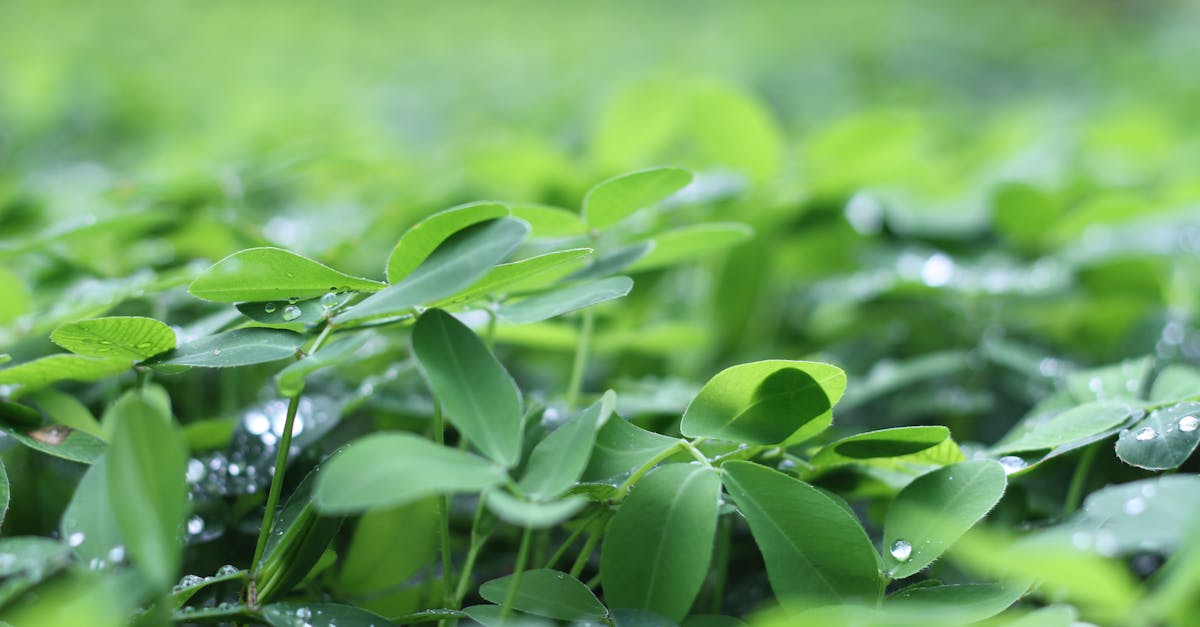
Kasuri methi is dried leaf of a separate fenugreek species, Trigonella corniculata, and in India its commercial cultivation is centred on Nagaur and neighbouring areas of Rajasthan, where it is also called Nagauri methi, pan methi or Marwari methi. It works as a short winter crop for farmers in dry, sub-tropical areas, but returns depend on drying quality and on finding a trader, because the Nagaur farm survey found no notified market and very few buyers.
Unlike ordinary methi (Trigonella foenum-graecum), the kasuri type takes 5 to 8 leaf cuttings, and the crop can then be left to set seed, which matures in about 150 to 160 days after sowing. Leaf and seed are both sold.
Where it grows and what it needs
- Region: Nagaur district of western Rajasthan is the documented centre. Research on the species has also been done at Akola (Maharashtra), where seed yield was studied.
- Season: a cool, dry rabi crop. Guides for sub-tropical zones give September to November sowing. At Akola, a 10 October sowing gave the highest seed yield among six dates from early October to late November, so early sowing pays when seed is wanted.
- Soil: well-drained loam to sandy loam. Fenugreek does not tolerate waterlogging; follow your KVK for local soil advice.
Variety and seed
- Farmers in Nagaur mainly grow the local Nagauri type. Nagaur growers have asked for improved quality seed, so seed is a known weak point. Ask the KVK Nagaur or the state agricultural university for tested seed of Trigonella corniculata, and do not use ordinary methi seed if the buyer wants kasuri leaf, since the aroma and cutting habit differ.
- Seed rate: sources vary widely and depend on the aim. A trial in the arid zone of western Rajasthan found 100 kg seed and 45 kg N per hectare gave the highest dry leaf and seed yield and the best returns of the combinations tested (about 40 kg seed and 18 kg N per acre). Other trials aimed at seed yield tested 7.5 to 10.5 kg per hectare. Confirm the rate with your KVK before buying seed.
Nutrition and crop care
- The Akola seed trial found the highest dose tested, 50 kg N, 50 kg P2O5 and 25 kg K2O per hectare (about 20, 20 and 10 kg per acre), gave the highest seed yield. For a leaf crop the Rajasthan trial's 45 kg N per hectare (about 18 kg per acre) is the better guide. Use a soil test and see fertilizers.
- Give light irrigation after each cutting for regrowth, and avoid overwatering.
- Common fenugreek problems such as powdery mildew, root rot and aphids can occur; follow the label and ask your KVK, and see pests.
Harvest, drying and yield
- Leaf cuttings: the species suits 5 to 8 cuttings. A package of practices recommends one or two green leaf cuttings about a month after sowing and then leaving the crop for seed if seed is wanted.
- Drying: the Nagaur survey found more than 50 per cent losses at harvest and drying. Shade-dry on clean sheets or in a ventilated shed, keep leaves from rain and dew, and avoid sun-bleaching and dust, which lower grade. Crush and pack only when fully crisp.
- Yield figures differ greatly with the number of cuttings and whether seed is kept. The cost and return figures below come from the Nagaur survey of farmers.
💡 Tip: Fix the buyer, grade and payment terms for dried leaf before sowing, and dry a small lot first. Drying losses and grading decide the price more than the field yield.
Cost and returns
- An economic study of Nagauri pan methi in Nagaur district, published through ICAR ePubs, reported per hectare: cost of cultivation (Cost C2) ₹1,47,366; gross value of dried leaf plus seed ₹4,06,645; net return over total cost ₹2,59,279. That is about ₹59,600 cost, ₹1.65 lakh gross and ₹1.05 lakh net per acre, at the prices of the survey period.
- These are farm-survey averages from one district, with leaf and seed income combined. Prices have moved since, so recompute with a written rate per kg for dried leaf: gross = dried leaf kg x rate + seed kg x rate.
Market and risks
- The same study named the absence of notified markets, few traders and commission agents, and no price assurance as the main constraints, along with seed quality and drying and grading technology.
- Buyers are local traders and spice processors, who may pack as whole or crushed leaf. Check mandi bhav for methi leaf and seed near you, and consider selling as a group through an FPO. See export buyers if you plan to supply a processor.
- Kasuri methi has no MSP. For crop insurance rules, see PMFBY.
Sources
- Economic analysis of Nagauri pan methi cultivation in Rajasthan, ICAR ePubs
- Leaf and seed yield of nagauri methi as influenced by seed rates and nitrogen levels, Indian Journal of Agricultural Sciences
- Sowing time and fertilizer levels in kasuri methi at Akola, Journal of Pharmacognosy and Phytochemistry
- Effect of seed rate and nitrogen levels on seed yield and quality of kasuri methi, KrishiKosh
- Vikaspedia, fenugreek package of practices