
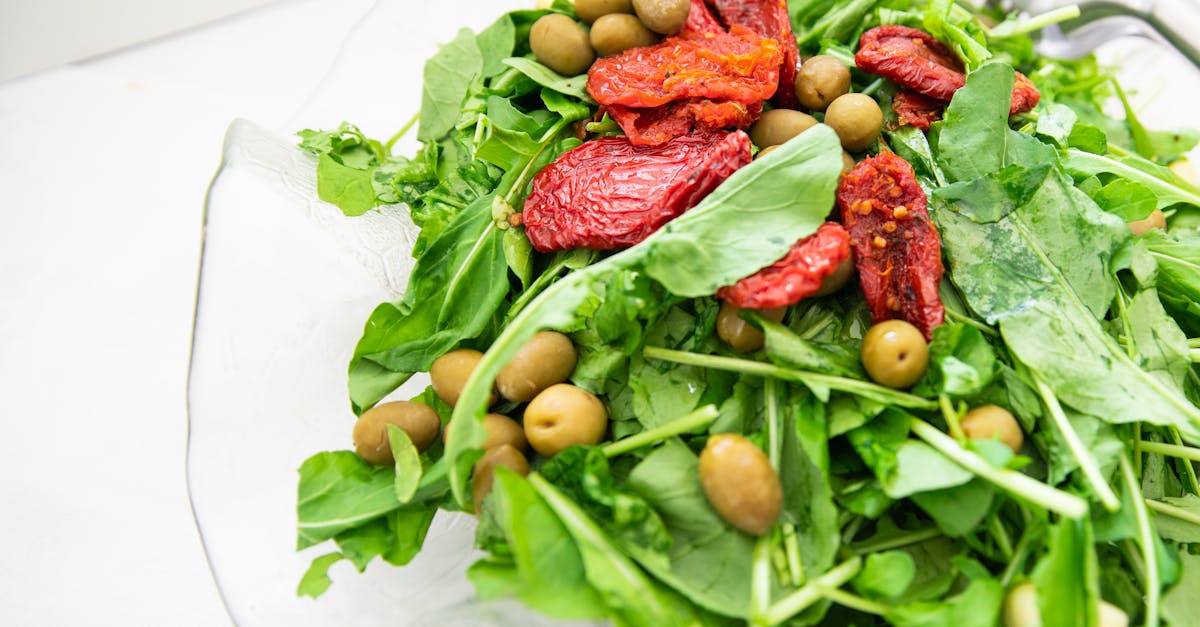
Arugula (rocket, Eruca sativa) is a quick cool-season salad leaf that can be grown across most of India in the cooler months, but it pays only if you have a regular buyer such as a restaurant, hotel, salad packer or modern retail store, because ordinary mandis give it little value. It is a small, fast, labour-and-cold-chain business rather than a field crop.
The same species is grown in north-west India as taramira, a rainfed winter oilseed. Salad rocket and taramira are different uses of one plant, so seed sold for oil is not the same product as salad seed, and nothing here is a taramira guide.
Where and when it grows
- Season: arugula is a cool-season crop. US extension guidance gives the best growth at about 18 to 24 degrees C, seed germination from about 4 degrees C upward with an optimum near 24 degrees C, and bolting under long days and high temperatures. In India that points to October to February in the plains, and the hills from spring to early autumn.
- Taramira evidence from India: as an oilseed, taramira is sown in late September to October on conserved moisture. In a trial at ICAR-CAZRI Jaisalmer, a late September sowing gave 0.95 t seed per hectare against 0.84 t for late October, which shows the crop's cool-season preference and its tolerance of dry conditions.
- Soil: well-drained loam. US guidance gives a pH of about 6.2 to 6.5; raised beds suit it in heavy soil.
- Protected cultivation: in a polyhouse, shade net or hydroponic setup it can be grown through hot months with cooling, at a higher cost. See polyhouse subsidy.
Types and seed
- Cultivated (salad) rocket has broader, milder leaves; wild rocket has narrow, deeply cut, sharper leaves. Wild types grow more slowly and are cut more slowly.
- No Indian-bred salad variety was verified. Salad seed is sold by seed companies; buy a named, tested seed lot and ask your buyer which leaf type they want.
Sowing and spacing
- Sow seed 0.5 to 1 cm deep. US guidance uses rows 18 to 23 cm apart for full-size leaf and broadcast or closer rows for baby leaf. Indian seed-rate figures for salad rocket were not found; follow the seed supplier's pack and your KVK.
- Seed germinates in 5 to 12 days in cool soil. Sow a new bed every 7 to 10 days to give a continuous supply.
- Use drip or fine sprinklers (drip irrigation, sprinkler irrigation) so the soil stays evenly moist without splashing soil onto the leaf.
Nutrition and crop care
- US extension guidance gives about 120 lb nitrogen per acre (about 54 kg per acre, 134 kg per hectare) for the crop; phosphorus and potassium depend on soil test. Indian dose schedules for salad rocket were not found, so ask your KVK for a soil-test-based plan and use well-rotted compost as a base. See fertilizers.
- Flea beetle is the main pest in US guidance and makes shot-holes that spoil a salad leaf; floating row covers or insect net protect the crop without sprays. Because leaves are eaten raw within days, use only chemicals your KVK confirms are registered for leafy vegetables, observe the waiting period on the label, and prefer nets, sticky traps and neem. See pests.
- Hot weather and long days make plants bolt and turn the leaf bitter and hot; sow into cooler weather rather than trying to hold plants.
Harvest, yield and storage
- A published sowing-period study gives a cycle of about 35 to 60 days from sowing, depending on cultivar and season. US guidance harvests for salad at 3 to 4 inches (8 to 10 cm) tall and cooking greens at 15 to 25 cm.
- Cut with a sharp knife or shears just above the growing point, so that a second cut can follow where the cultivar allows it. Hand harvest in US trials was about 9 to 11 kg per person-hour for regular arugula, but only about 3.6 kg for the wild type.
- Storage: 0 to 5 degrees C at 95 to 100% humidity. Cool the leaf quickly after cutting, because it wilts fast. Pack in clean, dry crates or clamshells.
- No verified Indian per-acre yield figure was found. Ask local growers, the KVK or your buyer; plan on the basis of how many kg your buyer will take per week rather than an acre-level yield.
💡 Tip: Start with one or two 100 sq m beds sown at 7 to 10 day intervals, and sign up one buyer for a fixed weekly quantity, price and delivery day before scaling up.
Cost and returns
- No verified Indian price for arugula was found, and prices vary with city, season and pack. Do the arithmetic yourself: weekly kg sold x the price your buyer confirms in writing, minus seed, labour, packing, cold-chain and transport costs.
- Seed, nets and cold storage are small compared with labour for cutting, washing, grading and packing. Compare against fast crops such as coriander or spinach in your mandi prices to see whether the premium is worth the extra work.
Market and risks
- Buyers are restaurants, hotels, caterers, salad and ready-to-eat packers, and premium grocery or home-delivery brands in large cities. Demand is limited and a single buyer can take most of your crop.
- Main risks: a market only in big cities, spoilage within a day or two without a cold chain, quality rejection for shot-holes, yellowing or soil, and bolting in warm spells.
- Growers near the same city can supply together through an FPO. Check the subsidy finder for protected cultivation and pack-house support, and cold storage subsidy for chilling.