
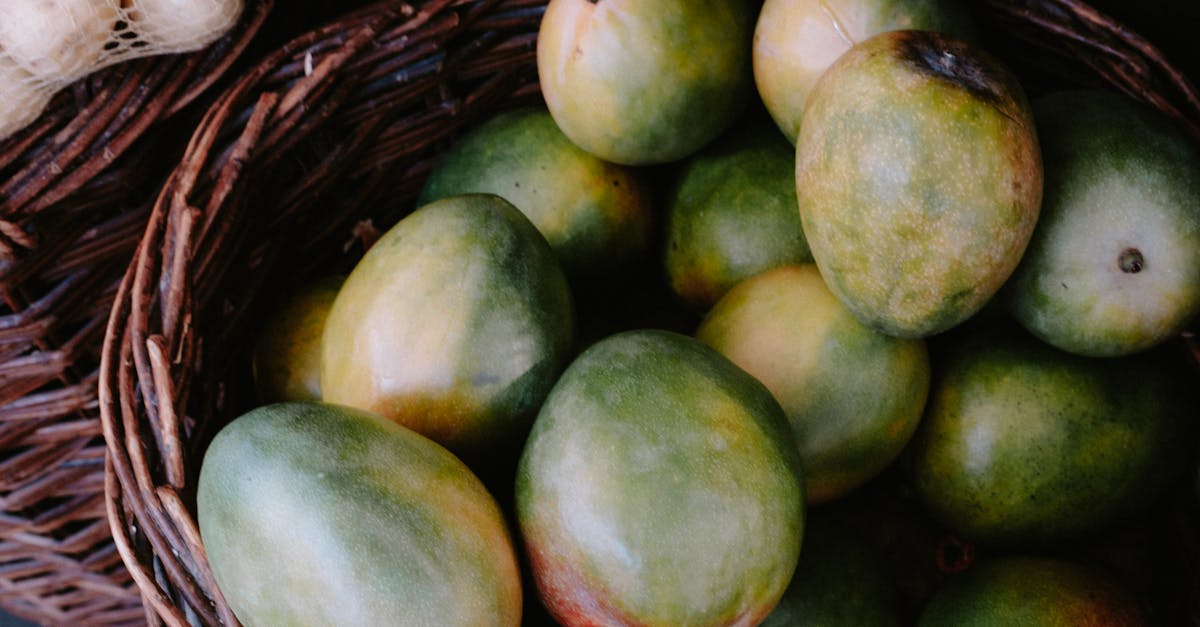
Alphonso (Hapus) is a Konkan crop: it does best on the laterite soils and sea-breeze climate of Ratnagiri and Sindhudurg, where the Ratnagiri and Devgad GI names apply. It is a long-term orchard that takes several years to bear, flowers unevenly, and in recent seasons has cropped far below normal, so the premium price is only as good as the fruit you actually harvest and grade.
Konkan's own orchard average is low, only about 2.2 to 3 tonnes per hectare, mostly because of old, tall trees. Most of the useful new work there is about rejuvenating old trees, managing flowering and avoiding spongy tissue, not about planting more of the same.
Where it grows and what limits it
- Dr Balasaheb Sawant Konkan Krishi Vidyapeeth (Dapoli) reports that Alphonso makes up over 90% of the 1.82 lakh hectares of mango in the Konkan, planted mostly at 10 m x 10 m, about 100 trees per hectare (40 per acre).
- Konkan productivity is 2.5 to 3 t/ha in the Dapoli paper, with about 40,000 ha of old, senile orchards; a 2025 report quotes 2,200 kg/ha for the Konkan against a national average of 7,200 kg/ha.
- Weather is the biggest risk. Off-season rain, hot spells and cold waves at flowering and fruit set hit Alphonso hard. A 2026 trade report put the Konkan crop at about 20% of full capacity because of uneven flowering and poor fruit set, and a 2025 farmer report links high temperatures to premature fruit drop and spongy tissue.
- The GI tags cover Ratnagiri and Devgad Alphonso. Fruit grown outside those areas cannot be sold under those GI names, so plan to market it on its own quality and grade.
Planting material and spacing
- Use grafted plants of true-to-type Alphonso from a recognised nursery (the Konkan Krishi Vidyapeeth, Dapoli or a state-accredited nursery). Ask for the grafting date and the source of the scion.
- Traditional spacing in the Konkan is 10 m x 10 m (about 40 trees per acre). TNAU's general mango package also lists high-density planting at 5 m x 5 m (400 per hectare, about 160 per acre) and double hedgerow (266 per hectare); these need regular pruning, and local Alphonso trial results for them were not found, so test on a small block first.
- TNAU advises removing flower panicles for the first three years so young trees build a frame before they bear. Alphonso is listed for top-working in old orchards.
Nutrition and irrigation
- TNAU's general mango schedule (a Tamil Nadu package, not specific to the Konkan) starts at 0.2 kg N, 0.2 kg P and 0.3 kg K per tree in year 1 and rises to 1.0 kg N, 1.0 kg P and 1.5 kg K per tree a year from year 6. Use it as a starting point and adjust with a soil test and your local KVK's advice; see fertilizers.
- Potassium matters for fruit quality: in a Dapoli trial on 32-year-old Alphonso trees, potassium nitrate and potassium sulphate sprays raised fruit weight to about 277 g and 274 g against 248 g in the control (Burondkar et al., 2009).
- TNAU says weekly irrigation is needed under conventional systems and micro-irrigation cuts water to about a third; see drip irrigation.
- Flowering induction: Dapoli's Alphonso work uses paclobutrazol (a growth retardant) against alternate bearing. Dose and timing depend on tree age and soil, and root activity changes after treatment (IIHR work), so take the schedule from the Konkan Krishi Vidyapeeth or your KVK rather than from a neighbour.
Pests, diseases and spongy tissue
- Pests: hoppers, mealybugs and fruit flies (TNAU). Diseases: anthracnose, powdery mildew and sooty mould. Spray at panicle emergence and fruit set on the schedule your KVK gives; follow the label dose and waiting period; see pests.
- Spongy tissue: a disorder where pulp near the stone breaks down, making fruit unsaleable even though the skin looks fine. In the Dapoli trial all three paclobutrazol treatments cut spongy tissue by 62 to 87% at an early ripening stage compared with the control, though incidence at the last stage stayed high (about 42%). Hot weather is reported to make it worse.
Rejuvenating old orchards
- Dapoli pruned 40-year-old trees in October 2011 at 3.5 m height, protected the cut ends against stem borer and fungus, irrigated for two months and thinned the new shoots after 40 days. Pruned trees fruited again from 2012-13.
- Pooled yield over the trial was 3.38 t/ha for rejuvenated trees against 2.54 t/ha for untouched trees, with a higher share of hermaphrodite flowers and less use of insecticide, fungicide and labour. Fruit quality (TSS, acidity, sugars) did not differ. The technique was demonstrated in farmers' fields in Sindhudurg and Ratnagiri.
Harvest and yield
- Commercial harvest in 2026 was expected around Gudi Padwa (late March), with the season running into May. Good fruit shows Brix around 20 to 22.
- A grafted orchard needs several years before regular bearing; TNAU quotes 8 to 10 t/ha up to 15 years and 15 to 20 t/ha from 15 to 20 years for mango in general, but Konkan Alphonso orchards have averaged much lower (2.2 to 3 t/ha), so budget on the lower figures.
💡 Tip: Alphonso pays a premium for sound, graded, naturally ripened fruit. Record each year's flowering date, spray dates and harvested kg per tree, because the difference between a 20% crop and a full crop decides whether the orchard pays.
Cost and returns
- Price: one Konkan grower quoted ₹400 to ₹450 per dozen for Alphonso (against ₹200 to ₹250 for other varieties) in 2025, with defective fruit ₹100 to ₹200 per dozen lower. That is one farmer's figure; check current rates on the mandi bhav page and with your buyer.
- Arithmetic (illustration): if an Alphonso fruit weighs about 250 g, a dozen is about 3 kg, so ₹400 to ₹450 per dozen is roughly ₹133 to ₹150 per kg for graded fruit. At the Konkan average of 2.5 to 3 t/ha (1.0 to 1.2 t per acre), gross is about ₹1.3 to ₹1.8 lakh per acre if all fruit sold at that price; at the 3.38 t/ha (1.37 t per acre) of the rejuvenation trial it is ₹1.8 to ₹2.1 lakh. Reject fruit and middlemen's cuts reduce this.
- No current audited cost-of-cultivation figure for a Konkan Alphonso orchard was found. Include plants, pruning and spraying labour, fertiliser, harvest and packing labour, boxes and transport; ask the Konkan Krishi Vidyapeeth or the district horticulture office for cost norms.
Market and risks
- Fruit is sold through APMC markets, direct farm-to-consumer boxes and exports. A 2026 trade report lists the US, Europe, UK, New Zealand, Australia, the Gulf and Southeast Asia as markets; exporters need packhouse standards and traceability. See export buyers.
- Early-season volumes are tiny and prices high, then prices fall as the main crop arrives. Spongy tissue, rain at harvest and uneven flowering all cut the share of fruit that gets the top price.
- Do not use calcium carbide to ripen fruit; naturally ripened fruit is what commands the premium and FSSAI bans calcium carbide for ripening.
- Group sale through an FPO helps with grading and packing. For orchard subsidies, ask the district horticulture officer and see the subsidy finder; a confirmed current Alphonso-specific rate was not found.
Sources
- Parulekar et al. 2019, Studies on rejuvenation of old and senile orchards of Alphonso mango in Konkan region of Maharashtra, Indian Journal of Horticulture 76(2) (Dr BSKKV, Dapoli)
- Burondkar, Jadhav and Chetti 2009, Effect of plant growth regulators, polyamine and nutrients on fruit quality and occurrence of spongy tissue in Alphonso mango (ISHS)
- TNAU Agritech Portal, Mango
- Kotur 2012, Root activity and superphosphate placement in Alphonso mango as influenced by paclobutrazol, Indian Journal of Agricultural Sciences (ICAR-IIHR)
- Mongabay India, Heatwaves threaten the king of mangoes (May 2025, secondary source)
- FreshPlaza, Lighter yields for premium Alphonso mangoes in India's Konkan belt (2026, secondary source)