
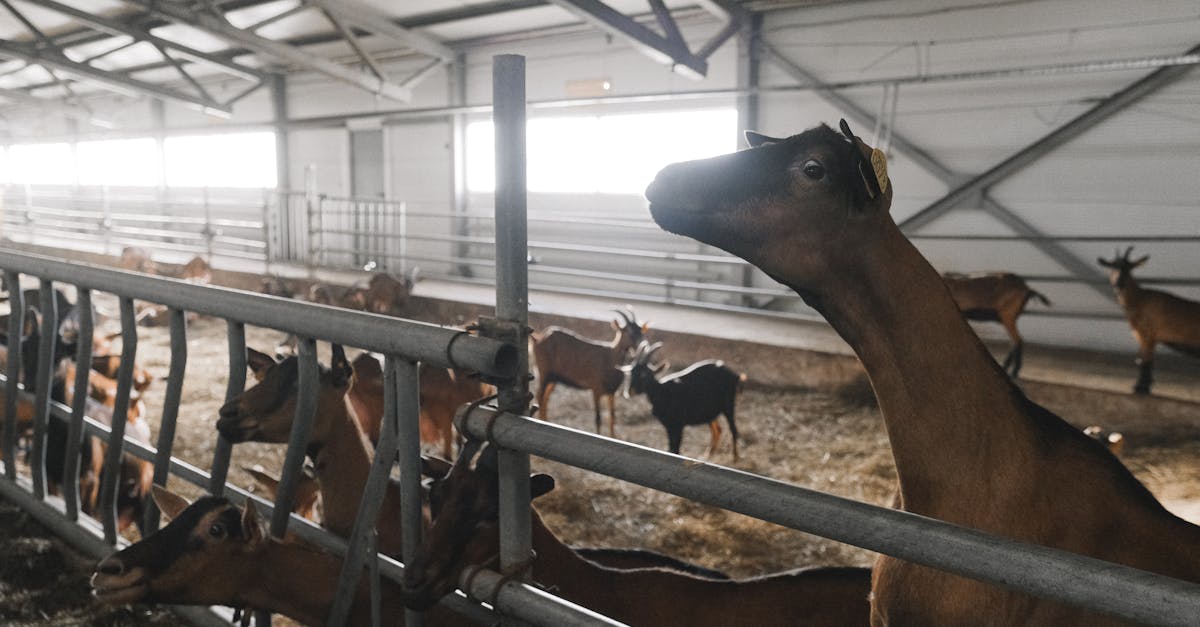
Goat farming is the most accessible livestock business in India and a favourite of small and marginal farmers for one simple reason: you can start small, with low capital, and the returns come fast. Goats are hardy, breed quickly, eat a wide range of fodder and tree leaves, and there is steady, year-round demand for goat meat that keeps prices firm, especially around festivals. Often called the "poor man's cow", a goat unit can be run on family labour, scaled up from its own offspring, and supported by a generous government subsidy. This guide shows how to start, which breeds to choose, the real economics, and the schemes that help.
Why Goat Farming Works for Small Farmers
- Low entry cost - start with a handful of does and one buck and grow the herd from kids.
- Fast returns - goats reach market weight quickly and many breeds kid twice a year, often with twins.
- Hardy and adaptable - they thrive on browse, crop residue and marginal land where little else grows.
- Strong, steady demand for meat (chevon) that spikes around festivals, plus milk from dairy breeds.
- Generous subsidy under the National Livestock Mission makes scaling up affordable.
Best Goat Breeds in India
- Sirohi: hardy, disease-resistant and good for meat across varied climates - a top all-round choice.
- Beetal: large-bodied, good for both meat and milk, popular in North India.
- Jamunapari: tall and fast-growing, a premium meat and milk breed.
- Black Bengal: small but prolific, with excellent meat and skin quality; ideal for Eastern India.
- Osmanabadi: hardy meat breed suited to Maharashtra and the Deccan.
- Boer (cross): a fast-growing meat breed often crossed with local goats for higher weight.
Choose a breed proven in your region and climate, and buy healthy stock from a reputable source rather than the cheapest animals.
Stall-Fed vs Grazing (Semi-Intensive)
You can run goats by open grazing, fully stall-fed (zero grazing), or a semi-intensive mix of both. Pure grazing has the lowest feed cost but needs land and labour and gives slower, less predictable growth. Stall-feeding gives faster, controlled growth and works on small plots but raises feed cost. For most farmers a semi-intensive system - some grazing plus supplementary feed and a planted fodder block - gives the best balance of cost and growth. Whichever you choose, a clean, raised, well-ventilated shed and a strict deworming and vaccination routine are essential.
Goat Farming Cost and Profit
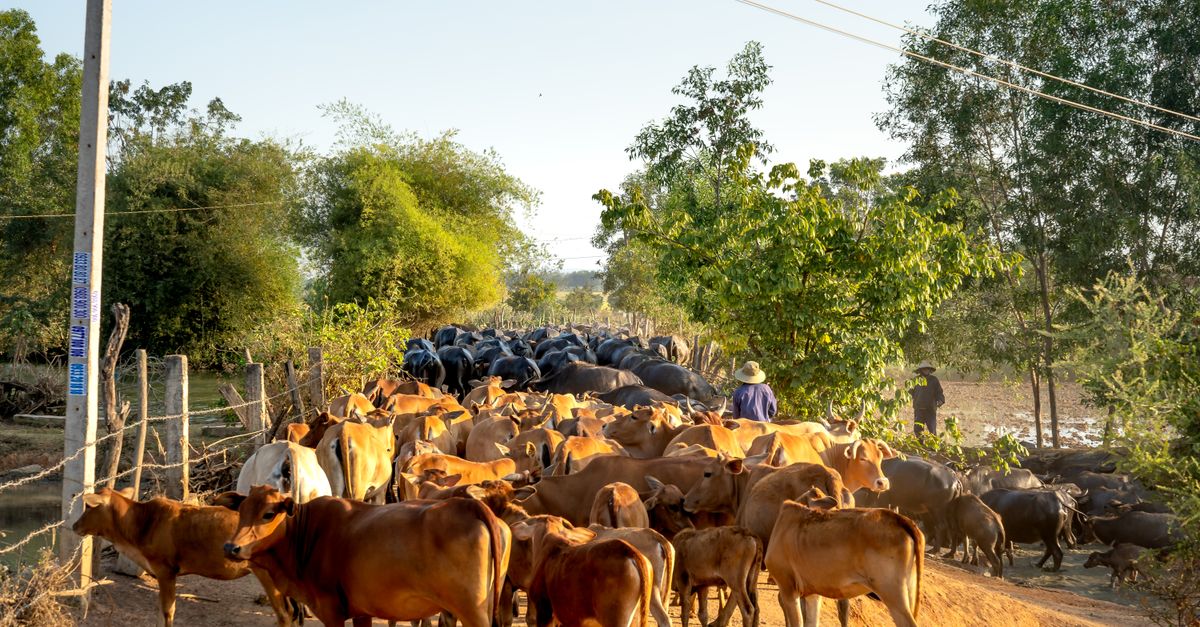
The main costs are buying the initial breeding stock, building a simple shed, and ongoing feed and health care. Because you breed your own replacements, the herd largely funds its own growth after year one. Profit comes from selling young stock at market weight and surplus breeding animals. Be realistic and price everything locally: the figures shared online vary hugely with breed, region and feed system. The honest way to plan is per animal - your cost to raise a kid to market weight versus the price it fetches - and to remember that mortality control (through vaccination, deworming and clean housing) is what protects your margin. Goats sold around major festivals typically command the best prices.
NLM Subsidy and Loans for Goat Farming
The National Livestock Mission (NLM) provides a capital subsidy (commonly around 50%, subject to ceilings and approval) for goat and sheep rearing units set up as entrepreneurship ventures, which makes a larger commercial unit far more affordable. Banks and NABARD also finance goat units, and the Kisan Credit Card covers animal husbandry working capital. Subsidy amounts, unit sizes and rules change, so confirm the latest on the official portal or through the Subsidy Finder, and size any loan with our EMI calculator.
Common Mistakes to Avoid
- Buying cheap, unhealthy or unproven stock instead of quality breeding animals.
- Neglecting deworming and vaccination - disease is the biggest killer of goat profits.
- Damp, dirty or crowded housing, which spreads infection.
- Underfeeding pregnant and growing animals, which slows growth and weakens kids.
- Scaling up too fast before you have learned the management.
Health Calendar, Records and Insurance
The farms that keep goats profitable are the ones that treat health as a routine, not an emergency. Maintain a simple register of each animal's deworming, vaccination (for diseases like PPR, FMD and ET), breeding and weight, so you can spot problems early and cull poor performers. Keep a clean, dry, raised shelter and quarantine any newly bought animal before mixing it with the herd. Consider livestock insurance, which is available through banks and animal husbandry schemes and protects you against the loss of a valuable breeding animal. These small disciplines, more than any single trick, are what turn a goat unit into a steady earner year after year.
Want a breed recommendation, a unit plan, or help applying for the NLM subsidy and a loan? Enter your number above and we will call you back. Explore other options on the livestock hub or combine goats with poultry farming.