
Dairy farming is the backbone of rural India and the single largest livestock income for millions of households. Milk sells every single day, the demand never stops growing, and a well-run dairy unit turns fodder, crop residue and family labour into a dependable monthly cheque. It is also the most forgiving livestock business for beginners because the supply chain - village collection, cooperatives and private dairies - is already built across most of the country. This guide covers everything you need to start: breeds, cost, income, feeding, housing and the government support that makes a dairy affordable.
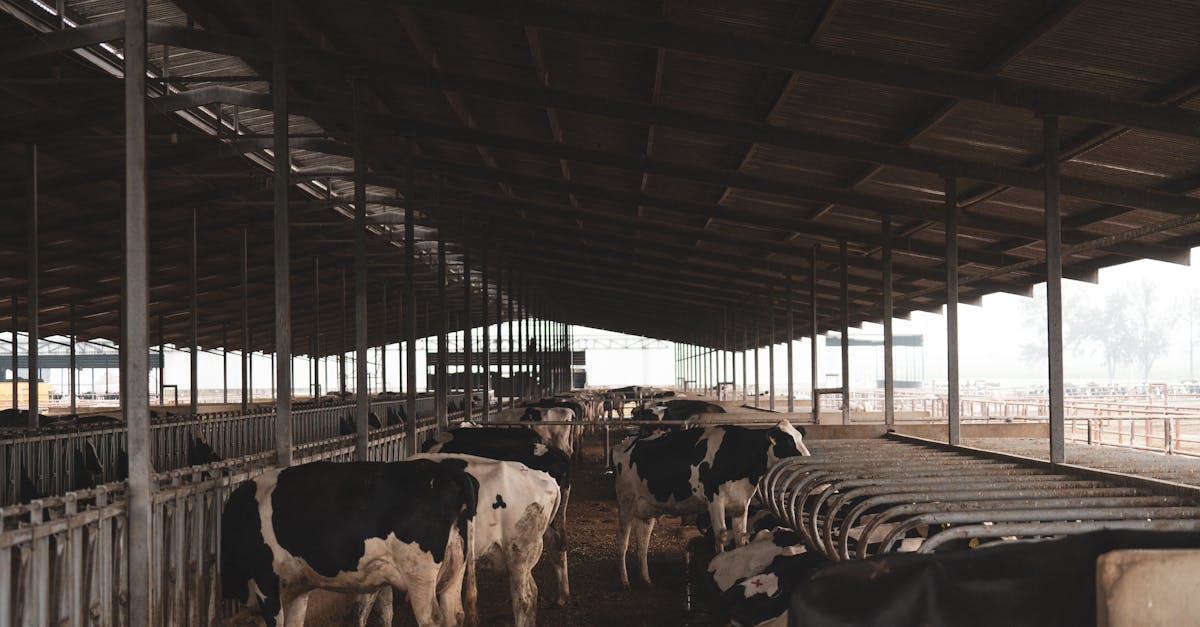
How to Start a Dairy Farm (Step by Step)
- Decide the scale - many farmers begin with two to four animals and grow from profit rather than borrowing heavily on day one.
- Choose the right breed for your climate and market (see below).
- Build a simple, airy shed with shade, clean water and good drainage - comfort directly raises milk yield.
- Line up green and dry fodder before you buy animals; grow your own fodder if you can, since bought feed is the biggest cost.
- Register for veterinary support and insurance, and keep a vaccination and deworming calendar.
- Fix your milk market - a cooperative or private dairy - so you are paid fairly and on time.
Best Cow and Buffalo Breeds for Dairy
- Indigenous cows - Gir, Sahiwal, Red Sindhi, Tharparkar: hardy, heat-tolerant, lower feed needs and valued A2 milk; ideal for low-input, sustainable dairy.
- Crossbred cows - Holstein Friesian and Jersey crosses: higher milk yield but need better feed, cooling and management; best where you can manage inputs well.
- Buffaloes - Murrah, Mehsana, Jaffarabadi: rich, high-fat milk that earns more per litre; Murrah is the most popular high-yield buffalo in North India.
Match the breed to your resources: indigenous and buffalo for lower-input farms, crossbred cows where you can guarantee quality feed and cooling.
Dairy Farming Cost and Investment
The big costs are the animals, the shed and the feed. A good milch animal is a significant purchase, and you will need housing, basic equipment and a feed buffer. Treat any figure you see online as indicative only - animal and feed prices vary widely by region, breed and season, so price them locally before you plan. The most important number is not the setup cost but the daily feed cost per animal, because feed typically eats up the majority of dairy running expenses. Growing green fodder on even a small plot dramatically improves your margin.
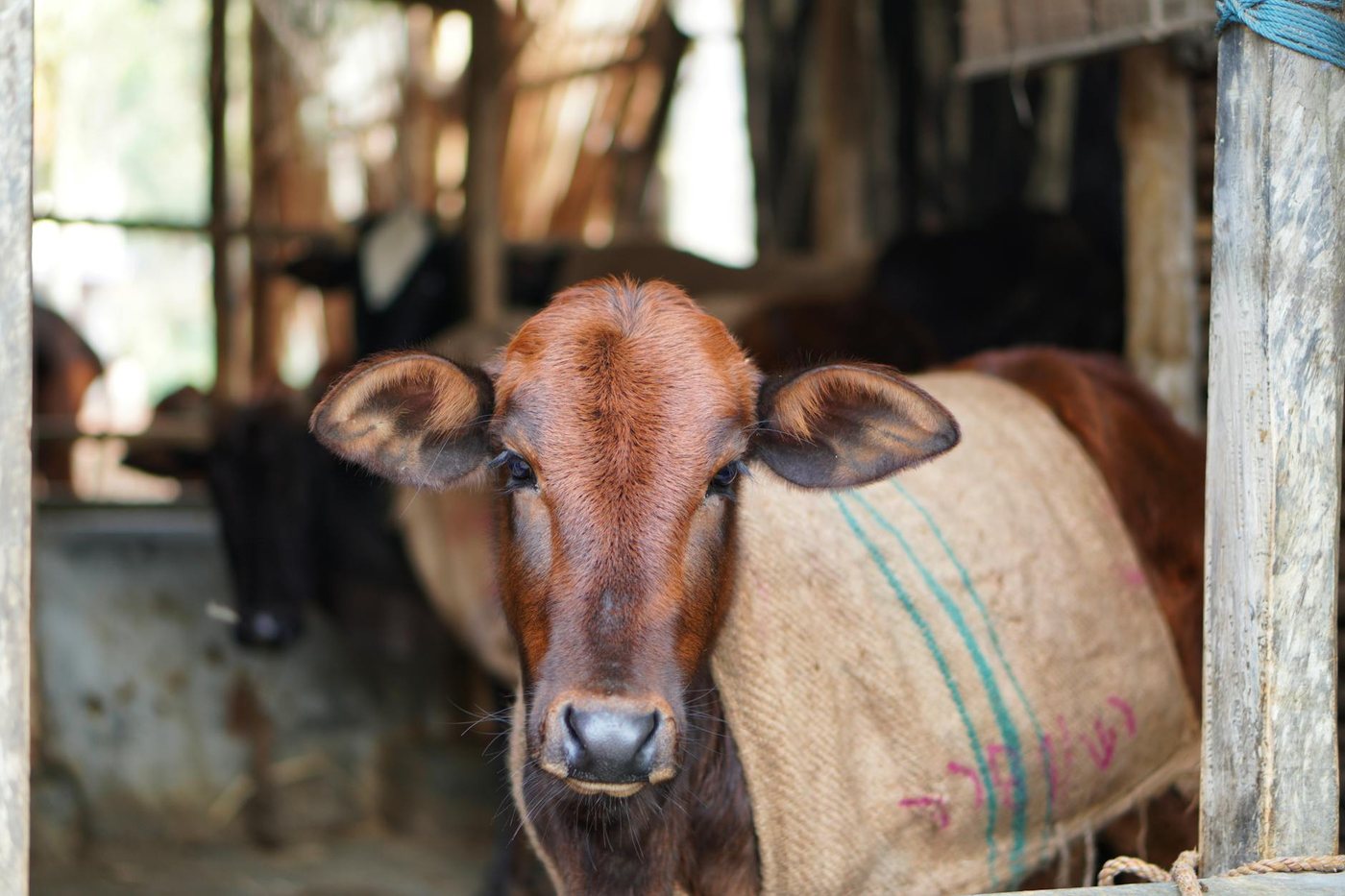
Dairy Income - What You Can Realistically Earn
Income depends on milk yield, the fat content (buffalo milk earns more per litre), your feed cost and the price your buyer pays. The honest way to judge a dairy is per animal per day: take the milk value, subtract feed and other costs, and you have your margin - then multiply by herd size. Profit comes from three levers: higher yield through good breeds and feeding, lower feed cost through home-grown fodder, and a better price through fat-based payment or value addition. Selling milk directly, or making ghee, paneer and curd, can lift returns further. The manure is a bonus income and a free input for your organic fertilizer.
Feeding and Management
Milk yield is built in the feed trough. Aim for a balanced ration of green fodder, dry fodder and a concentrate mix, with clean water always available and mineral supplements as advised by a vet. Keep the shed clean and cool - heat stress sharply cuts yield - and follow a strict vaccination, deworming and milking-hygiene routine. Healthy, comfortable animals with steady feed are what separate a profitable dairy from a struggling one.
Government Schemes and Loans for Dairy
Several schemes lower the cost of starting and expanding a dairy: the Rashtriya Gokul Mission supports indigenous cattle and breed improvement, the Animal Husbandry Infrastructure Development Fund (AHIDF) offers interest-subvention loans for dairy infrastructure and processing, and NABARD-linked dairy schemes and bank term loans fund animals and sheds. The Kisan Credit Card now covers animal husbandry for working capital. Subsidy rates and rules change, so confirm current details on the official portal or via the Subsidy Finder, and size any loan with our EMI calculator.
Common Mistakes to Avoid
- Buying too many animals at once before you have mastered feeding and management.
- Ignoring fodder cost - not growing your own green fodder is the fastest way to kill your margin.
- Poor housing - hot, dirty sheds cut yield and cause disease.
- Skipping vaccination and vet care, which risks the whole herd.
- Picking high-yield crossbreds without the feed and cooling to support them.
Want a setup plan, the right breed for your area, or help arranging a dairy loan? Enter your number above and we will call you back. Compare other options on our livestock farming hub or pair dairy with goat farming.