
Fish farming, or aquaculture, is one of the highest-earning uses of land and water in Indian agriculture, and it is growing fast on the back of strong domestic demand and heavy government support. A well-managed pond produces far more protein and income per acre than most field crops, and India's flagship fisheries scheme makes setting up genuinely affordable. Whether you have a natural pond, low-lying land that floods, or just a small plot for a modern tank system, there is a model that fits. This guide covers the main systems, the best species, the real economics and the PMMSY support behind fish farming.
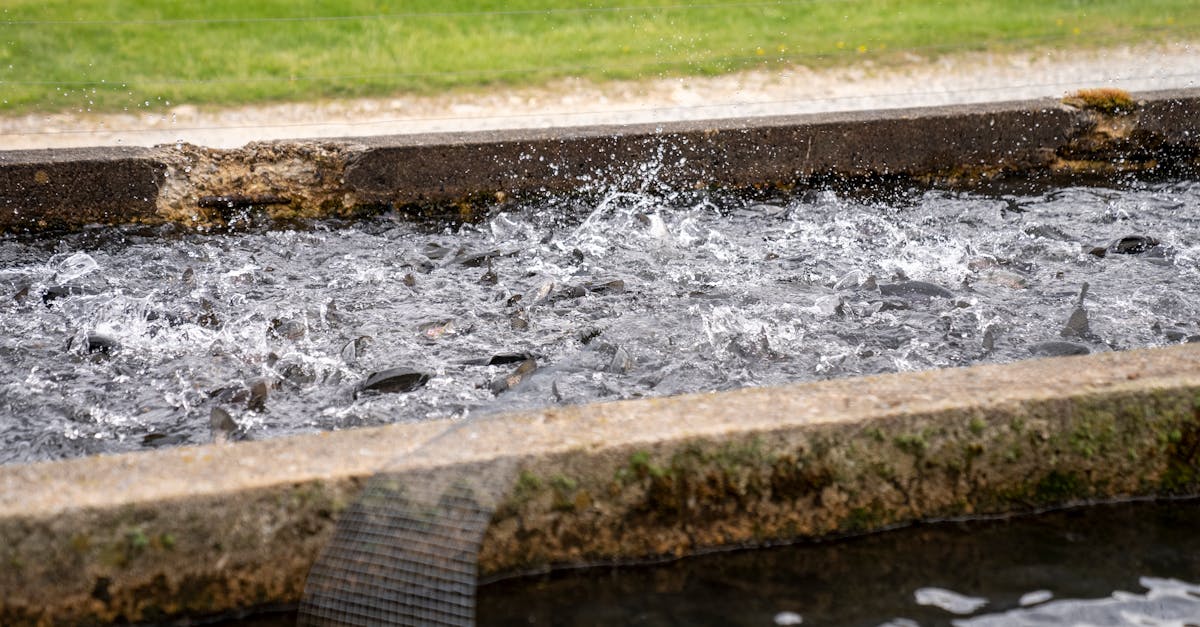
Types of Fish Farming Systems
- Composite (polyculture) pond farming: the classic, lowest-cost model, raising several compatible carp species together in one pond so the whole water column is used. Ideal where you have land and water.
- Biofloc farming: a modern, water-saving system using tanks where beneficial microbes recycle waste into feed, giving high stocking density in a small footprint. Higher setup cost and more technical, but very productive on little land.
- Recirculatory Aquaculture System (RAS): a high-tech, fully controlled tank system that reuses filtered water; the most intensive and expensive, suited to high-value fish and skilled operators.
- Cage culture and integrated fish farming (fish with ducks or crops) are other proven options.
Best Fish Species to Farm in India
- Indian major carps - rohu, catla, mrigal: the backbone of Indian aquaculture, hardy and in strong demand, grown together in composite ponds.
- Tilapia: fast-growing and hardy, popular in biofloc and intensive systems (farm only approved strains).
- Pangasius (basa): fast-growing and high-yielding, suited to intensive pond culture.
- Common carp and grass carp: often added to polyculture to use different feeds and water layers.
- Shrimp and high-value species for those with the skill and market access.
How to Start Fish Farming
- Test your water and soil and choose the right system for your land and budget.
- Prepare the pond or tank - liming, manuring and filling for ponds; tank and aeration setup for biofloc or RAS.
- Stock quality seed (fingerlings) from a reliable hatchery at the right density.
- Feed and manage water quality daily - dissolved oxygen and water quality are everything in aquaculture.
- Harvest and sell to local markets, traders or directly, ideally when prices are strong.
Fish Farming Cost and Profit
Costs differ sharply by system: a composite carp pond is the most affordable, while biofloc and especially RAS need significant tank, aeration and power investment. The running cost is dominated by seed, feed and power (for aerated systems). Because aquaculture yields are high per acre, returns can be strong, but they depend heavily on water quality management and on buying good seed - poor seed or an oxygen crash can wipe out a crop. Plan per pond or per tank using local seed, feed and fish prices rather than online averages, and start with a system you can manage technically before scaling to biofloc or RAS.
PMMSY Subsidy and Loans for Fish Farming
The Pradhan Mantri Matsya Sampada Yojana (PMMSY) is the flagship scheme for fisheries and aquaculture, offering subsidy support for ponds, biofloc units, RAS, hatcheries and more, with a higher subsidy share for women and SC/ST beneficiaries. The Fisheries and Aquaculture Infrastructure Development Fund (FIDF) finances larger infrastructure, and the Kisan Credit Card for fisheries provides working capital. Subsidy percentages and unit costs change, so confirm the latest on the official PMMSY portal or via the Subsidy Finder, and size any loan with our EMI calculator.
Common Mistakes to Avoid
- Ignoring water quality - low dissolved oxygen is the number one cause of fish loss.
- Stocking poor or wrong-sized seed, or overstocking the pond.
- Jumping into biofloc or RAS without first learning aquaculture on a simpler pond.
- Underfeeding or overfeeding, both of which hurt growth and water quality.
- No aeration backup in intensive systems, risking a total crop loss in a power cut.
Marketing and Integrated Fish Farming
A good harvest only pays if you sell it well. Line up your market before you stock the pond: local wholesale fish markets, traders, hotels and direct sales to households all work, and many farmers do best by harvesting in batches so they can sell live fish at a premium rather than flooding the market at once. To squeeze more from the same water and land, look at integrated fish farming, where fish are combined with ducks, poultry or horticulture so the waste from one feeds the other and a single plot earns from two or three streams. The pond water and nutrient-rich sludge are also excellent for irrigating and fertilising nearby crops, making aquaculture a natural fit alongside your field farming.
Want help choosing a pond, biofloc or RAS system and applying for PMMSY? Enter your number above. Compare options on the livestock hub or read about dairy farming.