
Mushroom farming is the perfect entry into commercial agriculture for anyone short on land but willing to learn a skill. You do not need a field - a clean room, shed or even a part of your house can produce mushrooms on racks, turning agricultural waste like straw into a high-value crop in a matter of weeks. The investment can be tiny, the cycle is fast, and demand for fresh and value-added mushrooms keeps rising in towns and cities. It is one of the few farming enterprises a landless family, a woman entrepreneur or a young farmer can start at home and scale steadily. This guide covers the types, how to start, the real economics, training and markets.
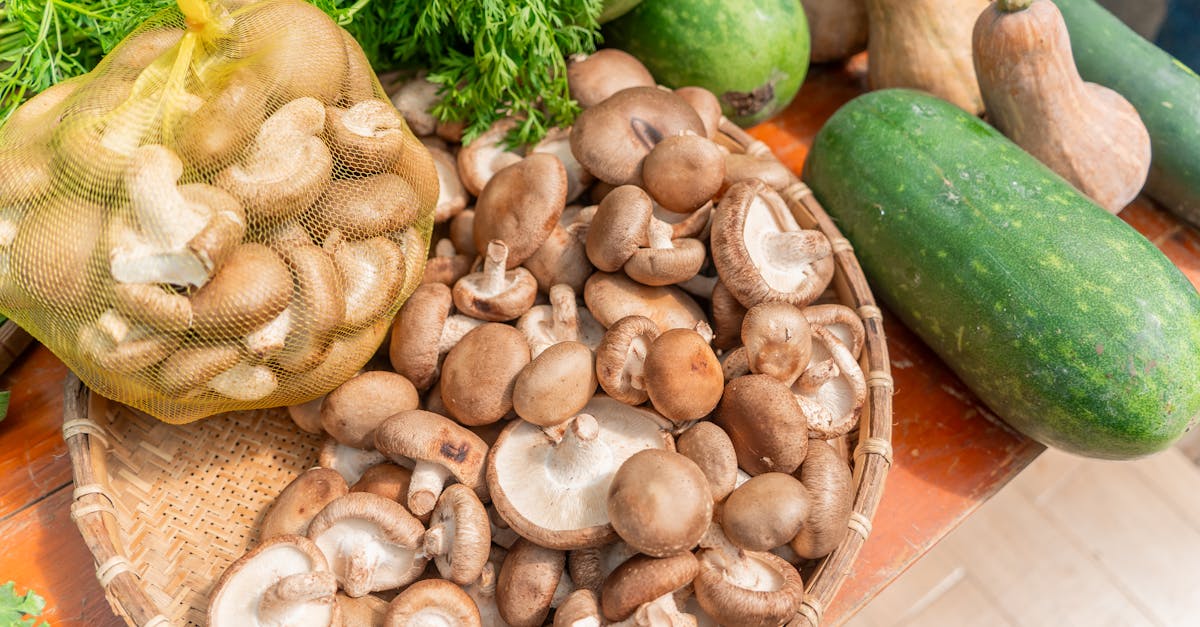
Main Types of Mushrooms to Grow
- Button mushroom: the most popular and widely sold mushroom in India, but it needs cooler, controlled temperatures, so it is often grown seasonally in the north or in climate-controlled rooms.
- Oyster mushroom: the easiest and cheapest to grow, tolerant of a wide temperature range, fast and ideal for beginners across most of India.
- Milky mushroom: suited to hot, humid climates of central and southern India, with a longer shelf life that helps marketing.
- Paddy straw mushroom: a traditional warm-climate mushroom grown on rice straw.
Most beginners start with oyster mushrooms because they are forgiving, cheap and fast, then add button or milky mushrooms as skill and market grow.
How to Start Mushroom Farming
- Get trained first - a short course at a KVK or agricultural university dramatically improves your success rate (see below).
- Set up a clean growing room with shelves or hanging space, basic humidity and ventilation control, and protection from pests.
- Buy good-quality spawn (seed) from a reliable lab - poor spawn is the most common cause of failure.
- Prepare and pasteurise the substrate (straw or other agri-waste), then mix in the spawn and fill bags or beds.
- Maintain humidity and hygiene through spawn run and fruiting, then harvest, pack and sell quickly as mushrooms are perishable.
Mushroom Farming Cost and Profit
Mushroom farming has one of the lowest entry costs in agriculture: a small oyster unit can start with very little, mainly for spawn, substrate (straw), polybags and basic racking in an existing room. The running costs are spawn, substrate and labour, and the cycle from spawning to harvest is short, so capital turns over quickly. Returns can be attractive per square foot, but they depend on hygiene (contamination is the main risk), spawn quality and finding a steady market before you scale up. Plan with local spawn and straw prices and your actual market rate, and grow your unit step by step as you build reliable buyers. Value addition - dried mushrooms, powder, pickles - can lift income further and solve the perishability problem.
Training and Where to Learn
Mushroom farming is a skill, and training is the best investment you can make before starting. Krishi Vigyan Kendras (KVKs), state agricultural universities and the ICAR-Directorate of Mushroom Research (DMR), Solan run practical courses on spawn, substrate and cultivation. A short hands-on course teaches you to control contamination and humidity, which is exactly where most first-timers fail. Ask other growers in our farmer community about courses near you.
Markets and Government Support
Sell fresh mushrooms to local vegetable markets, hotels, restaurants and retailers, and add value through drying and processing to reach wider markets and reduce wastage. Horticulture support under the Mission for Integrated Development of Horticulture (MIDH) and various state horticulture schemes can assist mushroom units and spawn labs - check current options on the Subsidy Finder. The Kisan Credit Card and small business loans can fund a larger unit.
Common Mistakes to Avoid
- Starting without training - contamination and humidity errors sink most untrained beginners.
- Using poor-quality or old spawn, which gives weak or failed crops.
- Dirty growing conditions - hygiene is everything in mushroom cultivation.
- Wrong mushroom for your climate - match the type to your temperature and humidity.
- Scaling before you have a market for a perishable crop.
Value Addition and a Second Income from Waste
Two simple moves lift mushroom income well beyond fresh sales. First, value addition: drying surplus mushrooms, grinding them into powder, or making pickles and soup mixes turns a perishable crop into shelf-stable products that fetch a higher price and reach distant markets. Second, the spent mushroom substrate left after harvest is not waste at all - it is excellent organic matter that composts into a rich soil conditioner for your field, or sells to other farmers, effectively giving you a second product from the same straw. Together these turn a small mushroom room into a tidy, low-waste business that uses every input twice.
Want help finding a training course, sourcing spawn, or planning a mushroom unit and its market? Enter your number above. See more on the livestock and allied farming hub or read about organic fertilizer made from spent mushroom substrate.