
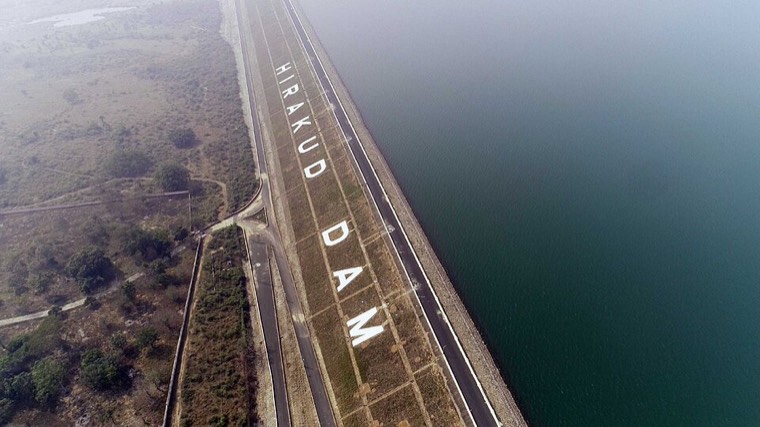
Agriculture in Sambalpur District: Rice bowl under Hirakud dam
Sambalpur is one of Odisha's notable agricultural districts, best known for rice bowl under Hirakud dam. Its farmland is fed by Mahanadi and sits on predominantly red & alluvial soil, a combination that favours rice, sugarcane, cotton. Unlike a generic state average, Sambalpur's cropping is shaped by this specific soil-and-water mix, which is why the crops and schemes below are weighted to what actually grows and sells here.
What Grows Best in Sambalpur
The district's main crops are Rice (Paddy), Sugarcane, Cotton. rice leads the local economy, so Sambalpur farmers should track the Rice (Paddy) rate closely and plan sowing, inputs and storage around it. The red & alluvial soil here is fertile and well-drained, ideal for wheat, rice, sugarcane and vegetables.
Crop Calendar for Sambalpur (Sowing & Harvest)
Based on Sambalpur's main crops, here is when to sow and harvest locally. Plan inputs, labour and credit around these windows:
| Crop | Season & Window | All-India rate (3 October 2026) |
|---|---|---|
| 🍚 Rice (Paddy) | Kharif (Sow: Jun-Jul, Harvest: Oct-Nov) | ₹3,680/qtl |
| 🎋 Sugarcane | Plant: Feb-Mar (spring) or Oct-Nov (autumn), Harvest: 10-12 months | ₹350/qtl |
| 🪴 Cotton | Kharif (Sow: Apr-Jun, Pick: Oct-Jan) | ₹8,250/qtl |
Soil, Water & Irrigation in Sambalpur
With red & alluvial soil and water from the Mahanadi, the priority for Sambalpur farmers is matching irrigation to the crop. Drip and sprinkler subsidies and a solar pump can cut water and power costs significantly. A free soil health card tells you exactly which nutrients your plot needs.
Best Way to Sell rice from Sambalpur
Since rice is central to Sambalpur, time your sale using the live rice rate. Compare rates at the nearest APMC mandi with the Odisha price page. Grade and clean produce for a 15-20% premium, and list on eNAM to reach buyers beyond Sambalpur.
Mandi Prices in Sambalpur
These are the crops actually trading in Sambalpur's markets (Rairakhol APMC), with the modal price per quintal reported on 1 June 2026:
| Commodity | Min | Max | Modal Price |
|---|---|---|---|
| Potato | ₹1,000 | ₹1,600 | ₹1,200 |
| Bhindi(Ladies Finger) | ₹3,800 | ₹4,500 | ₹4,200 |
| Brinjal | ₹1,500 | ₹2,500 | ₹2,000 |
| Onion | ₹1,200 | ₹1,800 | ₹1,500 |
Source: Agmarknet daily arrivals for Sambalpur, Odisha, as of 1 June 2026.
What Sambalpur Actually Grows: Official Crop Statistics
In 2024-25, Sambalpur's largest crops by area were Rice (Paddy), Mustard (Rapeseed), Moong (Green Gram). Rice (Paddy) alone covered 1,11,885 ha (97% of the area under the crops listed below), with a yield of 2,604 kg/ha, 5% above the Odisha average.
| Crop | Area (ha) | Production (tonnes) | Yield (kg/ha) | Odisha avg yield | Area change since 2019-20 |
|---|---|---|---|---|---|
| Rice (Paddy) | 1,11,885 | 2,91,313 | 2,604 | 2,485 | -13% |
| Mustard (Rapeseed) | 1,373 | 908 | 661 | 342 | +111% |
| Moong (Green Gram) | 1,349 | 1,150 | 853 | 480 | +3% |
| Sesame (Til) | 680 | 267 | 392 | 265 | +25% |
| Maize (Corn) | 130 | 336 | 2,595 | 3,071 | +30% |
| Groundnut | 109 | 317 | 2,908 | 2,096 | +2079% |
| Ragi (Finger Millet) | 103 | 42 | 406 | 872 | +5055% |
Source: Directorate of Economics & Statistics, Ministry of Agriculture & Farmers Welfare, Govt of India (final estimates), via UPAg. Field crops only - vegetables, fruit and spices are counted separately. Odisha average = sum of the state's district estimates.
Climate & Sowing Windows in Sambalpur
Sambalpur receives about 1446 mm of rain in an average year, 83% of it in June-September. The wettest month is July (378 mm). Days are hottest in May (average high 42°C) and nights coolest in January (average low 11°C).
- Rain typically first crosses 100 mm a month in June, the usual cue for kharif sowing here.
- 83% of the year's rain falls in June-September, so rabi and summer crops need assured irrigation.
- May days average 42°C, so summer (zaid) crops and young orchards need frequent irrigation and mulching.
| Month | Rain (mm) | Avg high | Avg low |
|---|---|---|---|
| January | 11 | 26° | 11° |
| February | 15 | 31° | 14° |
| March | 20 | 36° | 20° |
| April | 30 | 41° | 25° |
| May | 55 | 42° | 27° |
| June | 210 | 36° | 27° |
| July | 378 | 31° | 24° |
| August | 373 | 30° | 24° |
| September | 245 | 30° | 24° |
| October | 88 | 29° | 21° |
| November | 10 | 27° | 15° |
| December | 11 | 25° | 11° |
Source: NASA POWER long-term monthly averages (satellite and model based, so they can understate rain on coasts and hills) for the centre of Sambalpur district (21.5571, 84.1529). These are normals, not a forecast for any one year; for this week see the farm weather forecast.
For Sambalpur Farmers: Solar Pumps & Tractors
Districts Near Sambalpur
Before you sell, compare mandis in neighbouring districts too (straight-line distance between district centres):
- Jharsuguda - 33 km
- Debagarh - 60 km
- Sundargarh - 60 km
- Bargarh - 71 km
- Subarnapur - 84 km
- Angul - 97 km
Land records and Farmer ID in Odisha
Government Schemes for Sambalpur Farmers
Farmers in Sambalpur are eligible for PM Kisan Samman Nidhi, Pradhan Mantri Fasal Bima Yojana, Kisan Credit Card, Soil Health Card Scheme, PM Krishi Sinchayee Yojana, eNAM - National Agriculture Market and more. For Sambalpur's rice growers, crop insurance, KCC and irrigation subsidies are the priority. Apply at the Sambalpur district agriculture office, a CSC, or online via the Subsidy Finder.