
Termites in Wheat Control
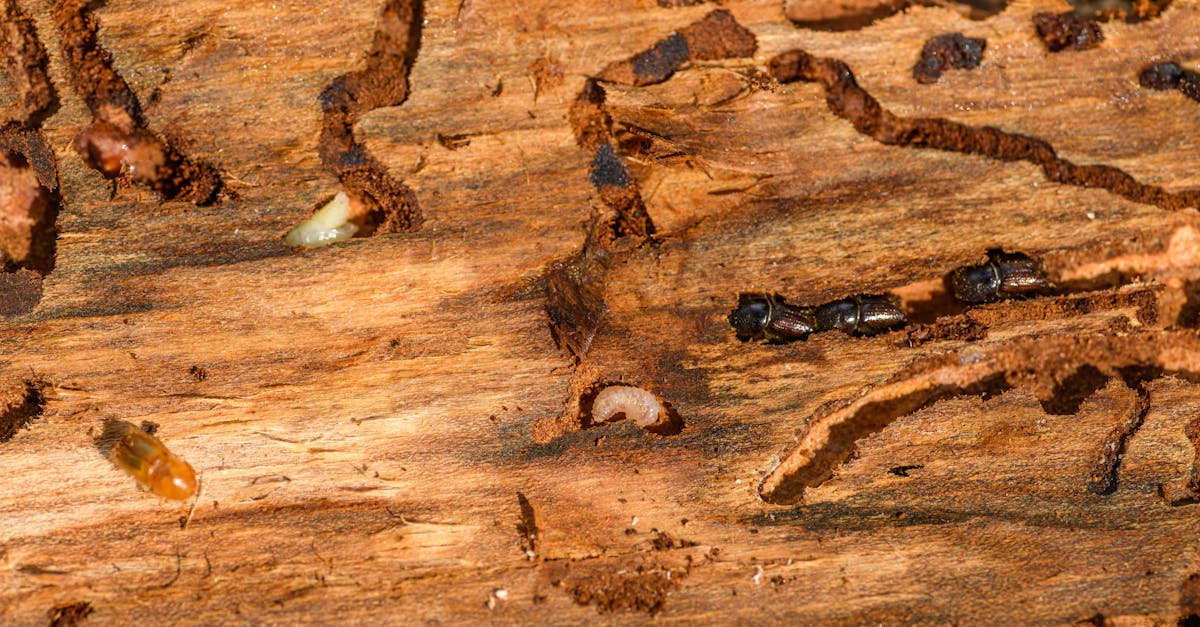
Symptoms
Plants wilt suddenly, dry up and can be pulled out easily because termites eat the roots and bore into the underground stem, often filling it with soil. Damage appears in patches, more in light sandy soils, unirrigated fields and fields with lots of undecomposed crop residue or raw farmyard manure. Both germinating seedlings and the maturing crop can be attacked, with wilted dead plants scattered through the field.
Damage
Termites can kill seedlings and reduce the plant stand, and by attacking the maturing crop they cause lodging and dead patches, leading to yield losses that can be heavy in sandy, dryland or residue rich fields. Damage is usually worse under moisture stress.
Organic & cultural control
Make sure farmyard manure is fully decomposed before applying because raw manure attracts termites. Remove and do not leave large amounts of undecomposed crop residue and stubble in the field. Give a light irrigation as termite activity drops when the soil is moist. Deep summer ploughing exposes termite colonies to the sun and birds and helps reduce their numbers over time.
Chemical control
Where termites are a known problem, treat seed before sowing with a registered insecticide such as chlorpyriphos 20 EC or fipronil, or apply a recommended soil insecticide with irrigation in a standing affected crop. Always follow the product label dose, observe the pre harvest interval and consult your KVK or agronomist for the correct product and method, as misuse near harvest is unsafe.
Always follow the product label, the recommended pre-harvest interval, and your local KVK or agronomist. Pesticide approvals change, so verify before use.
Prevention
Use only well rotted compost and manure, incorporate crop residue early so it decomposes before sowing, and do deep summer ploughing. In termite prone sandy fields use seed treatment at sowing and keep the soil from drying out completely. Destroy any termite mounds found in or around the field.
FAQs
Why are termites worse in my sandy unirrigated field?
Does raw cow dung manure attract termites?
How can I protect my crop from termites at sowing?
Get advice from farmers on your crop problem
Ask the community