
Wheat Yellow Rust (Stripe Rust) Control
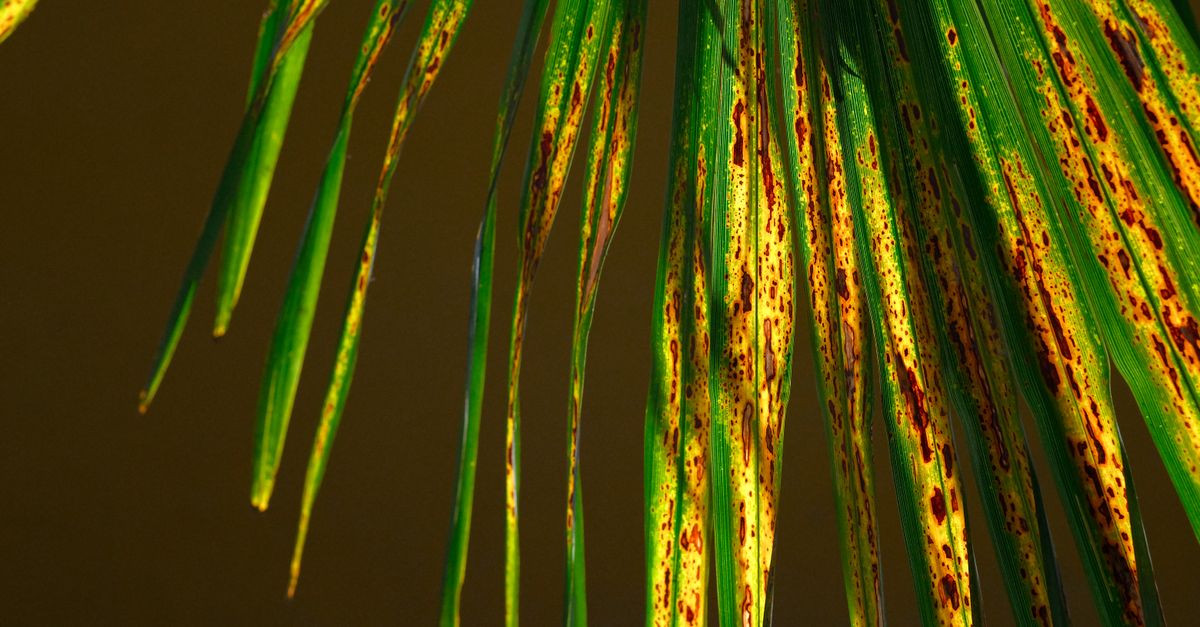
Symptoms
Bright yellow to orange powdery pustules arranged in long parallel stripes along the veins on the upper surface of leaves. The yellow powder rubs off easily on fingers and clothes. Stripes may also appear on leaf sheaths and on the glumes of the ear. It is a cold weather disease, appearing first in the cooler northern hills and north western plains, usually from December to February when nights are cold and dewy.
Damage
Yellow rust is the most damaging wheat rust in north India and can cause yield losses of 10 to 70 percent, and in severe early epidemics on susceptible varieties almost total loss. The pustules destroy green leaf area, reduce photosynthesis, cause shrivelled grains and lower test weight. Early infection before flowering is the most damaging.
Organic & cultural control
Grow rust resistant varieties recommended for your zone as this is the single most effective and economical control. Sow at the recommended time and avoid very early or very late sowing. Avoid excessive nitrogen and dense crop stands that keep the canopy humid. Scout fields regularly from December, especially near hills and in shaded or wind protected pockets, and report the first yellow stripes to your KVK so timely action can be taken across the area.
Chemical control
On first appearance of yellow rust spray a registered triazole fungicide such as propiconazole 25 EC or tebuconazole, or a combination product like tebuconazole plus trifloxystrobin, with thorough coverage of the foliage. Repeat as per label if disease continues to spread. Always follow the product label dose, observe the pre harvest interval and consult your KVK or agronomist before spraying to confirm the correct fungicide and timing for your area.
Always follow the product label, the recommended pre-harvest interval, and your local KVK or agronomist. Pesticide approvals change, so verify before use.
Prevention
Use only certified seed of currently recommended resistant varieties and change varieties when older ones lose resistance. Sow on time, balance fertiliser use and avoid excess nitrogen. Destroy volunteer wheat and self sown plants that carry the fungus between seasons. Coordinate with neighbours and KVK for area wide surveillance because the spores travel long distances on wind.
FAQs
How do I know it is yellow rust and not another rust?
When is yellow rust most likely to attack my wheat?
What is the cheapest way to protect my crop from yellow rust?
Get advice from farmers on your crop problem
Ask the community