
Wheat Aphids Control
Symptoms
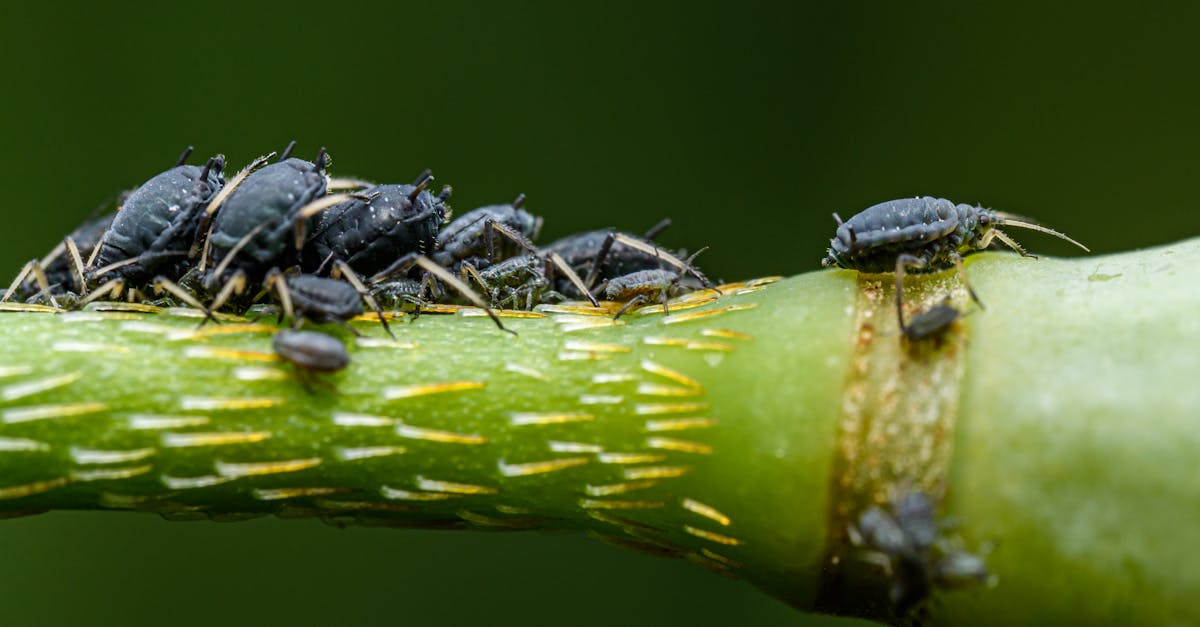
Small soft bodied green, brown or black insects cluster on leaves, stems and especially on the emerging ears, where they suck the plant sap. Infested plants show yellowing, curling and weakening, and a sticky sweet substance called honeydew coats the leaves on which a black sooty mould often grows. Ants moving up and down the plants are a common sign. Aphids are most active in cool cloudy weather from December to February.
Damage
Heavy aphid colonies on the ear reduce grain filling, cause shrivelled lighter grains and lower yield, with losses often of 10 to 20 percent and higher in severe attacks. The sooty mould growing on honeydew further reduces photosynthesis. Aphids can also transmit virus diseases such as barley yellow dwarf.
Organic & cultural control
Conserve natural enemies such as ladybird beetles, hoverfly larvae and lacewings which feed heavily on aphids and often control them without any spray. Avoid excess nitrogen and dense crops that encourage aphids. A spray of neem oil or neem seed kernel extract helps reduce light infestations. Scout the ears weekly and act only when colonies build up.
Chemical control
Spray only when aphid numbers are high on the ears and natural enemies are few, using a registered insecticide such as thiamethoxam 25 WG, imidacloprid 17.8 SL or dimethoate 30 EC at the recommended dose. Spray in the evening to protect bees and natural enemies. Always follow the product label dose, observe the pre harvest interval and consult your KVK or agronomist before spraying.
Always follow the product label, the recommended pre-harvest interval, and your local KVK or agronomist. Pesticide approvals change, so verify before use.
Prevention
Sow at the recommended time, use balanced nitrogen and keep the crop healthy but not lush. Encourage natural enemies by avoiding unnecessary broad spectrum sprays early in the season. Monitor the crop from heading onwards and use an economic threshold rather than spraying on first sight, since a few aphids are normal and beneficial insects usually keep them in check.
FAQs
Should I spray as soon as I see a few aphids on wheat?
What is the sticky black coating on my wheat leaves?
Can aphids spread diseases to wheat?
Get advice from farmers on your crop problem
Ask the community