
Sheath Blight Control
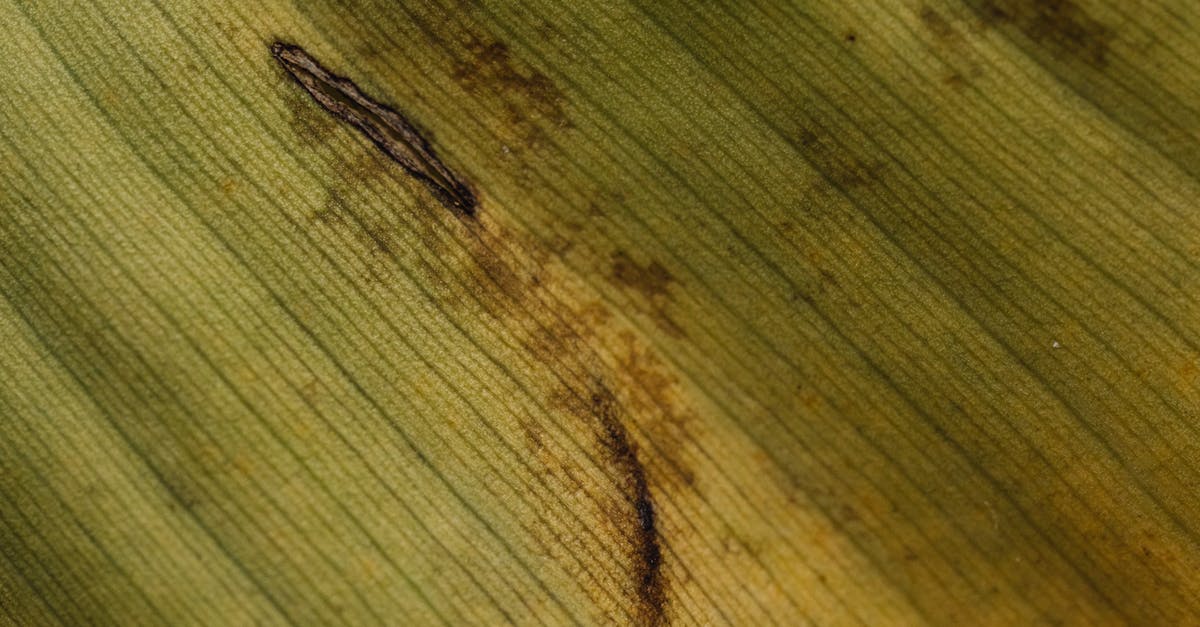
Symptoms
Sheath blight is caused by the fungus Rhizoctonia solani. It first appears as greenish grey, water soaked, oval spots on the leaf sheath near the water line. The spots enlarge into greyish white centres with brown irregular margins and join to form snake skin or banded patterns. The disease climbs up the sheaths and leaves, drying them. White to brown seed like sclerotia form on infected parts and survive in soil and stubble.
Damage
Drying of sheaths and leaves reduces photosynthesis and grain filling, and when the disease reaches the flag leaf the loss is greatest. Yield loss is usually 10 to 25 percent and can be higher in dense, heavily fertilised crops. It is favoured by high nitrogen, close planting, high humidity and continuous flooding.
Organic & cultural control
Avoid excess nitrogen and very dense planting to improve air flow and lower humidity in the canopy. Keep wider spacing and use alternate wetting and drying instead of deep continuous flooding. Treat seed and spray with Trichoderma harzianum or Pseudomonas fluorescens. Remove floating sclerotia and debris during land preparation and destroy infected stubble after harvest.
Chemical control
When the disease starts spreading up the sheaths, recommended fungicides include validamycin, hexaconazole, propiconazole, or the combination azoxystrobin plus tebuconazole, directed at the lower canopy near the water line. Spray at early infection and again if needed around boot stage to protect the flag leaf. Always follow the product label dose, observe the pre-harvest interval, and consult your local KVK or agronomist before spraying.
Always follow the product label, the recommended pre-harvest interval, and your local KVK or agronomist. Pesticide approvals change, so verify before use.
Prevention
Use balanced and split nitrogen, avoid dense planting, keep wider spacing for air flow, use alternate wetting and drying, and remove floating sclerotia at land preparation. Destroy infected stubble and rotate where possible to lower the soil load of the fungus.
FAQs
Where does sheath blight start on the plant?
What are the white seed like bodies on infected sheaths?
Does close planting increase sheath blight?
Get advice from farmers on your crop problem
Ask the community