
Gundhi Bug (Rice Ear Bug) Control
Symptoms
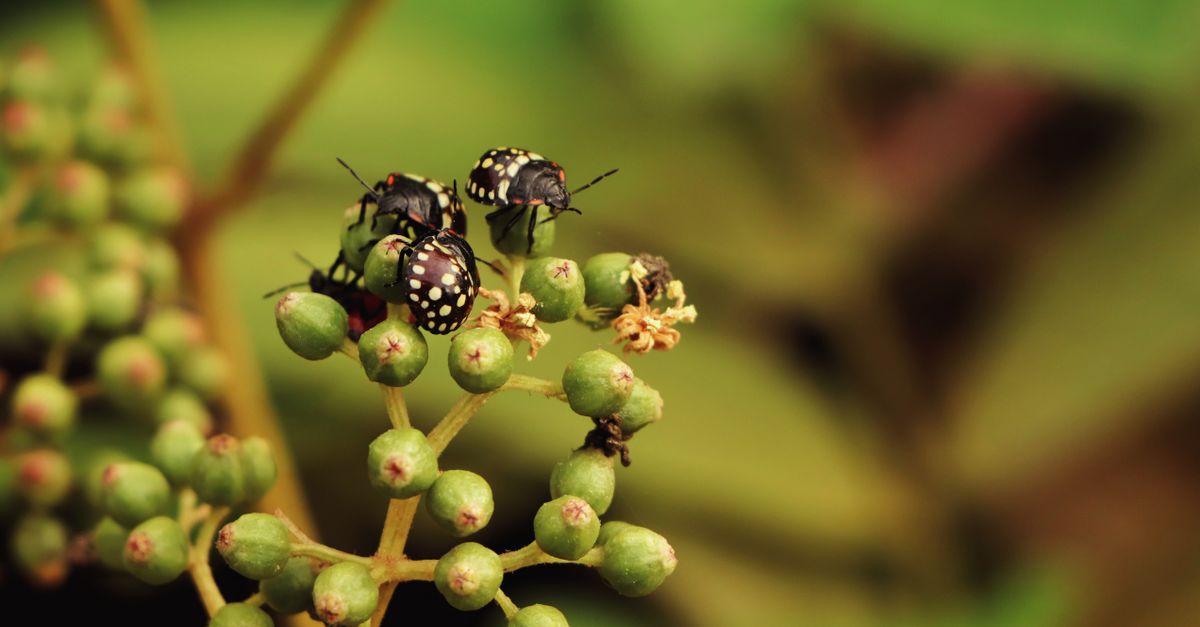
Gundhi bug (Leptocorisa acuta and related species) is a slender greenish brown bug that gives off a strong foul smell. Both nymphs and adults suck the milky contents of developing grains at the flowering and milk stage. This produces empty or partly filled grains with dark brown or black spots and shrivelled, chaffy panicles. The foul smell in the field is a reliable sign.
Damage
Feeding on milky grains causes unfilled and discoloured grains, lowering both yield and grain quality and market price. In severe infestation 20 to 30 percent of grains can be damaged. The bug is most damaging from heading through the milk stage and prefers staggered or late flowering fields.
Organic & cultural control
Synchronise planting and flowering across the area so bugs do not move from one field to another. Remove weeds and grassy hosts on bunds. Catch adults with hand nets in the early morning. Some farmers hang foul smelling baits to attract and trap bugs. Spray neem based products at heading. Conserve spiders and other natural enemies.
Chemical control
When bugs cross the threshold at heading and milk stage, recommended insecticides include malathion, flonicamid or a recommended dust applied in the early morning or evening when bugs are active. Time the spray to the milk stage when grains are most vulnerable. Always follow the product label dose, strictly observe the pre-harvest interval since grains are near harvest, and consult your local KVK or agronomist before spraying.
Always follow the product label, the recommended pre-harvest interval, and your local KVK or agronomist. Pesticide approvals change, so verify before use.
Prevention
Plant the whole area at the same time so flowering is synchronised, keep bunds and field margins free of grassy weeds, avoid staggered late sowing, and monitor from heading. Early morning hand netting and timely action at the milk stage protect grain quality.
FAQs
Why does my rice field smell bad at flowering?
When is gundhi bug most damaging?
Why must I respect the pre-harvest interval for gundhi bug sprays?
Get advice from farmers on your crop problem
Ask the community