
Brown Planthopper (BPH) Control
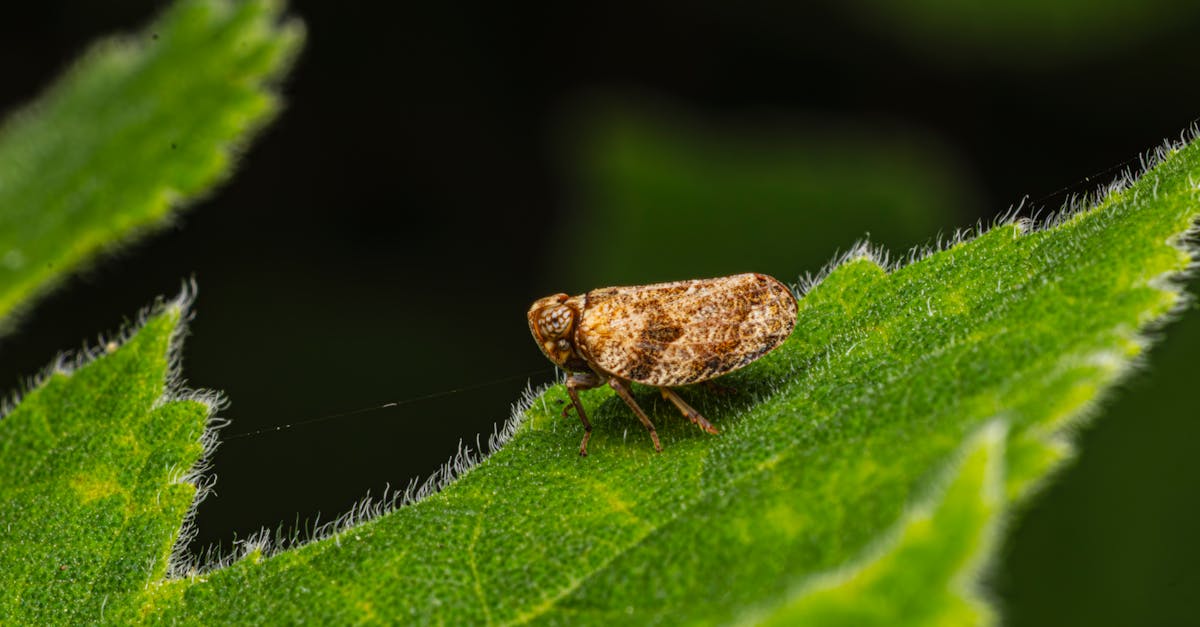
Symptoms
Brown planthopper (Nilaparvata lugens) is a small brownish sap-sucking insect that stays at the base of the plant near the water line. Both nymphs and adults suck sap from the stem. Affected plants turn yellow, then dry up. Circular patches of dried, lodged plants appear in the field, a symptom called hopperburn. Sooty mould may grow on honeydew. BPH also spreads grassy stunt and ragged stunt viruses.
Damage
Heavy sap loss weakens plants and causes complete drying in patches that spread outward. Severe attack at flowering and grain filling can cause 10 to 70 percent yield loss and sometimes total crop failure. Excess nitrogen, close planting, and continuous flooding increase BPH outbreaks.
Organic & cultural control
Drain the field for a few days to expose insects and let air in. Keep wider spacing and alopaths every 2 to 3 metres for light and inspection. Avoid excess nitrogen. Conserve natural enemies like spiders, mirid bugs and water striders by avoiding unnecessary sprays. Spray neem oil based products or apply Metarhizium and Beauveria bassiana biopesticides. Grow resistant varieties where available.
Chemical control
BPH has developed resistance to imidacloprid and several older insecticides in many parts of India, so these often fail and should be avoided for repeat use. Newer molecules such as triflumezopyrim, pymetrozine, dinotefuran or flonicamid are commonly recommended; direct the spray to the base of the plant where BPH hides. Never spray synthetic pyrethroids as they can trigger BPH resurgence. Rotate modes of action to delay resistance. Always follow the product label dose, observe the pre-harvest interval, and consult your local KVK or agronomist before spraying.
Always follow the product label, the recommended pre-harvest interval, and your local KVK or agronomist. Pesticide approvals change, so verify before use.
Prevention
Use resistant varieties, avoid excess nitrogen and split the dose, keep 30 cm wide alleys after every 2 to 3 metres, avoid very close planting, and practise alternate wetting and drying instead of continuous flooding. Monitor the crop base weekly from tillering and avoid blanket pyrethroid sprays.
FAQs
Why is imidacloprid not controlling brown planthopper?
What is hopperburn in rice?
Does draining the field help against BPH?
Get advice from farmers on your crop problem
Ask the community