
Rice Blast Control
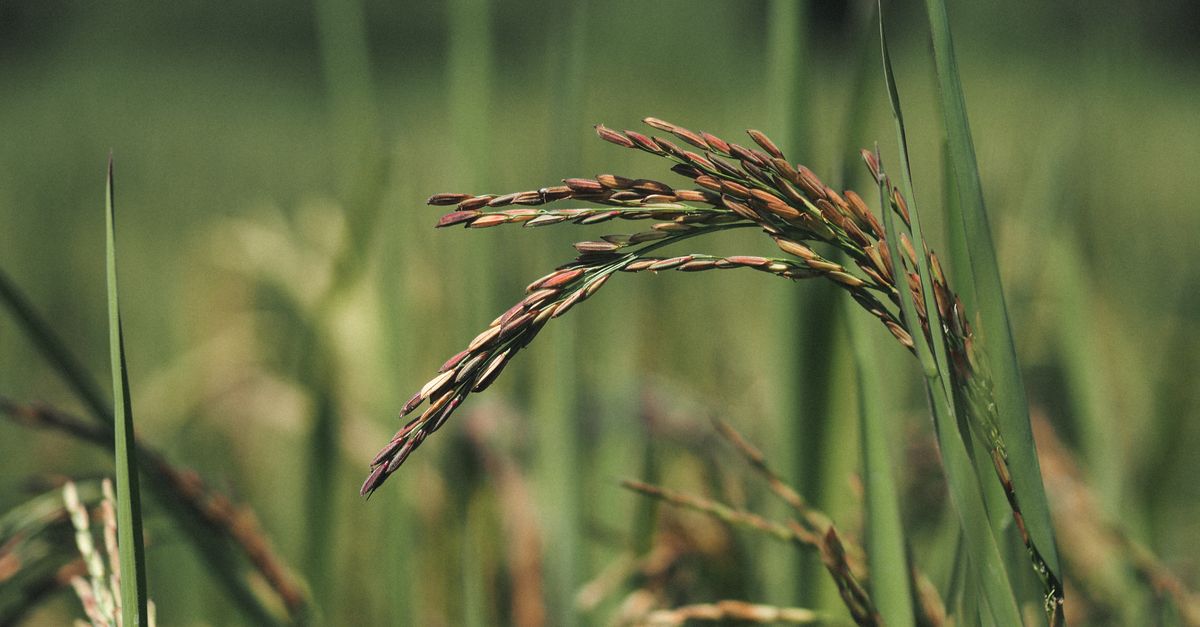
Symptoms
Rice blast is caused by the fungus Magnaporthe oryzae. On leaves it makes spindle or eye shaped spots with grey or whitish centres and brown to reddish margins. Spots enlarge and join, drying the leaves. Lesions also form on the collar, nodes and panicle neck. Neck blast turns the panicle base brown to black, the panicle breaks or stays unfilled, giving white empty earheads. It spreads fast in cool, humid, cloudy weather with heavy dew.
Damage
Blast can kill seedlings, dry leaves and break panicle necks. Neck and panicle blast are the most damaging because they directly cause unfilled grains. Yield loss varies from minor to over 50 percent in severe outbreaks with a susceptible variety and favourable weather.
Organic & cultural control
Grow resistant or tolerant varieties suited to your area. Use clean, treated seed and avoid excess nitrogen, especially late top dressing. Split nitrogen and keep balanced potash. Avoid dense planting to improve air flow. Treat seed with Trichoderma or Pseudomonas fluorescens and apply these as foliar sprays. Remove and destroy infected stubble after harvest.
Chemical control
Tricyclazole has long been the main fungicide for blast in India, but its use status has come under regulatory review, so check current approval before buying. Effective alternatives and combinations include azoxystrobin plus difenoconazole, azoxystrobin plus tebuconazole, isoprothiolane or kasugamycin. Spray protectively at early leaf blast and again at boot or heading to prevent neck blast in high risk weather. Always follow the product label dose, observe the pre-harvest interval, and consult your local KVK or agronomist before spraying.
Always follow the product label, the recommended pre-harvest interval, and your local KVK or agronomist. Pesticide approvals change, so verify before use.
Prevention
Use resistant varieties and clean treated seed, avoid excess and late nitrogen, keep balanced potash, avoid dense planting, manage water well, and destroy infected residues. Watch the weather and scout fields during cool, humid, cloudy spells when blast spreads fastest.
FAQs
What does rice blast look like?
Does too much nitrogen increase blast?
Is tricyclazole still allowed for blast?
Get advice from farmers on your crop problem
Ask the community