
White-Backed Planthopper (WBPH) Control
Symptoms
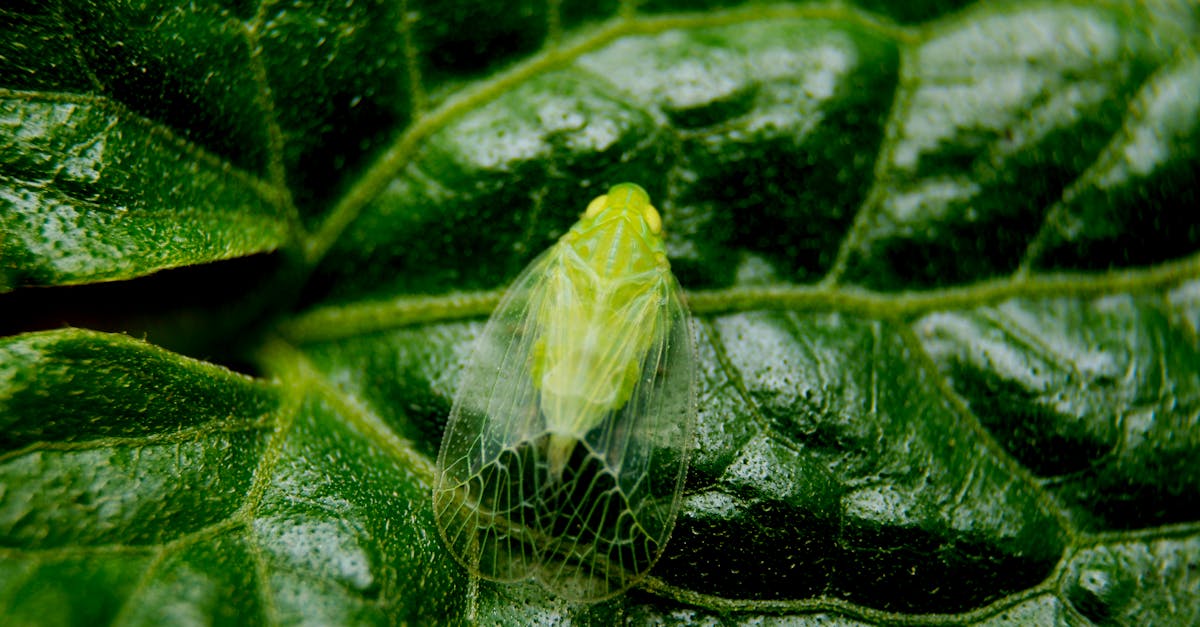
White-backed planthopper (Sogatella furcifera) is a small hopper with a distinct white stripe on its back. Nymphs and adults suck sap at the base of the plant. Leaves turn yellow to orange, plants are stunted, and severe feeding causes drying similar to hopperburn. Honeydew and sooty mould may appear. It often attacks earlier in the season than brown planthopper.
Damage
Continuous sap sucking weakens plants, reduces tillering and grain filling, and can cause yield loss of 10 to 60 percent in heavy infestation. Like BPH it favours high nitrogen and dense, continuously flooded crops and can occur in mixed populations with brown planthopper.
Organic & cultural control
Drain water periodically, avoid excess nitrogen, keep alleyways for light and inspection, and conserve natural enemies like mirid bugs and spiders. Spray neem based products and use Metarhizium or Beauveria bassiana biopesticides. Use light traps to monitor adult flights. Grow tolerant varieties where available.
Chemical control
When the economic threshold is crossed, recommended molecules include pymetrozine, dinotefuran, triflumezopyrim or buprofezin directed at the plant base. Avoid synthetic pyrethroids and avoid repeated use of the same neonicotinoid, since resistance and pest resurgence are concerns as with brown planthopper. Rotate modes of action. Always follow the product label, respect the pre-harvest interval, and consult your local KVK or agronomist before spraying.
Always follow the product label, the recommended pre-harvest interval, and your local KVK or agronomist. Pesticide approvals change, so verify before use.
Prevention
Use tolerant varieties, balanced and split nitrogen, wider spacing with alleys, and alternate wetting and drying. Monitor the crop base from early tillering and avoid blanket pyrethroid sprays that can cause resurgence.
FAQs
How is white-backed planthopper different from brown planthopper?
Can light traps help against white-backed planthopper?
Does excess nitrogen increase WBPH?
Get advice from farmers on your crop problem
Ask the community