
Root Knot Nematode Control
Symptoms
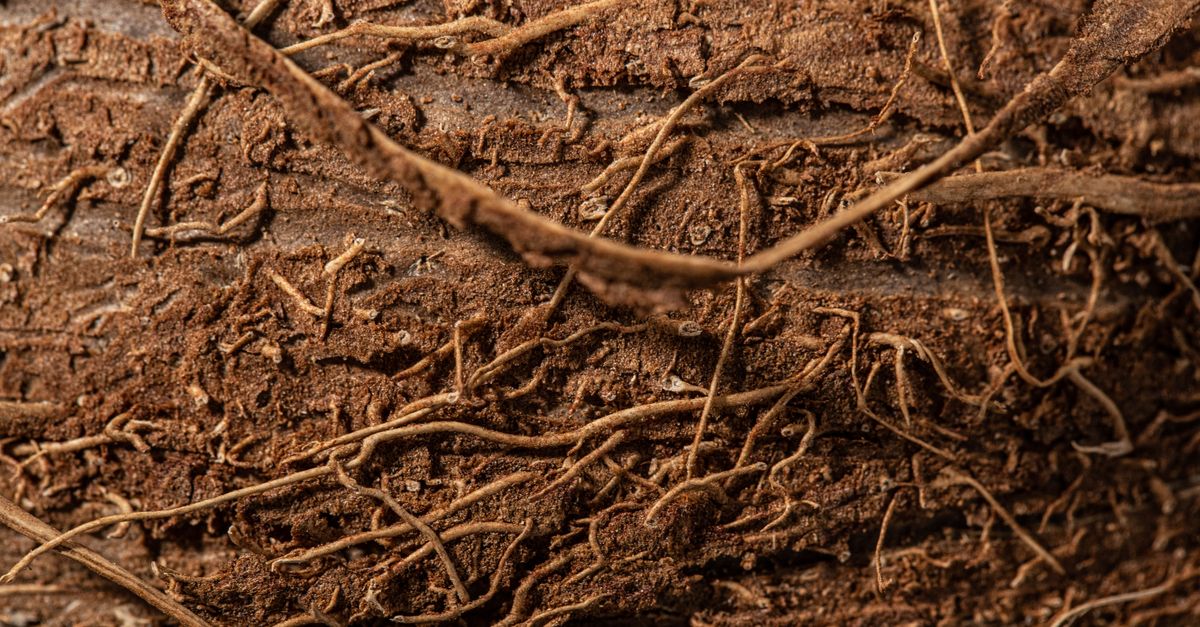
Rice root knot nematode (Meloidogyne species, especially Meloidogyne graminicola) is a tiny soil worm that attacks the roots. It causes hook like or knotted swellings called galls on the root tips, which are the key sign. Above ground the plants are stunted, pale or yellowish, with poor tillering and patchy uneven growth in the field. Symptoms are often worse in aerobic, upland or intermittently flooded nurseries and direct seeded rice.
Damage
Galled roots cannot take up water and nutrients well, so plants stay stunted and yellow, tiller poorly and set fewer grains. In aerobic and direct seeded rice and infested nurseries, root knot nematode can cause significant yield loss. The damage is often patchy, matching where nematode numbers are high, and it weakens plants making them more sensitive to drought and other stress.
Organic & cultural control
Keep the nursery and field continuously flooded where possible, since standing water strongly suppresses this nematode. Practise crop rotation with non host crops and avoid continuous rice on infested land. Add organic manure, compost and neem cake which support nematode antagonists. Solarise the nursery soil in summer. Use clean, nematode free seedlings and remove and destroy heavily galled plants.
Chemical control
Cultural and flooding methods are the first line because continuous standing water suppresses the nematode well. Where infestation is heavy in aerobic or direct seeded rice, soil application of an approved nematicide or bio nematicide such as Paecilomyces lilacinus or Pochonia chlamydosporia may be recommended, ideally in the nursery. Chemical nematicides are restricted and hazardous, so use only approved products. Always follow the product label dose, observe the pre-harvest interval, and consult your local KVK or agronomist before applying.
Always follow the product label, the recommended pre-harvest interval, and your local KVK or agronomist. Pesticide approvals change, so verify before use.
Prevention
Keep nurseries and fields flooded where possible, rotate with non host crops, raise clean nematode free seedlings, add organic manure and neem cake, solarise nursery soil in summer, and avoid moving infested soil or seedlings. These steps keep nematode numbers low without heavy chemical use.
FAQs
How do I know my rice has root knot nematode?
Does flooding control root knot nematode?
Does crop rotation help against nematodes?
Get advice from farmers on your crop problem
Ask the community