Chilli Yellow Mite (Broad Mite) Control
Symptoms
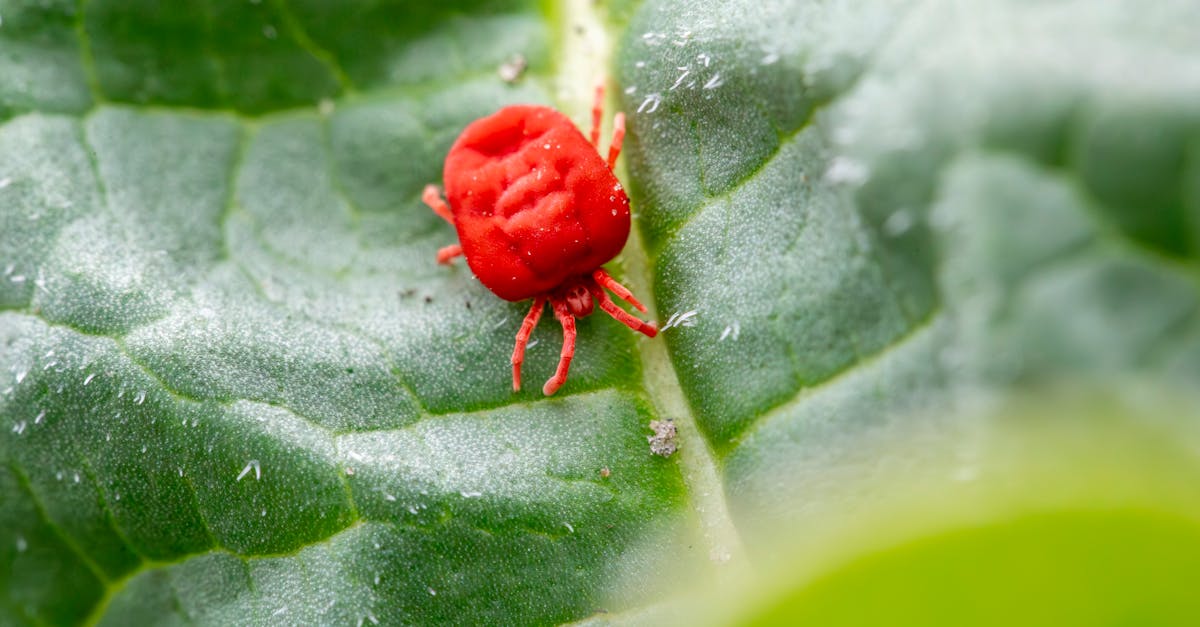
Leaves curl downward along the margins, become narrow, thick and brittle with a leathery bronze or coppery shine on the underside, giving an inverted umbrella appearance. New growth is stunted and distorted, internodes shorten and flowers drop. The mites are too small to see without a hand lens and stay mostly on tender young leaves, buds and growing tips. Damage looks like leaf curl but is caused by the broad mite Polyphagotarsonemus latus.
Damage
The broad or yellow mite is a major contributor to the chilli leaf curl complex along with thrips and can cause yield losses of 12 to 90 percent. By attacking the growing points it stops new leaves and flowers from developing, severely reducing fruit set. The downward curling and bronzing it causes is often confused with virus or thrips, which leads farmers to use the wrong control. It builds up fast in warm humid weather and on dense crops.
Organic & cultural control
Spray neem oil at 5 ml per litre or neem seed kernel extract at 5 percent thoroughly on the growing tips and leaf undersides where mites stay. Wettable sulphur at the recommended dose checks mites and is allowed in organic systems, but avoid it in very hot weather to prevent leaf burn. Release predatory mites in protected cultivation. Keep the crop well spaced and remove badly affected shoots. Maintain good plant vigour and avoid the dense humid canopy that mites prefer.
Chemical control
For yellow mite use a specific acaricide such as abamectin 1.9 EC, spiromesifen 22.9 SC, fenpyroximate, propargite or diafenthiuron, spraying thoroughly on the new growth and leaf underside. Note that ordinary insecticides used for thrips do not kill mites, so a miticide is needed when mites are confirmed. Rotate acaricide groups to avoid resistance. Always follow the product label dose, observe the pre harvest interval and consult your KVK or agronomist before spraying.
Always follow the product label, the recommended pre-harvest interval, and your local KVK or agronomist. Pesticide approvals change, so verify before use.
Prevention
Use healthy mite free seedlings and avoid carrying mites from the nursery to the field. Scout the growing tips regularly with a hand lens, especially in warm humid weather, to catch mites before curling spreads. Keep wide spacing for good air movement, remove badly affected plants, and control weeds. Avoid excess nitrogen which produces soft new growth that mites love, and conserve natural predators by not overspraying broad spectrum insecticides.
FAQs
Why did my thrips spray not stop the leaf curling in chilli?
The mite is too small to see, how do I confirm it?
Can I use sulphur for mites in chilli?
Get advice from farmers on your crop problem
Ask the community