Thrips Control
Symptoms
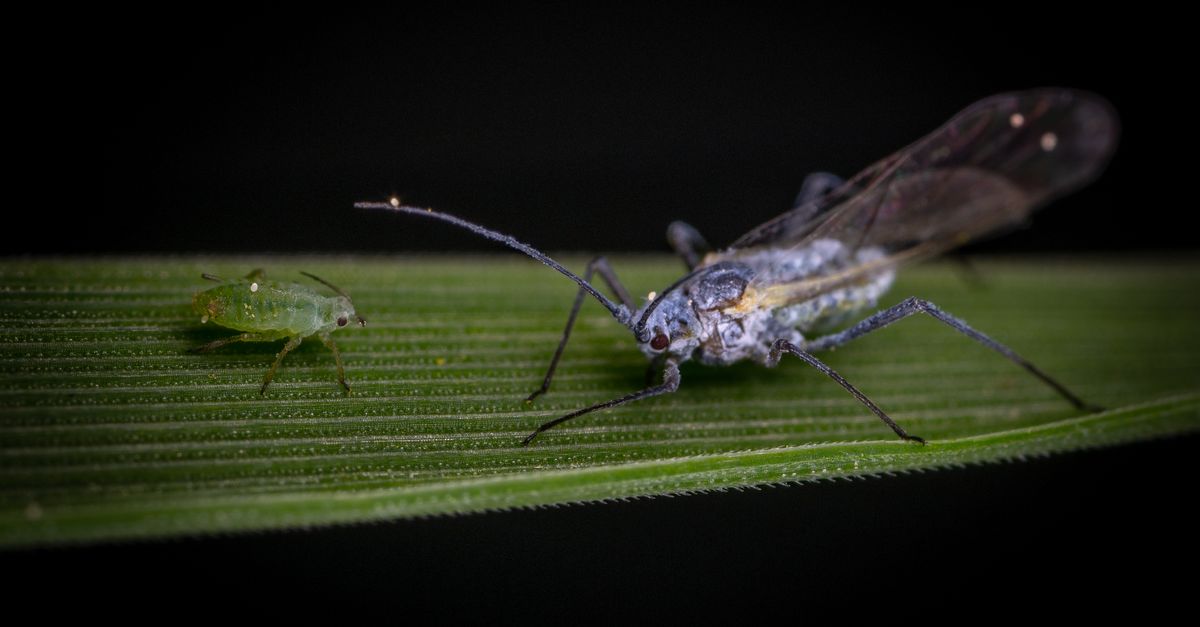
Thrips are tiny slender insects that rasp the leaf surface and suck the oozing sap, causing silvery white streaks and patches on leaves. In chilli they cause the leaves to curl upward into an inverted boat shape, the typical murda or leaf curl complex, with stunted bushy growth and falling of flowers. Tiny black specks of excreta are seen on damaged leaves. Thrips also transmit virus diseases like spotted wilt, adding to the damage.
Damage
Thrips, mainly Scirtothrips dorsalis in chilli, are a major cause of the murda or leaf curl complex that can cause yield losses of 30 to 90 percent in chilli, especially in dry warm weather. They damage both directly by sucking sap and indirectly by spreading virus. Severe attack at flowering causes heavy flower drop and poor fruit set. Because thrips are tiny, hide in curled leaves and flowers and breed fast, they are difficult to control once curling has set in.
Organic & cultural control
Use blue sticky traps at 10 to 12 per acre to monitor and trap thrips, as they are attracted to blue. Spray neem oil at 5 ml per litre or neem seed kernel extract at 5 percent which checks young thrips and slows curling. Verticillium lecanii and predatory mites help in protected cultivation. Maintain adequate soil moisture since thrips and the murda complex worsen in dry conditions, and apply mulch. Remove badly curled plants and weed hosts early to cut the thrips source.
Chemical control
When thrips cross the threshold, spray effective insecticides such as spinetoram 11.7 SC, fipronil 80 WG, spinosad 45 SC, fipronil 5 SC or cyantraniliprole, with good coverage of the leaf underside, growing points and flowers where thrips hide. Rotate insecticide groups every two sprays because thrips develop resistance fast and the murda complex is hard to control. Avoid repeated single product use. Always follow the product label dose, observe the pre harvest interval and consult your KVK or agronomist before spraying.
Always follow the product label, the recommended pre-harvest interval, and your local KVK or agronomist. Pesticide approvals change, so verify before use.
Prevention
Raise seedlings in insect proof nurseries and transplant healthy seedlings only. Grow tolerant varieties where available. Use blue sticky traps from early growth and scout the growing tips and flowers regularly. Maintain steady irrigation and mulch to avoid dry stress that favours thrips. Remove weed hosts on bunds, avoid excess nitrogen, and conserve natural enemies by avoiding unnecessary broad spectrum sprays. Avoid growing chilli continuously in the same field.
FAQs
What is murda or leaf curl in chilli and what causes it?
How do I know if it is thrips or mites curling my chilli leaves?
Why does murda get worse in dry weather?
Get advice from farmers on your crop problem
Ask the community