
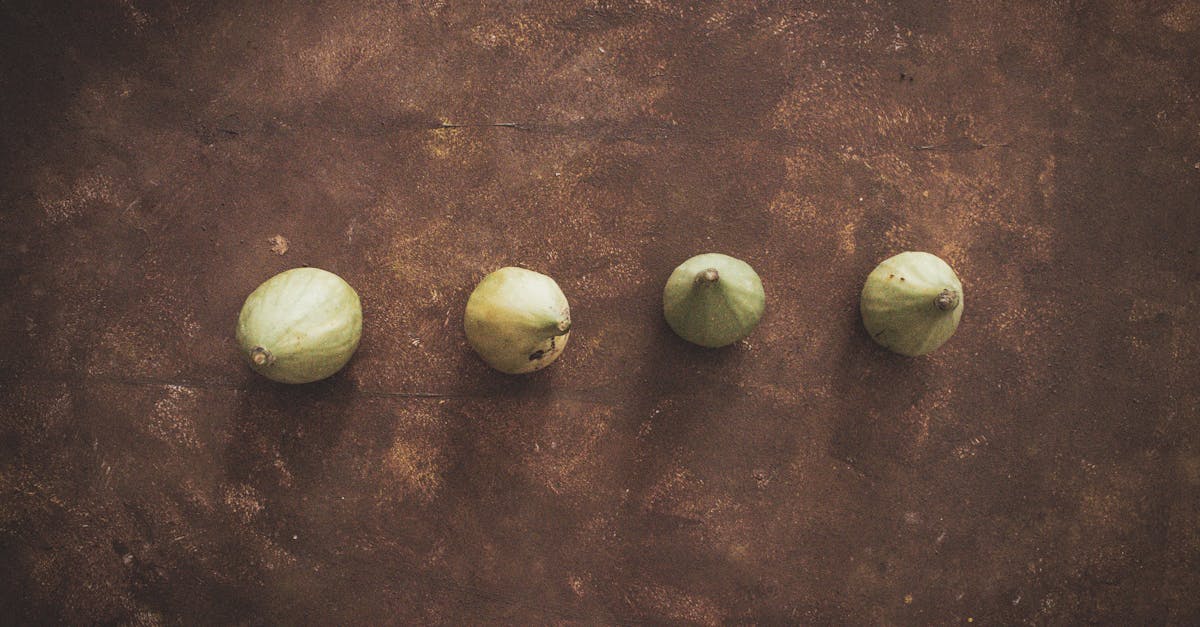
Fig (anjeer) is a real, established fruit crop in India, concentrated in Pune district of Maharashtra, where it grows on well-drained, light soils with well water and a dry ripening season. In the Purandar belt it is grown on roughly 600 hectares (about 1,500 acres) and gives around 4,300 tonnes of fresh fruit a year, which works out to an average of about 7 tonnes per hectare (about 2.9 tonnes per acre). What it takes is good drainage, drip water, careful annual pruning and a market near enough to take a very perishable fruit.
Almost all Indian fig is sold fresh. Making dried anjeer in India is a small, specialised business and no reliable Indian data was found for it, so this guide covers fresh fruit.
Where it grows in India
- Maharashtra: the Purandar GI application (2014) states Maharashtra has 2,242 ha, 77 percent of India's fig area, with Purandar, Saswad and Khedshivapur in Pune district leading. Purandar figs received a Geographical Indication in 2016 (Village Square, 2022).
- Elsewhere: Karnataka, Gujarat, Uttar Pradesh and Tamil Nadu have smaller plantings; no area figures were found for them.
- Conditions: fig tolerates heat and drought but commercial yield needs timely irrigation (GI application). Rain and humidity at ripening cause rotting, so the Purandar crops are timed to ripen in dry months. Light, well-drained soil is preferred; the recommended spacing is closer on light soils.
Varieties
Yield per tree from a Rahuri (MPKV) trial quoted in the Purandar GI application:
| Variety | Fruit weight per tree (kg) | Notes |
|---|---|---|
| Poona Fig | 44.7 | Main commercial variety around Purandar; mean fruit about 41 g |
| Dinkar | 37.5 | Selected improvement on Daulatabad; fruit about 37 g |
| Conadria | 37.4 | Also grown in Purandar |
| Deanna | 37.2 | Large golden fruit (high TSS reported) |
| Excel | 21.3 | Lower yield in this trial |
These are research-station figures from one site; MPKV's fig research station at Jadhavwadi, Pune, is the local source of plants and advice. Fig is a common-type fig that sets fruit without pollination, so no caprifig is needed for Poona.
Planting material and spacing
- Cuttings or air-layers are used; plant at the onset of the rains (GI application).
- Spacing: 5 x 5 m for Poona fig, which is 400 plants per hectare (about 162 per acre); 4.5 x 3 m on light soil, about 740 per hectare (about 300 per acre).
- Pits: 60 x 60 x 60 cm, left open to the sun for about 15 days, then filled with compost, topsoil and sand.
Nutrition and irrigation
The Purandar application gives this schedule per plant (manures in kg, nutrients in g). The potassium figure for older trees is hard to read in the scanned table, so confirm with MPKV.
| Plant age | FYM (kg) | Oil cake (kg) | N (g) | P (g) | K (g) |
|---|---|---|---|---|---|
| 1 to 2 years | 15 | 0.5 | 75 | 50 | 50 |
| 3 to 5 years | 25 | 1.0 to 1.5 | 150 | 100 | 100 |
| Above 5 years | 40 | 2.0 | 300 | 200 | about 200 to 240 |
Per hectare at 400 trees (about 162 per acre), a mature orchard at 300 g N per tree is 120 kg N/ha (about 49 kg per acre). Convert nutrient weights to fertiliser using the bag analysis; see fertilizers.
Irrigation (Purandar practice): every 8 to 10 days in October to November, 12 to 15 days in December to February, and every 7 to 10 days from March to May. Stop watering about a month before the fruiting period (bahar). Drip is recommended because it saves water and carries fertiliser. The GI application credits Purandar's salt-free well water for the sweet taste.
Pruning and crop timing
- Pruning is annual. In Purandar it is done in May for the khatta (sour) bahar and in August to September for the mitha (sweet) bahar.
- Khatta bahar: flowers in July to August in the rainy season. The fruit is less sweet and less attractive, mostly used for jelly, but sells because little other fruit is available.
- Mitha bahar: flowers March to May; better quality and better earnings. Harvest is mid-February to June.
- Fruit is ready 120 to 140 days after fruiting begins.
Pests and diseases
Fig rust (Cerotelium fici) and root-knot nematodes are the problems most often reported for fig in India; rust causes leaf fall and poor fruit. Removing fallen leaves, good drainage and timely irrigation help. For fungicides or nematode control follow the label and your local KVK, because fruit is eaten fresh. See also pests. NIPHM publishes a fig IPM package; specific doses are not cited here.
Harvest and yield
- Pick when fully mature, soft and slightly wilted at the neck, by twisting or cutting the stalk. Grade as 50 g, 40 to 50 g and 30 to 40 g (GI application).
- Realistic average: about 2.9 t per acre across Purandar (4,300 t on 600 ha, 2022). Good orchards do better: the Rahuri trial gives 37 to 45 kg per tree for the top varieties, which is 6 to 7 t per acre at 162 trees. The GI application claims 60 to 70 kg per tree for Purandar fig, an applicant claim that is not verified.
- Fresh figs are highly perishable and lose quality within hours of picking (Village Square).
Cost and returns
No verified current farm-gate price or cost-of-cultivation study for Indian fig was found, so the arithmetic is shown for you to fill in:
- Gross per acre = tonnes per acre x price per kg x 1,000. At the district average of 2.9 t per acre, every ₹10/kg of price is about ₹29,000 per acre; at 6 t per acre it is ₹60,000.
- Deduct manure and fertiliser, drip, labour for pruning and picking (which is heavy over a long harvest), packing and transport.
- Fruit starts within a few years but yield keeps rising with tree age, and no verified age-wise yield schedule was found. Ask a Purandar grower for actual weighed harvests and sale slips for your variety.
Market and selling
- Fresh fruit goes to Pune and Mumbai markets and to e-commerce sellers. The Purandar Highlands FPC (260-odd members from six villages, 2022) sends fresh figs to seven Indian states and made its first export shipments to Hamburg and Rotterdam in July 2022, using modified packaging that extends freshness to about 21 days.
- Value addition (fig spreads, jams) is possible through an FPO; see FPO and export buyers.
- Price depends on the bahar, grade, and gluts in the sweet season. A small orchard far from a city market has a harder time because the fruit cannot travel far unpacked.