
Potato Late Blight Control
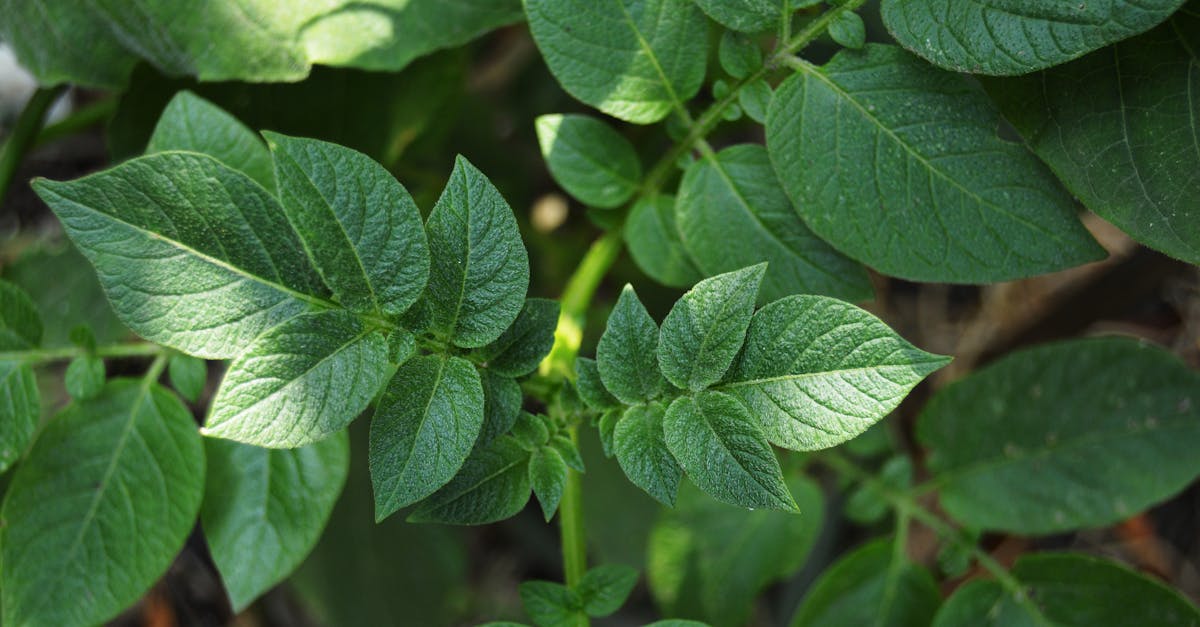
Symptoms
Small, pale to dark green water soaked spots appear on the leaf tips and margins, quickly enlarging into brown to black blighted patches. In cool humid weather a white downy fungal ring shows on the underside of the spots, especially in the morning. Stems develop dark brown streaks, and the whole foliage can blacken, rot and collapse with a foul smell. On tubers, reddish brown firm dry rot spreads from the skin inward.
Damage
Potato late blight, caused by Phytophthora infestans, is the most devastating disease of potato in India and can destroy an entire crop within a week to ten days in cool cloudy humid weather. It causes both heavy foliage loss and tuber rot, and infected tubers rot in storage. Losses can be total if protective sprays are not applied before the disease arrives. The disease is favoured by temperatures of 10 to 20 degrees with high humidity, fog and light rain, common in the main potato season.
Organic & cultural control
Use healthy certified disease free seed tubers and resistant varieties where available. Plant on well formed ridges with good earthing up so spores do not reach the tubers, and ensure good drainage. Avoid dense planting and evening irrigation. Watch weather warnings closely and remove the first infected plants. Copper based bio fungicides give some protection if applied before the disease starts. Dehaulming, that is cutting and removing the haulm before harvest when blight is severe, protects the tubers.
Chemical control
Begin protective sprays of mancozeb 75 WP or chlorothalonil at canopy closure or when cool humid weather is forecast, before the disease appears. Once late blight is seen, use systemic combinations such as cymoxanil plus mancozeb, dimethomorph plus mancozeb, mandipropamid, or ametoctradin plus dimethomorph, and repeat at short intervals during risk weather. Do not rely on metalaxyl alone due to resistance. Alternate fungicide groups, follow the product label dose, observe the pre harvest interval and consult your KVK or agronomist before spraying.
Always follow the product label, the recommended pre-harvest interval, and your local KVK or agronomist. Pesticide approvals change, so verify before use.
Prevention
Plant only certified disease free seed tubers of resistant or tolerant varieties at the recommended time. Do not grow potato near tomato as both share the same disease. Use proper ridge planting with good earthing up and drainage. Follow weather based forecasts and start protective sprays before the high risk period. Remove and destroy infected plants and cull tubers, never leave cull piles near fields, and at harvest avoid bruising tubers and let them dry before storage to prevent rot.
FAQs
When should I start spraying to protect my potato from late blight?
What is dehaulming and how does it protect potato tubers?
Why do my stored potatoes rot after a late blight season?
Get advice from farmers on your crop problem
Ask the community