
Bacterial Blight Control
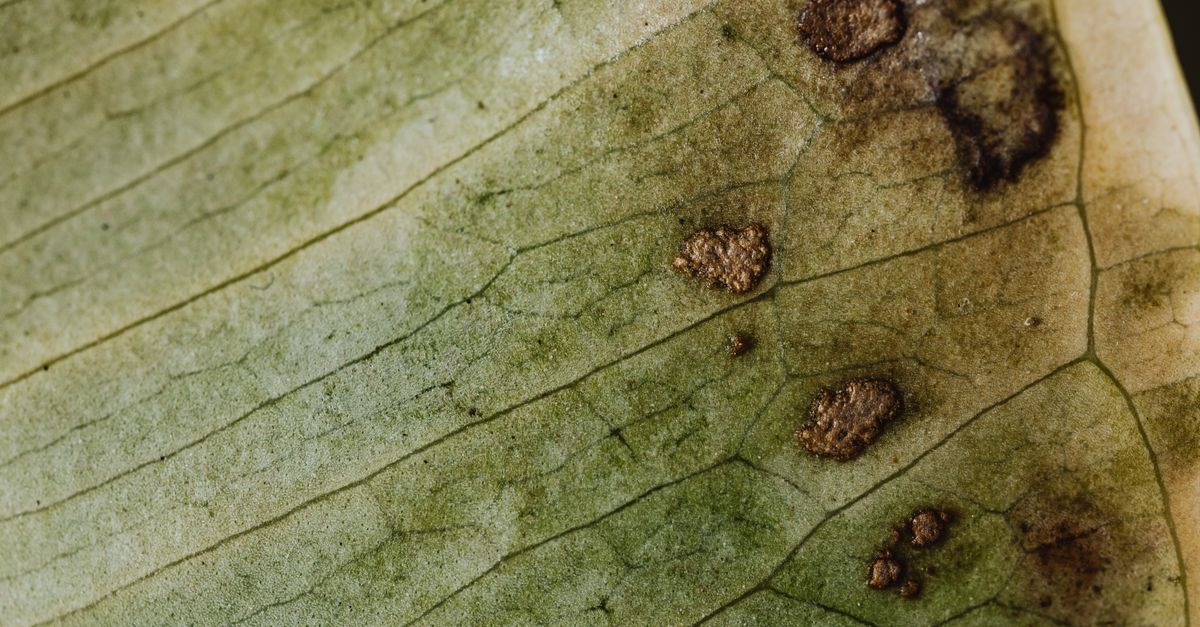
Symptoms
Look for small water soaked angular spots on leaves that are bounded by veins and later turn brown to black. Spots along veins cause blackarm on stems and petioles, and infected bolls show round sunken black spots with rotting that stains the lint. Severe attack causes leaf blight, defoliation and boll rot.
Damage
Bacterial blight (caused by Xanthomonas) is a seed and residue borne disease that spreads in warm humid weather and through rain splash. It reduces leaf area, kills tissue along veins, and rots bolls, lowering yield and staining the lint. Loss is severe in susceptible varieties under wet conditions.
Organic & cultural control
Use certified disease free seed and grow resistant or tolerant varieties. Treat seed with hot water or recommended bio agents like Pseudomonas fluorescens. Remove and destroy infected crop residue and volunteer plants. Avoid working in wet fields to limit spread, follow crop rotation, and maintain balanced nutrition to keep plants vigorous.
Chemical control
Acid delinting and seed treatment help reduce seed borne bacteria. Recommended copper based bactericides or copper oxychloride combined with streptocycline can be sprayed as advised for foliar protection in disease prone areas. Always read and follow the product label, observe the pre-harvest interval, and consult your KVK or a qualified agronomist before spraying.
Always follow the product label, the recommended pre-harvest interval, and your local KVK or agronomist. Pesticide approvals change, so verify before use.
Prevention
Start with certified, acid delinted, treated seed of resistant varieties. Practice crop rotation and destroy infected residue after harvest to cut the carryover source. Avoid overhead irrigation and working in wet fields, maintain balanced nutrition, and ensure good drainage and spacing for air movement that keeps foliage dry.
FAQs
How does bacterial blight enter my cotton field?
What is blackarm in cotton?
Why should I avoid working in wet cotton fields?
Get advice from farmers on your crop problem
Ask the community