
Thrips Control
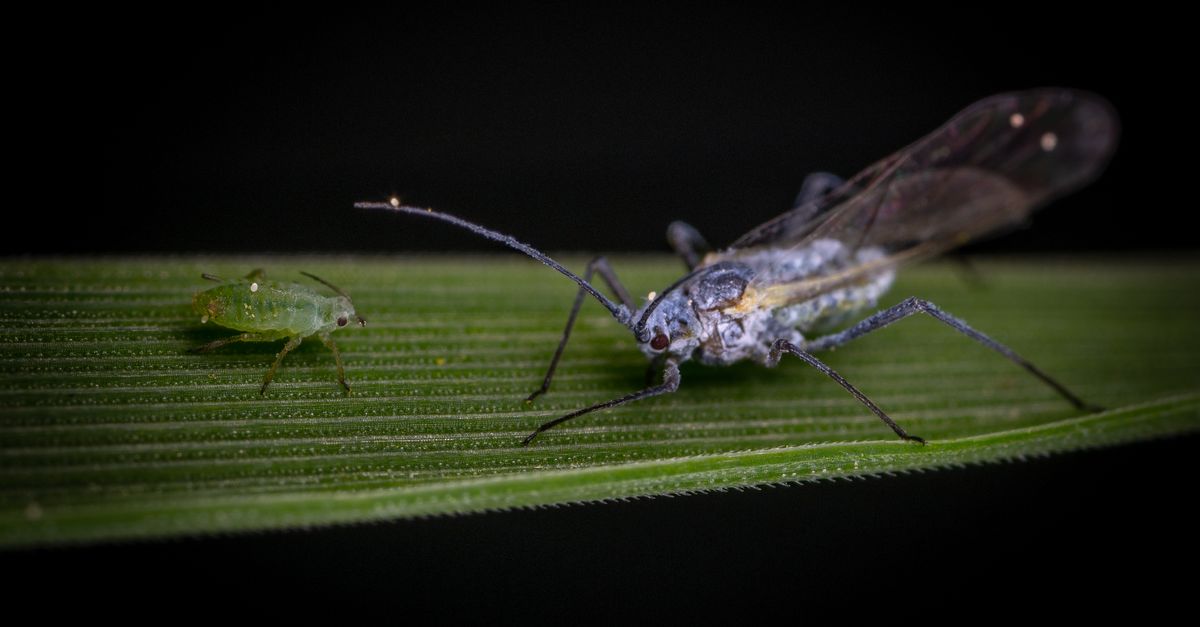
Symptoms
Look for tiny slender yellow to brown insects on young leaves and growing points, best seen by tapping a leaf over white paper. Affected leaves show silvery streaks and a curled, puckered or crinkled look, with brown scars. Severely attacked seedlings become stunted with deformed top leaves.
Damage
Thrips rasp the leaf surface and suck the oozing sap, causing silvery patches and curling that reduce photosynthesis. They are most damaging at the seedling and early vegetative stage, when heavy attack stunts plants and delays growth. Affected squares may also shed, lowering boll numbers.
Organic & cultural control
Install blue sticky traps at 10 to 12 per hectare, as thrips are attracted to blue. Spray neem oil 5 ml per litre or neem seed kernel extract 5 percent. Use entomopathogenic fungi like Beauveria bassiana or Verticillium lecanii. Conserve predatory mites, anthocorid bugs and Chrysoperla, and keep the field moist as thrips thrive in dry conditions.
Chemical control
Seed treatment with a systemic insecticide protects seedlings from early thrips. For later infestation crossing the threshold, recommended actives such as fipronil, spinosad, acetamiprid or thiamethoxam can be used in rotation. Always read and follow the product label, observe the pre-harvest interval, and consult your KVK or a qualified agronomist before spraying.
Always follow the product label, the recommended pre-harvest interval, and your local KVK or agronomist. Pesticide approvals change, so verify before use.
Prevention
Treat seed with a systemic insecticide for early protection and sow on time. Avoid long dry spells by ensuring adequate moisture, since thrips build up fast in dry weather. Keep fields weed free, monitor seedlings with blue sticky traps, and protect natural enemies by spraying only when needed.
FAQs
How do I confirm thrips on my cotton?
Why are thrips worse in dry weather?
Which sticky trap colour works for thrips?
Get advice from farmers on your crop problem
Ask the community